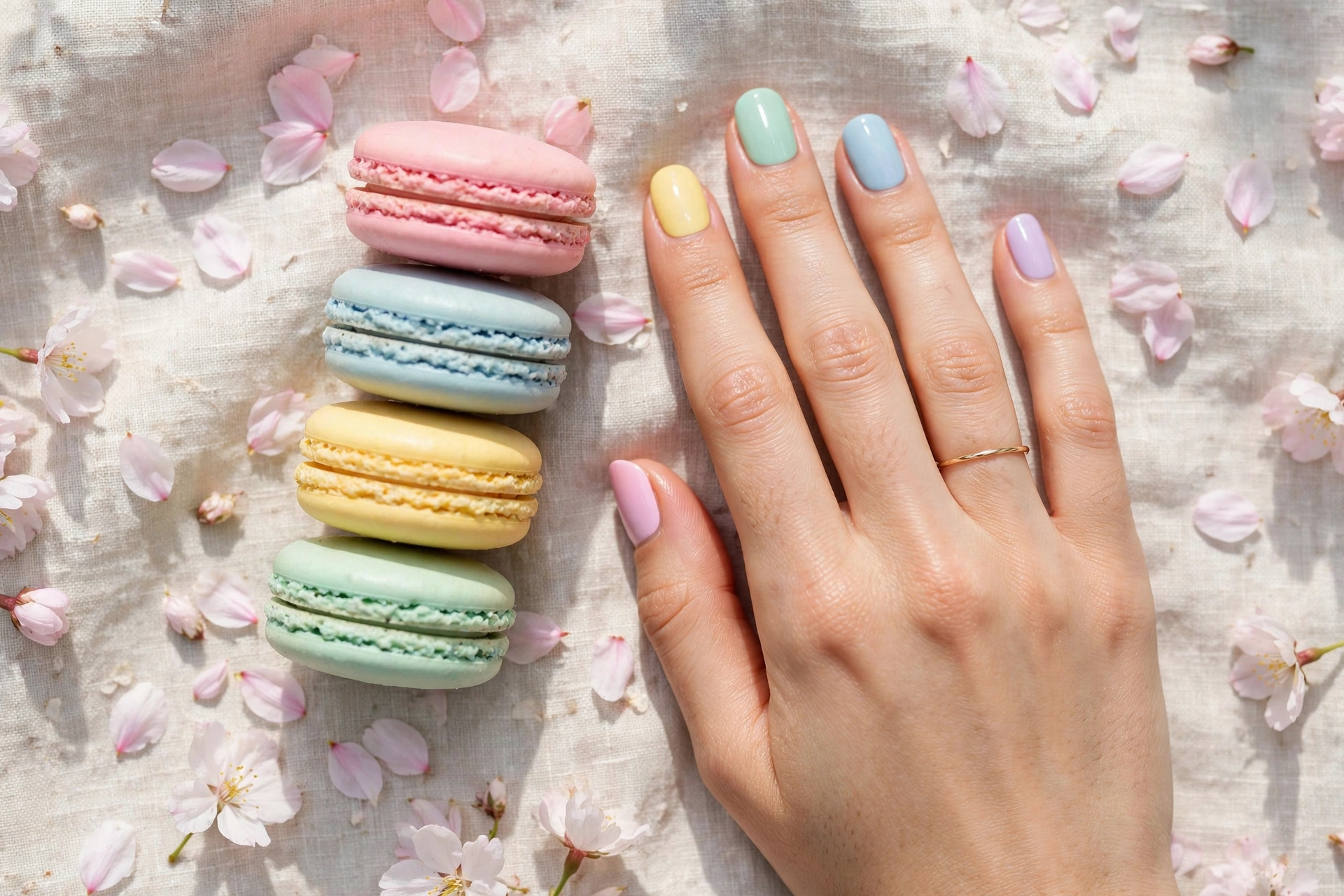
20 Pastel Nail Designs for Soft Color Lovers
Pastel nails are manicures painted in soft, lightened versions of classic colors: baby pink, butter yellow, lilac, mint, and sky blue. They work because the whitened pigment flatters every skin tone and reads as polished without being loud, which makes pastel nails one of the most wearable nail trends you can choose.
If you are browsing for pastel nail designs, you have probably noticed that most galleries show the same few looks: a pink solid, a rainbow set, a French tip. This guide goes further. Below you will find 20 distinct pastel nail ideas organized by how the color is actually composed on the nail, from one-coat creams to full nail art, with honest notes on difficulty, wearability, and which shapes each design suits best.
Which pastel nail style fits you?
Pick your approach first, then browse the ideas inside it. Each of the four groups below suits a different skill level and mood.
| Approach | What it is | Difficulty | Best for |
|---|---|---|---|
| Solid Pastel Creams | One pastel shade on all ten nails | Beginner | Office-safe looks and first-time DIY |
| Pastel Skittles | A different pastel on each nail, or a shade family across the hand | Beginner to easy | Wearing more color without any nail art |
| Pastel French & Ombré | Pastel tips, half-moons, and blended fades | Easy to intermediate | Elegant, longer-looking nails |
| Pastel Nail Art & Motifs | Florals, swirls, dots, and patterns in pastel tones | Intermediate to salon | Statement sets and special occasions |
Pastel, milky, or glazed? Choosing your finish
Before you pick a color, pick a finish. The same baby pink looks like three different manicures depending on how it is layered, and most pastel guides never separate the options. Here is the honest difference.
| Finish | What it is | Best for | Watch out for |
|---|---|---|---|
| Classic pastel crème | Opaque soft color, two to three coats, glossy top coat | The fullest color payoff; every design in this guide | Streaks if coats are rushed; needs a smoothing base |
| Milky pastel | Sheer pastel color suspended in a translucent white base, so your natural nail glows through | The softest, most forgiving look; office and wedding-safe; hides regrowth best | Less color impact; deep shades are not available in this finish |
| Glazed pastel (chrome) | Pastel color sealed under a fine pearl chrome powder for a lit-from-within sheen | Photos, parties, and making a simple solid look expensive | Gel only, so it is a salon finish; chrome shows every ridge, so nail prep matters |
| Matte pastel | Any pastel under a matte top coat, velvety with no shine | Muted, dusty shades and a modern editorial feel | Shows oils and scuffs fastest; pale mattes can look chalky on deep skin |
Not sure? Choose crème for color, milky for subtlety, glazed for glow. Our milky nail designs guide goes deeper on the sheer version if that is your finish.
Solid Pastel Creams
Solid pastel creams are the simplest pastel nails: one soft shade across all ten nails. They are the fastest route to the look, they chip less visibly than nail art, and they suit every nail length.
1. Baby Pink Crème
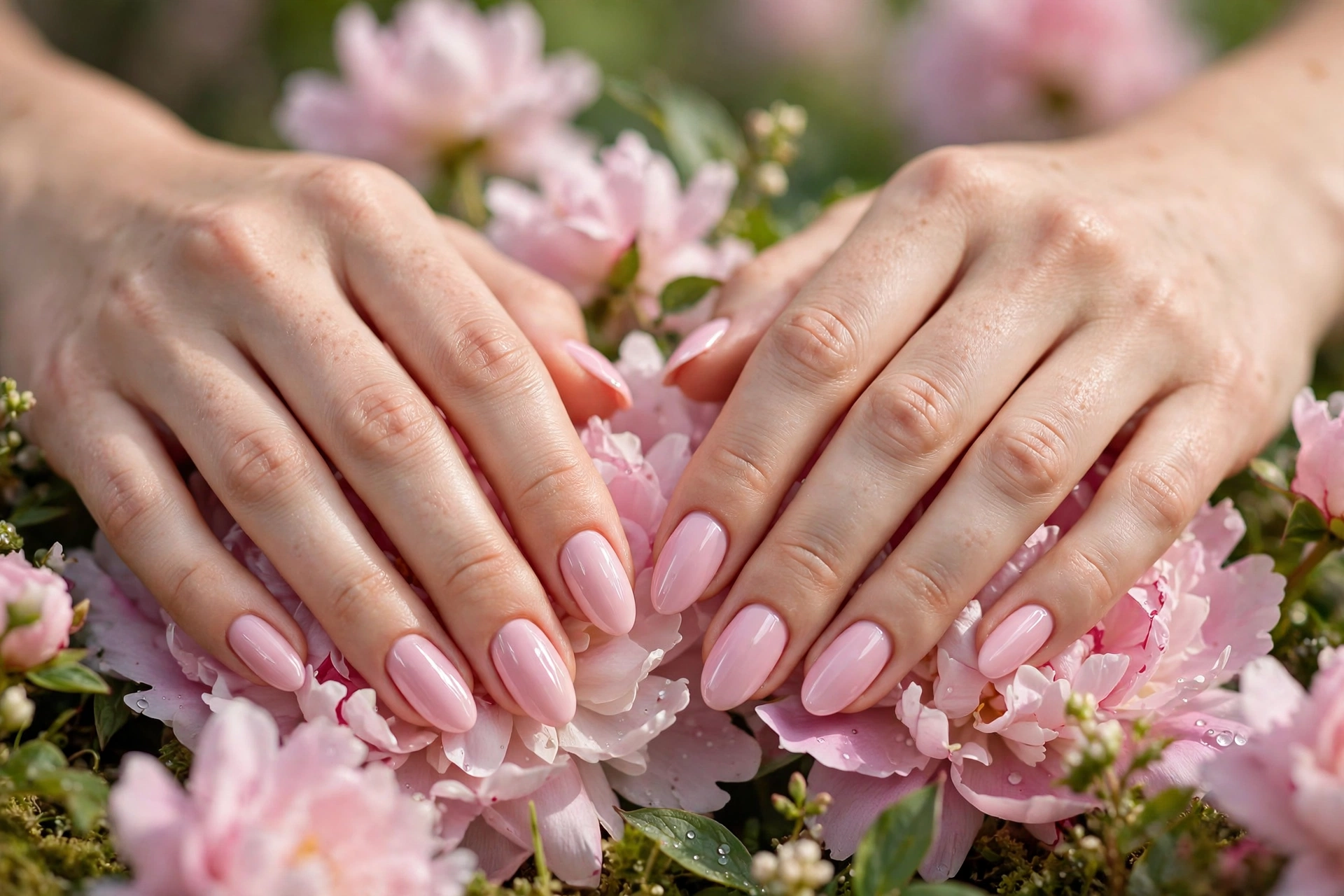
Baby pink creme is the most requested pastel nail color in salons, and for good reason. A single glossy coat of pale pink makes hands look neat and groomed with zero design work, and the shade flatters both fair and deep skin tones because the pink undertone warms up against any complexion.
Wear it on short to medium almond or oval nails for the softest effect. Pastel pinks are usually sheer on the first coat, so plan on two to three thin coats rather than one thick one. This is the easiest DIY pastel nail design in this guide: if you can paint a solid, you can wear this.
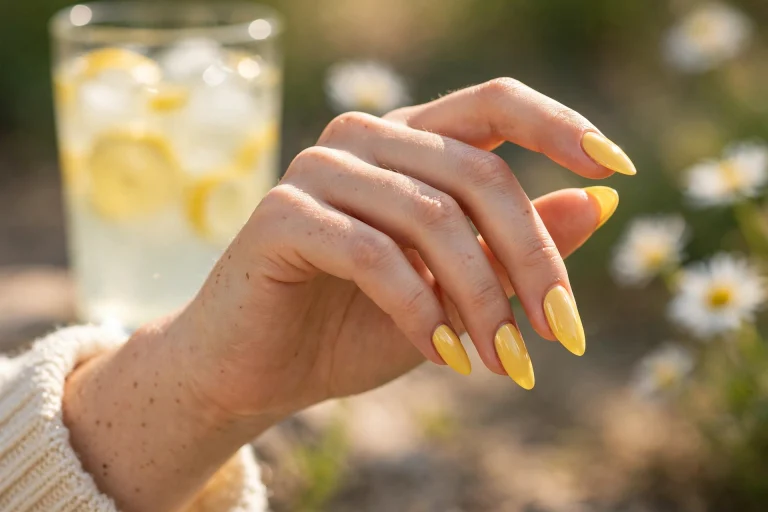
2. Butter Yellow Crème
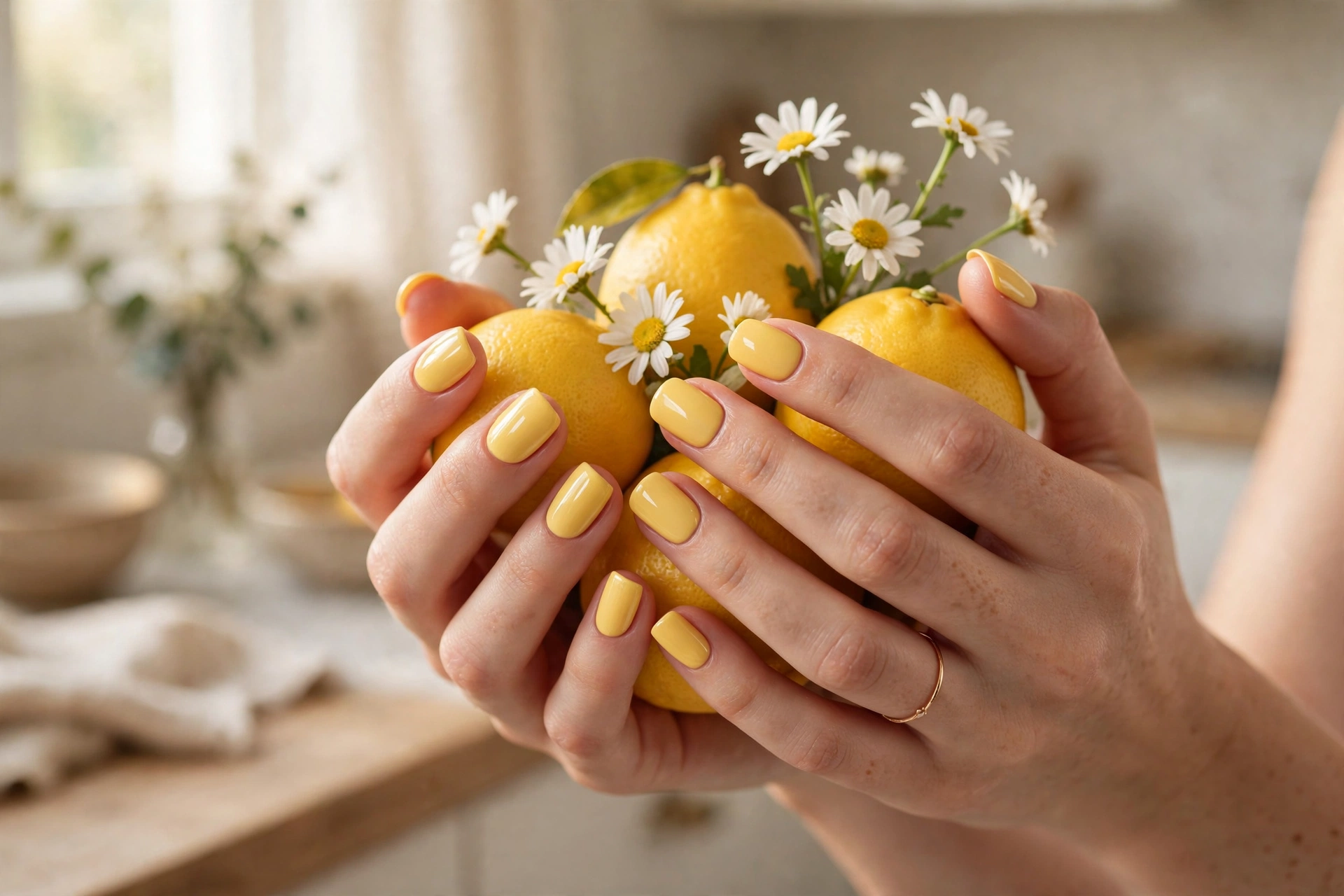
Butter yellow creme is the pastel shade having its biggest moment right now. This creamy, pale yellow reads cheerful rather than neon, and it pairs beautifully with gold jewelry and warm neutral outfits.
It suits medium skin tones especially well, where the warm yellow picks up golden undertones. On very fair skin it can look striking, so keep nails short to medium and the finish glossy to keep it soft. Like most pastels, yellow needs a white or ridge-filling base coat to stop it looking streaky. If you love this shade family, our green nail designs guide includes more spring-ready creams in the same spirit.
3. Lilac Crème
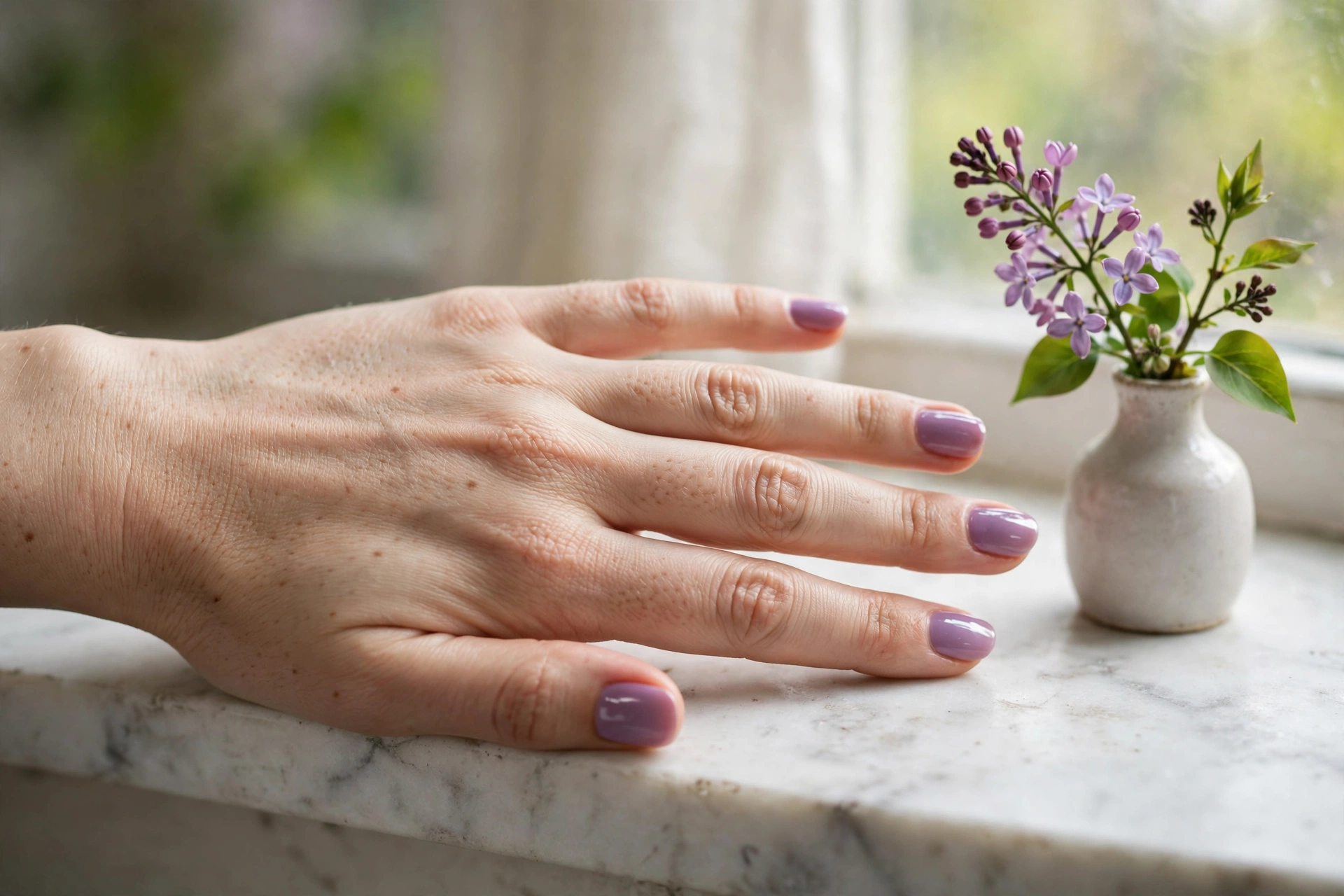
Lilac creme is a cool-toned pastel purple that looks elegant on longer nails. It is the pastel most often chosen for weddings and formal events because it reads as both colorful and neutral at once.
This shade is kind to deeper skin tones, where the contrast makes the color glow. On oval or almond shapes it lengthens the finger visually. Lilac polishes tend to have good coverage, often needing only two coats. See our purple nail designs for deeper violet options when you want the same mood with more drama.
4. Mint Green Crème
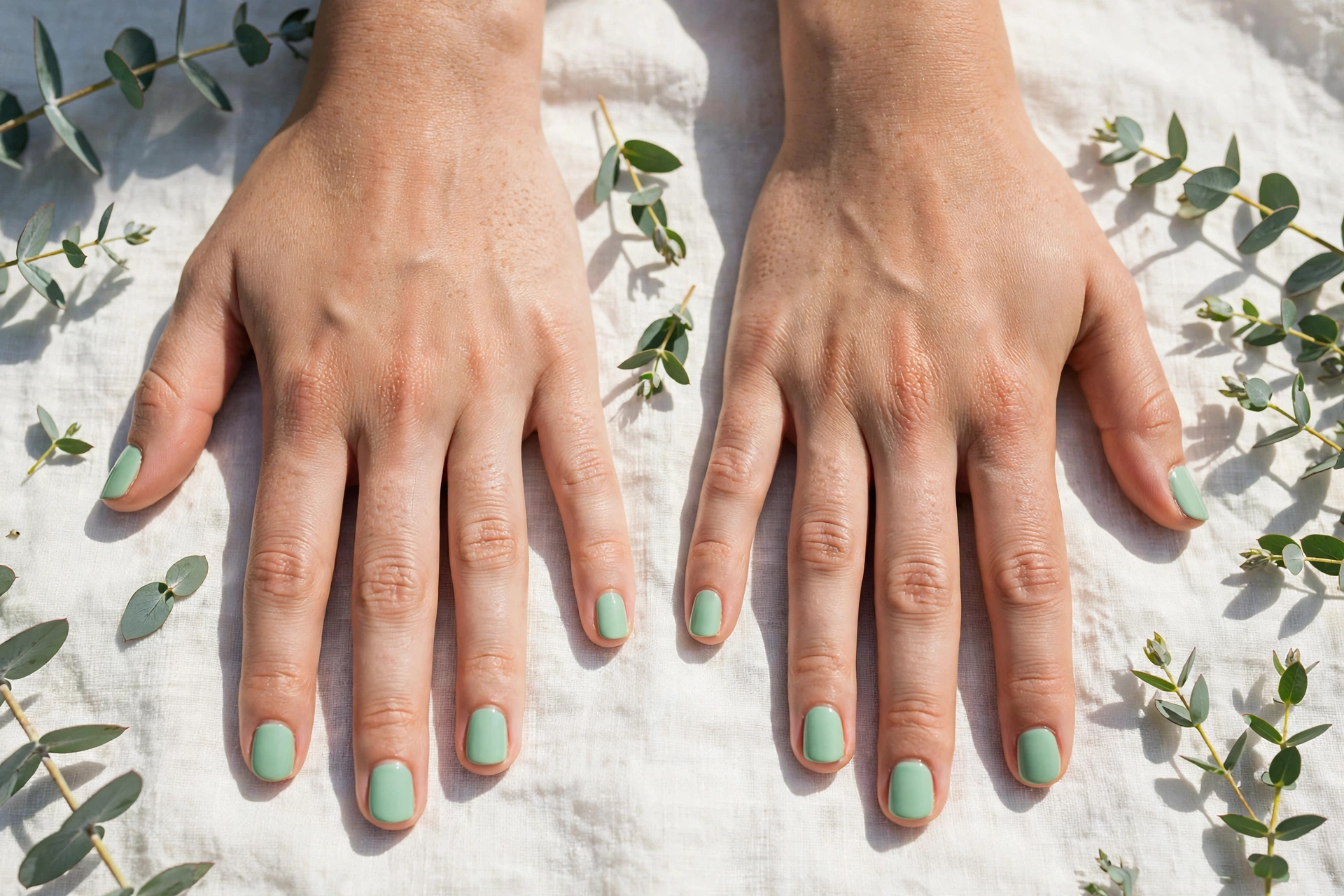
Mint green creme is a fresh, clean pastel that works year-round, not just in spring. It looks crisp against denim and white clothing, and it is one of the few pastels that reads equally well on short, practical nails.
Keep this one on short round or squoval nails for a modern feel; on very long nails mint can look retro in a way you may not want. Mint is a forgiving DIY shade because chips are less obvious on pale green than on pink. Fair skin with cool undertones wears it best, but it is wearable on everyone.
5. Baby Blue Crème
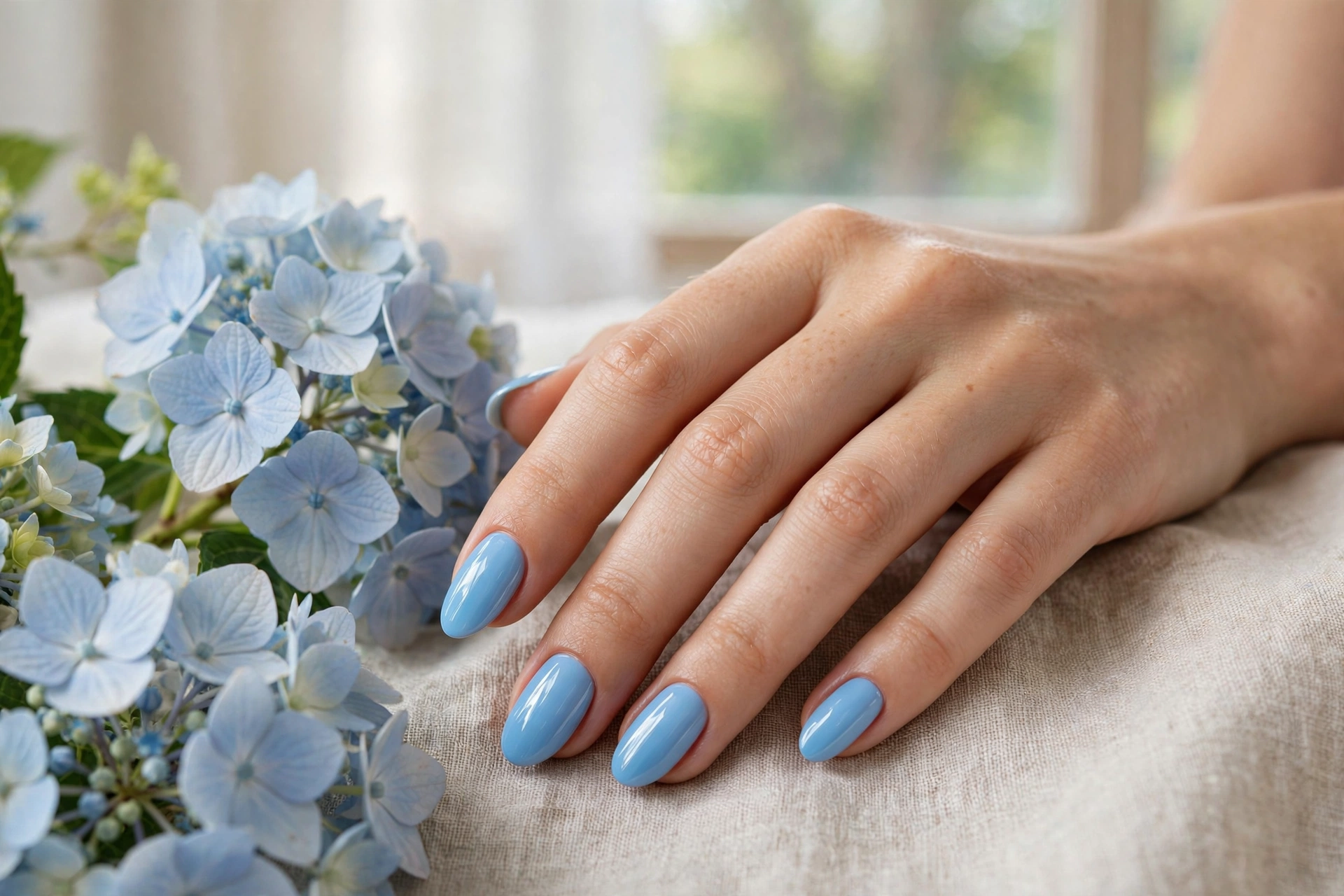
Baby blue creme is the coolest pastel in this group, a pale sky tone that makes an elegant alternative to white polish. It suits almond and coffin shapes, where the length shows off the icy color.
This shade can make fair skin look slightly washed out if worn matte, so choose a glossy finish to keep it lively. On medium and deep skin tones, baby blue pops beautifully. For the full shade family, from powder blue to cobalt, browse our blue nail designs.
Pastel Skittles
Pastel skittles are manicures where each nail wears a different pastel, or where one shade family runs across the hand. They give you five colors in one set with no nail art skills required.
6. Rainbow Pastel Skittle
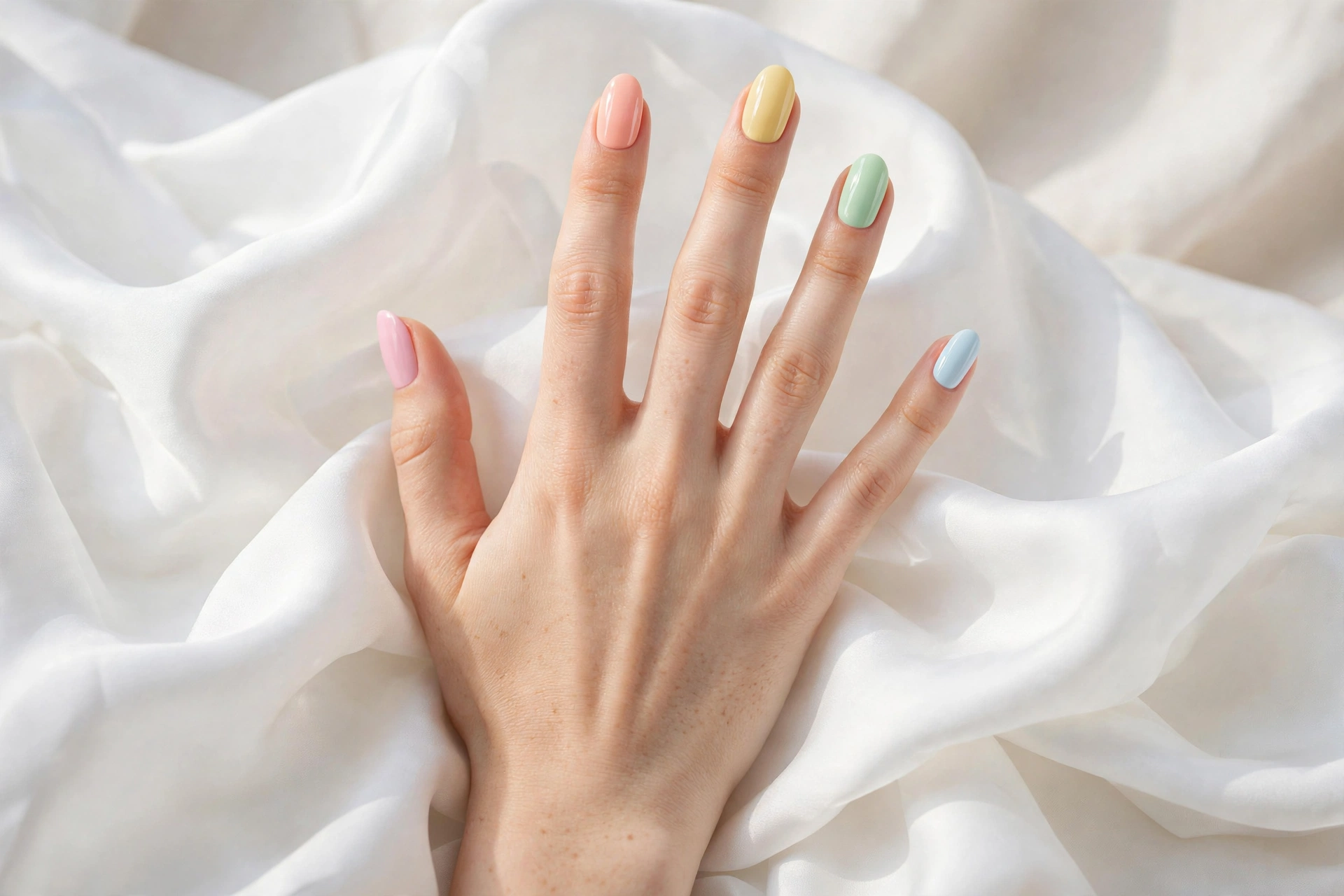
A rainbow pastel skittle puts a different soft shade on each nail, usually pink, peach, yellow, mint, and blue. It is the most playful pastel nail design and needs no artistic skill at all: you just paint each nail a different color from your collection.
The trick to making it look intentional rather than random is order. Arrange the shades in rainbow sequence from thumb to pinky, and keep the finish identical across all nails. This works on any length and shape, and it is the fastest way to use up a pastel polish collection.
7. Peach Ombré Skittle
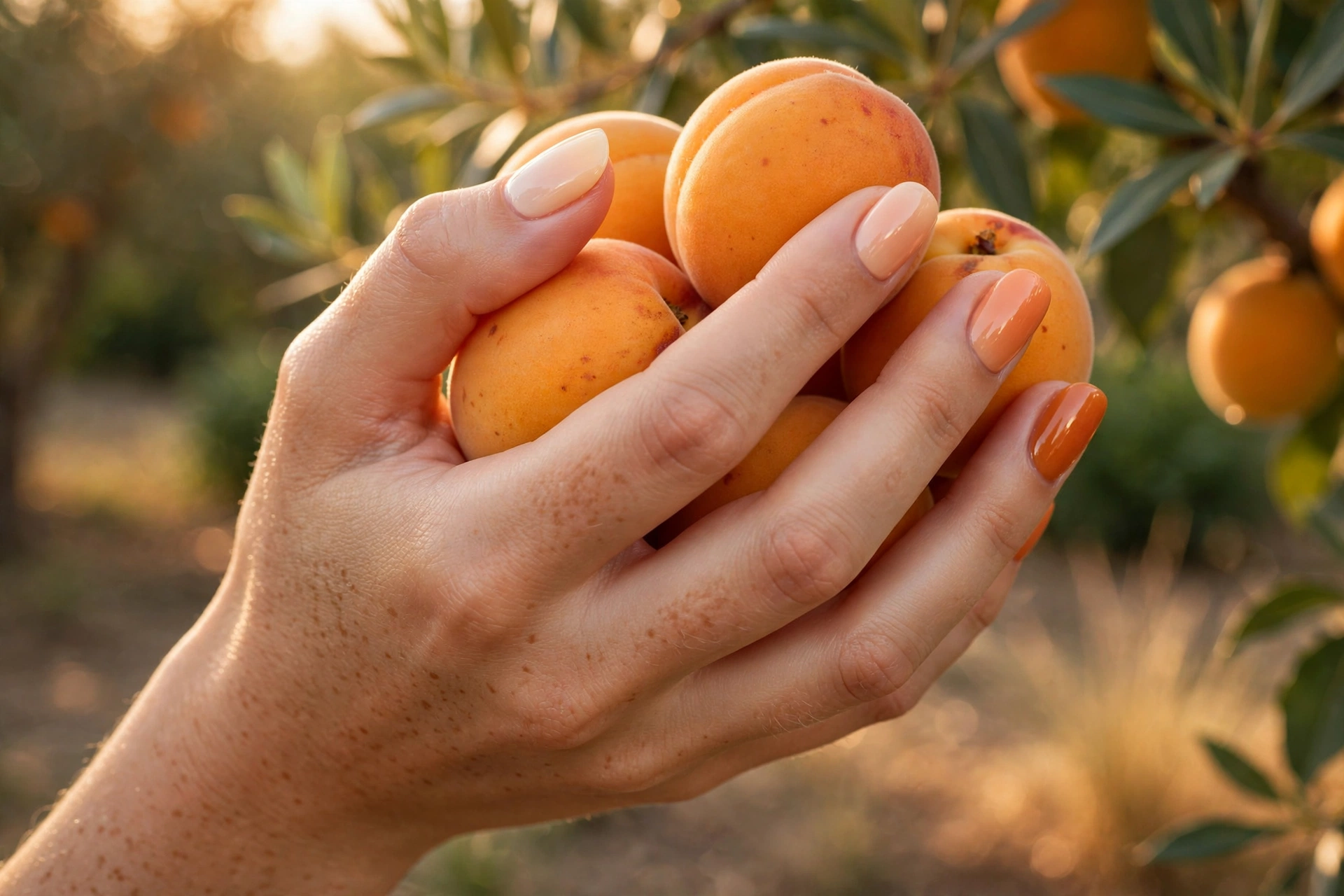
A peach ombre skittle fades one color family from pale to deep across the five nails: cream, blush peach, peach, coral peach, and deep apricot. It looks like a gradient without any blending technique.
This is the most elegant skittle because the colors are related, so it reads as sophisticated rather than busy. It suits warm and neutral skin tones best, and it looks expensive on medium almond nails. You will need five related shades, but most brands sell peach families as sets.
8. Pink and Blue Mismatch
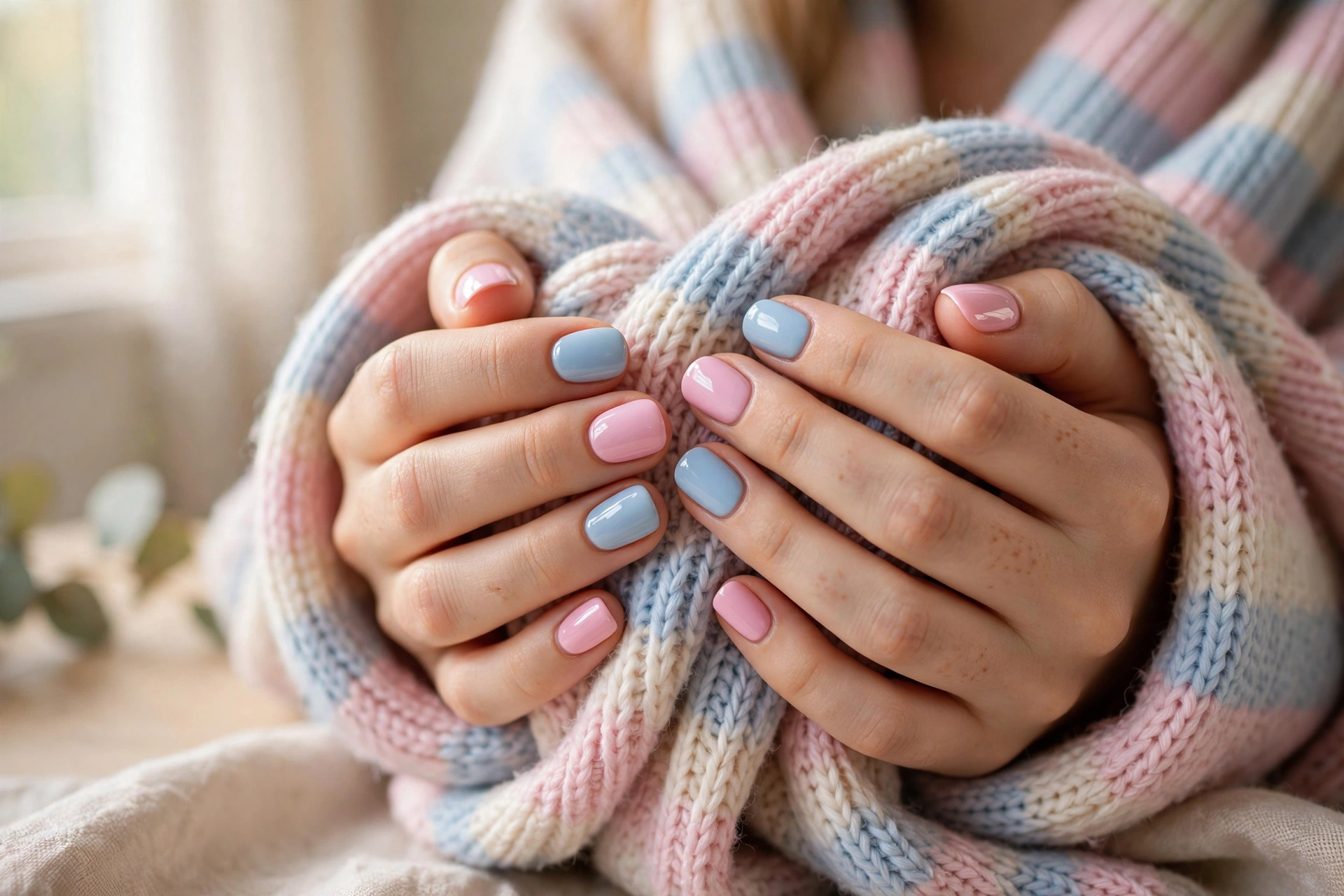
Pink and blue mismatch alternates the two most classic pastels across the hand. It is a simple two-color skittle with a fun, youthful feel that still looks neat because the pairing is so familiar.
Alternate strictly (pink, blue, pink, blue, pink) or split it: one hand pink-dominant, the other blue-dominant. This is an easy beginner DIY that looks good on short nails, and it is a sweet option for spring events or baby showers.
9. Sunset Pastel Blend
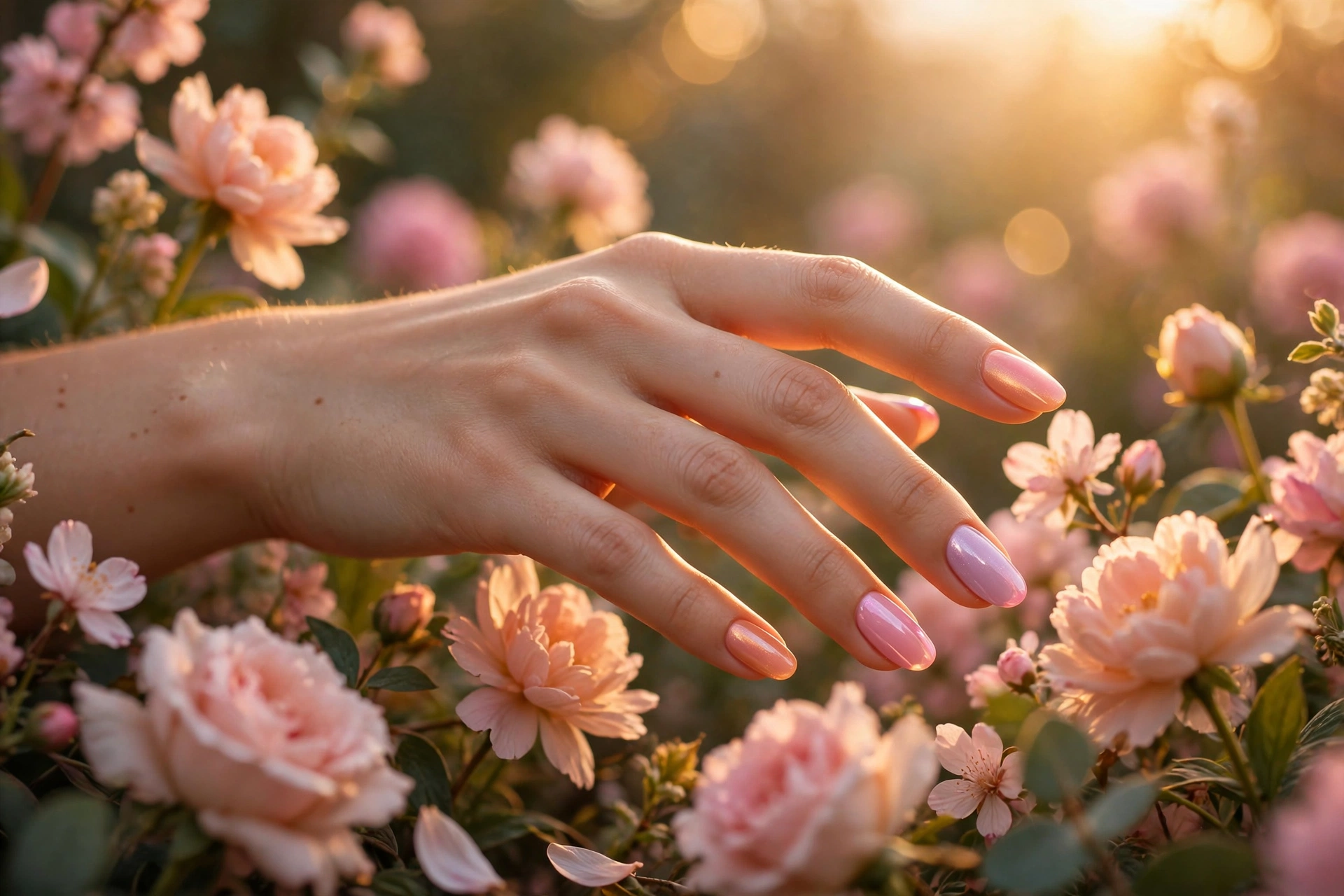
Sunset pastel blend mixes warm pastels, pink, lilac, and peach, in a dreamy, romantic combination. Unlike the rainbow skittle, this one stays inside warm tones, so it feels cohesive and soft.
It flatters warm and deep skin tones especially, and it is a lovely choice for evening events where you want color without brightness. Keep all ten nails in the same three-shade rotation for a balanced look. A glossy top coat is essential here; matte finishes dull the sunset effect.
10. Pastel and Nude Mix
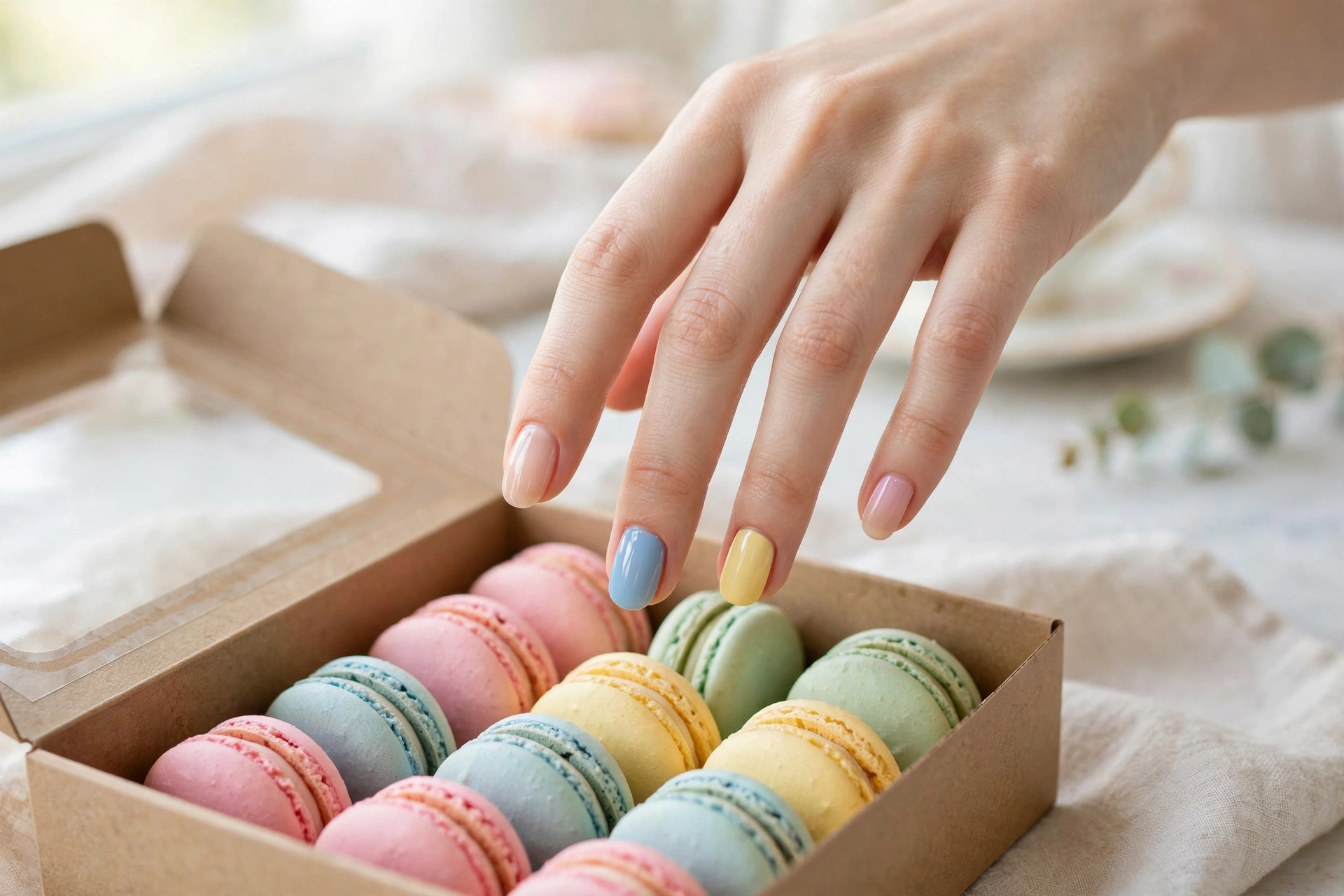
Pastel and nude mix keeps most nails in a sheer nude and adds pastel accents on two or three nails per hand. It is the most office-friendly way to wear multiple pastels.
This design works because the nude nails act as breathing room, so the pastels pop without overwhelming. Choose a nude close to your skin tone and pastels in the same finish. It is ideal for short nails and conservative workplaces, and it is easy to maintain since regrowth shows less on the nude nails.
Pastel French & Ombré
Pastel French and ombre designs put soft color at the tips, cuticles, or blended across the nail. These designs make nails look longer and more refined than solid color, and they grow out gracefully.
11. Pastel French Tips
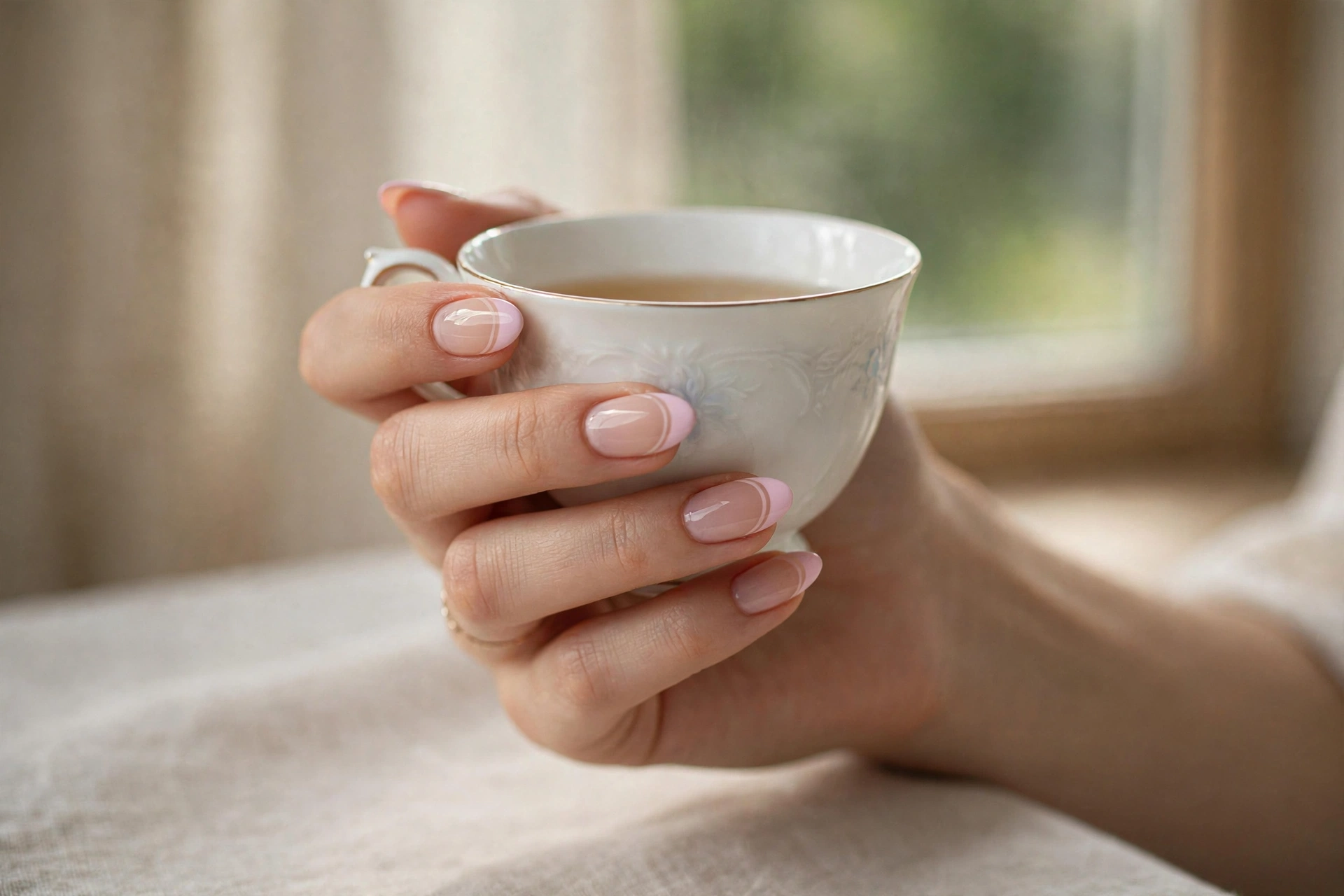
Pastel French tips swap the classic white tip for a soft pastel, most often baby pink, lilac, or blue, over a sheer nude base. It keeps the elegance of a French manicure while adding a whisper of color.
This is the most versatile pastel nail design for work and weddings. Ask your tech for a thin smile line on medium almond or square nails; thick pastel tips can look heavy. DIY is doable with French tip guides, and the forgiving pastel color hides small wobbles better than white does.
12. Reverse Pastel French
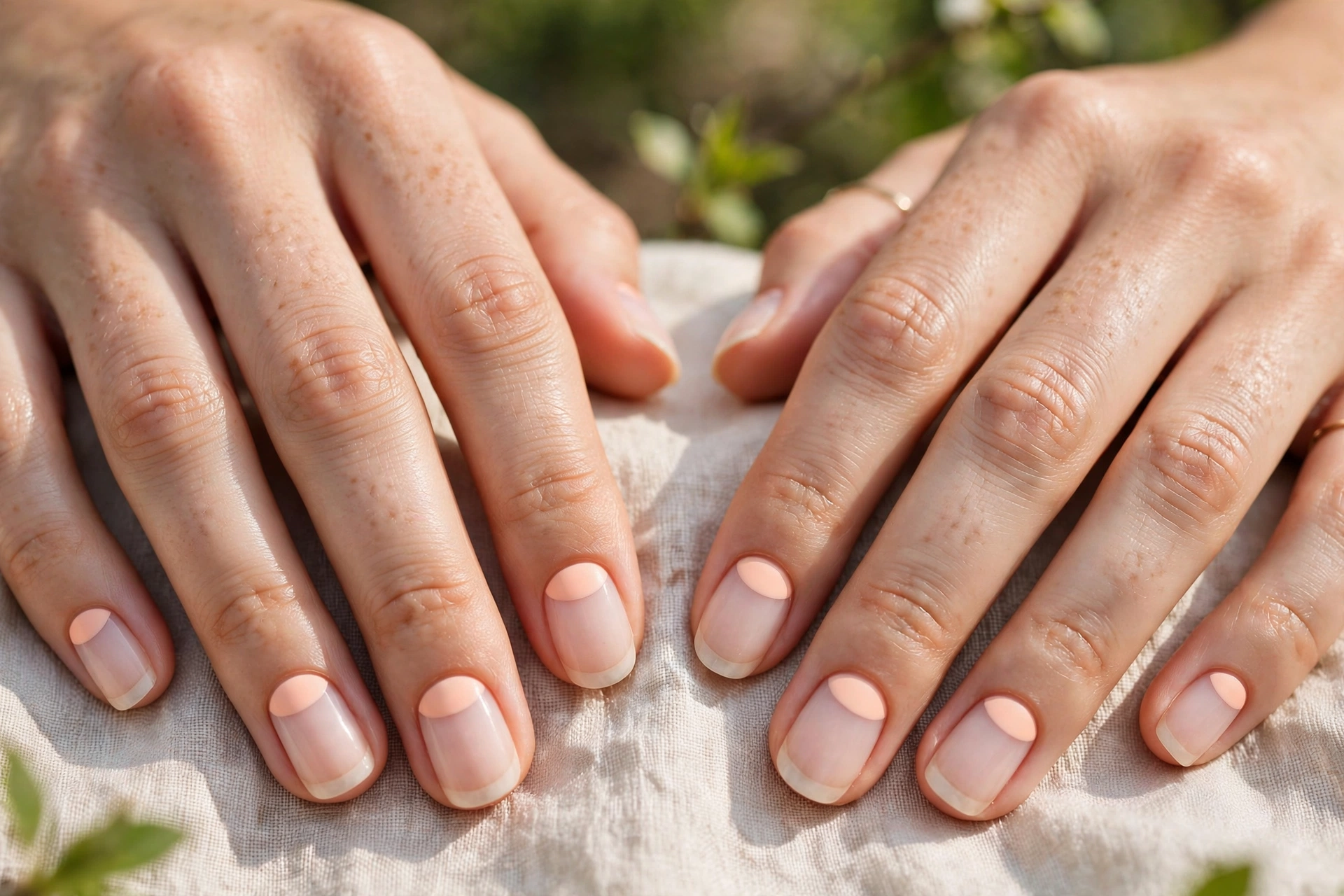
Reverse pastel French paints the half-moon at the cuticle in pastel, usually peach, pink, or mint, leaving the rest of the nail nude or sheer. It is a subtle, editorial twist on the classic French.
This design suits short nails well because the cuticle accent does not need length to show. Use a small dotting tool or the corner of a brush to shape the half-moon. It grows out invisibly, which makes it one of the lowest-maintenance pastel designs here.
13. Pastel Ombré Fade
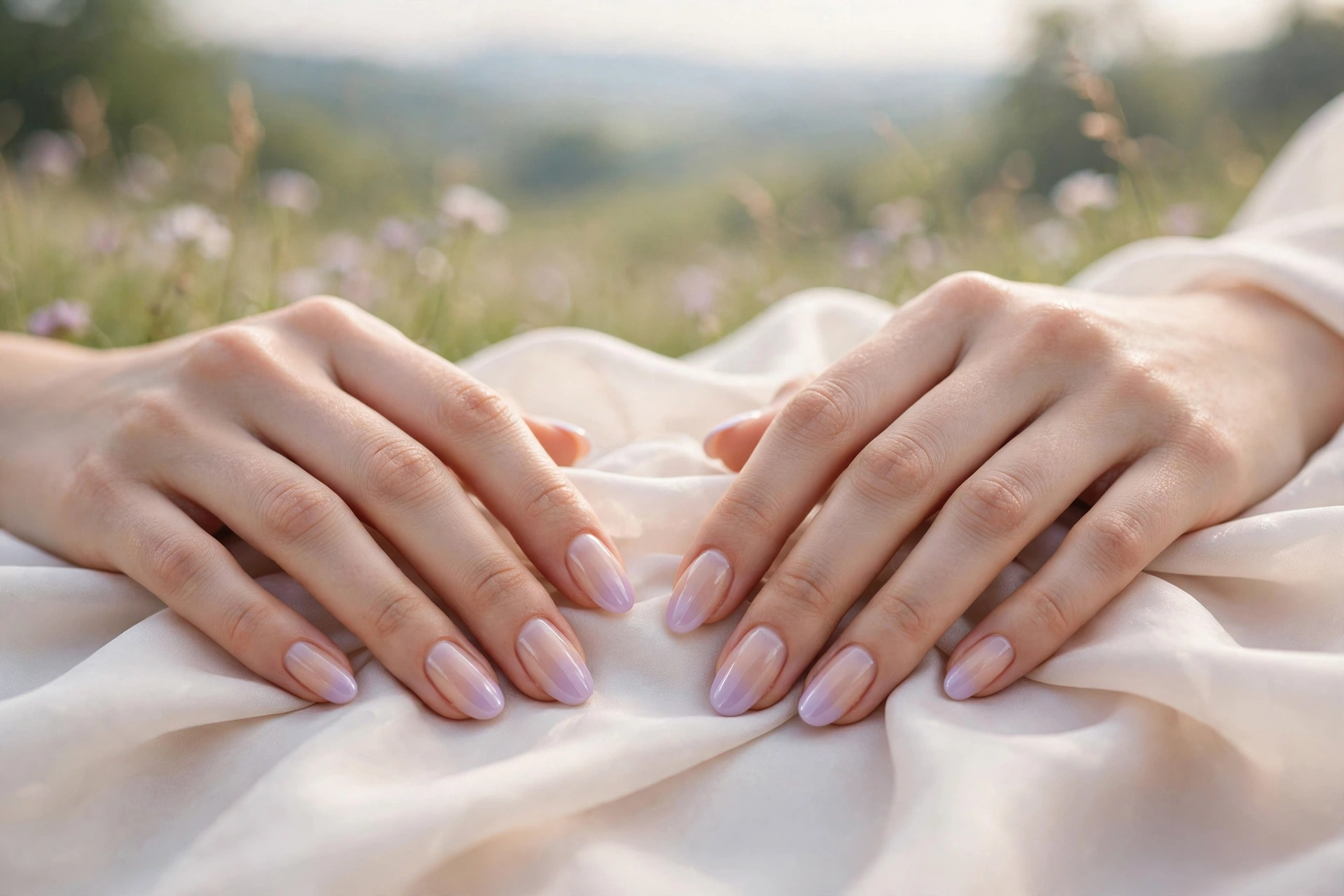
Pastel ombre fade blends a nude base into a pastel tip, most beautifully in lilac, pink, or peach. The soft gradient elongates the nail and looks airbrushed when done well.
Salons achieve this with an airbrush or a sponging technique; at home, a makeup sponge and two polishes give a decent result with practice. This design suits medium to long nails, where the fade has room to show. Seal it with two top coats, because sponged gradients can feel slightly textured.
14. Micro French in Pastel
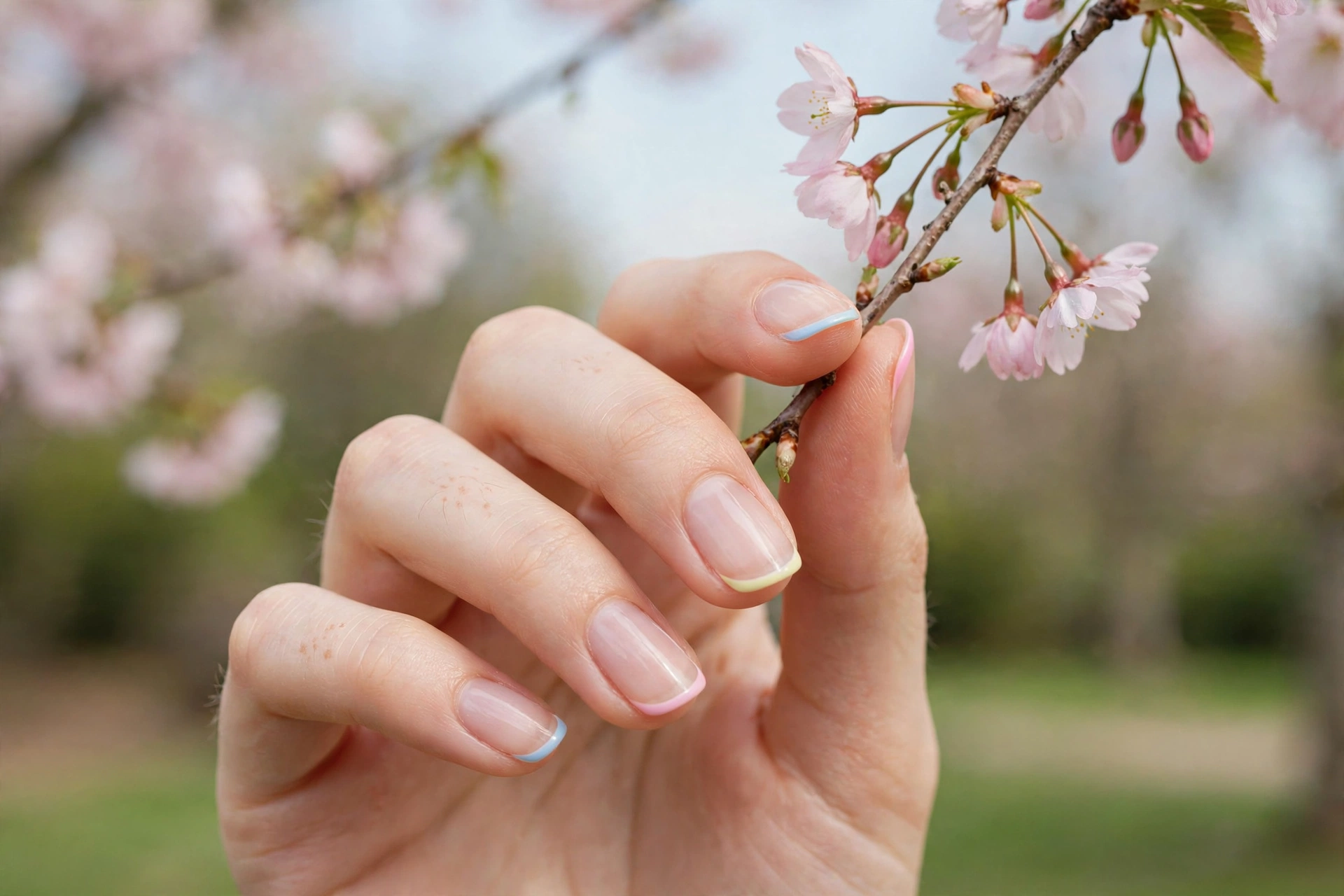
Micro French in pastel uses an ultra-thin line of pastel color right at the free edge over a natural or sheer base. It is the minimalist answer to the French tip: color you notice only up close.
This suits very short nails and anyone who wants a barely-there look with a modern edge. The line must be crisp, so this is best done by a tech with a fine liner brush. Try alternating pastel shades along the micro line for a quiet rainbow effect.
15. Pastel V-Tips
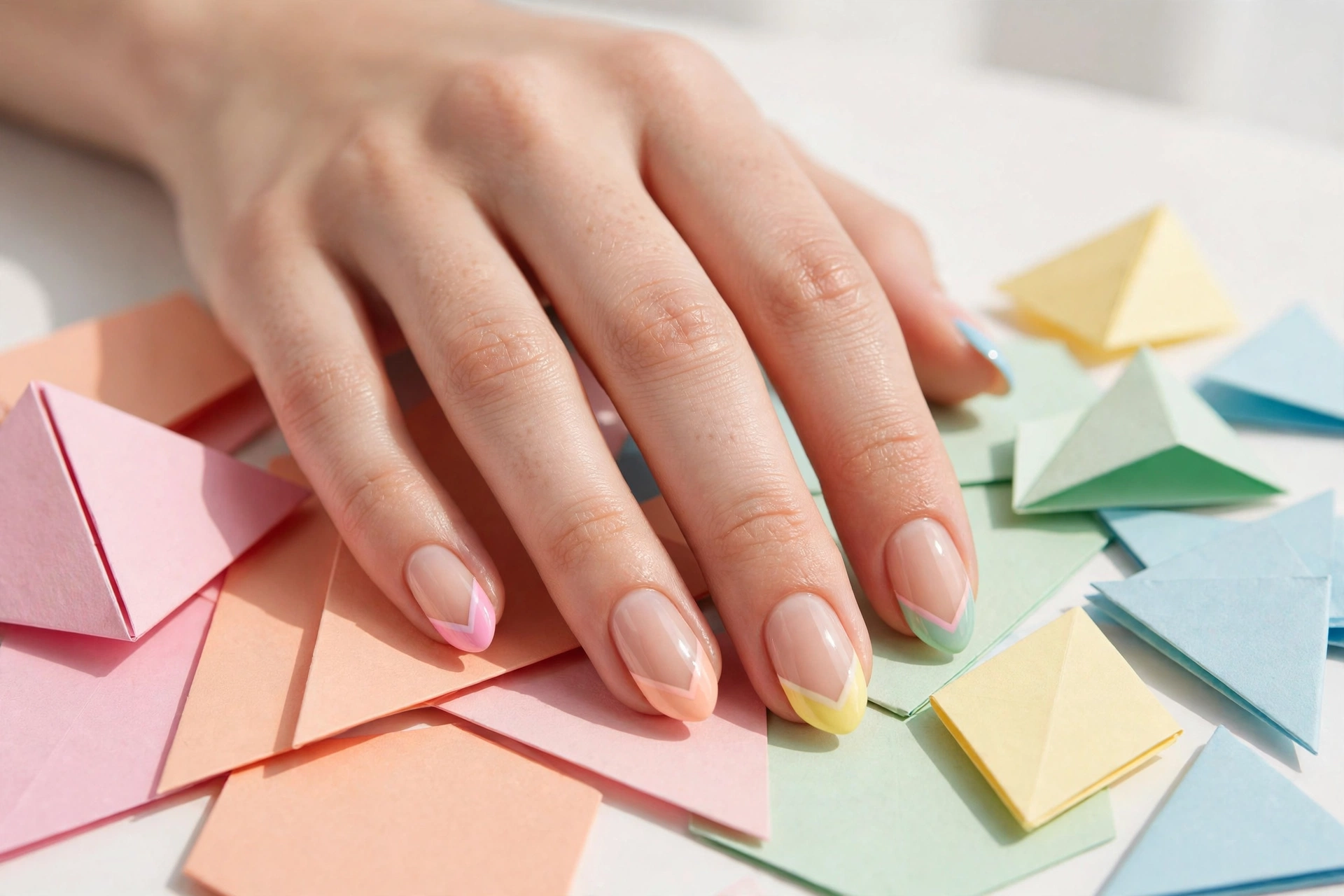
Pastel V-tips paint a chevron or V shape at the tip in pastel shades over a nude base. The pointed tip shape makes fingers look longer and adds a graphic, modern edge to soft colors.
Use one pastel per nail for a rainbow V-tip set, or a single shade for a cleaner look. The V must be symmetrical, so tape or a stencil helps at home. This design shines on almond and stiletto shapes; on square nails keep the V shallow. Unsure which shape to choose? Our nail shapes guide breaks down every option.
Pastel Nail Art & Motifs
Pastel nail art and motifs use soft colors to paint florals, swirls, dots, and patterns. These are the statement designs: more time and skill, but the most eye-catching results.
16. Daisy Micro Florals
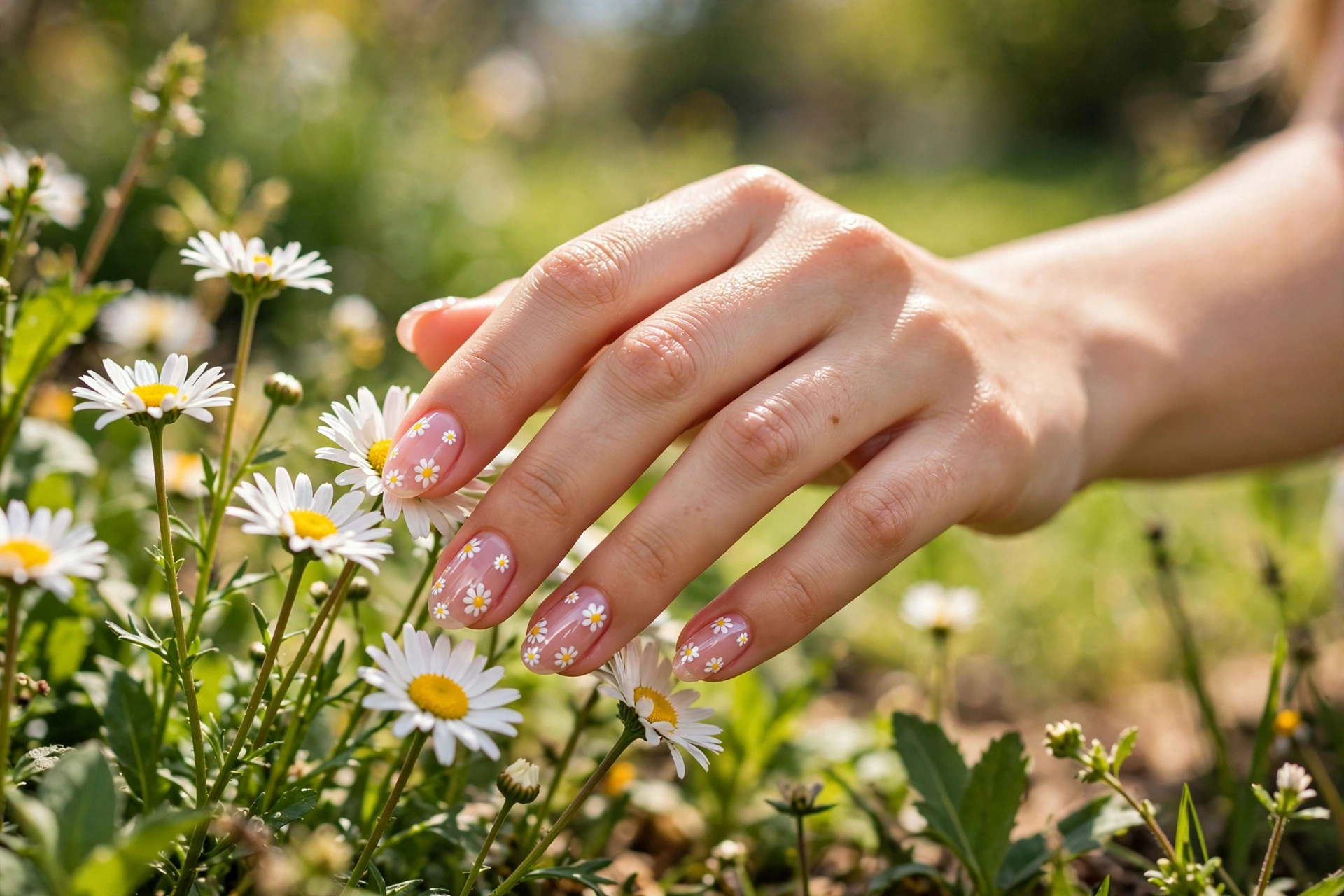
Daisy micro florals are tiny hand-painted daisies, usually white petals with a yellow center, scattered over a nude or sheer pink base. They are the signature pastel nail art look and never really go out of style.
A dotting tool makes the petals: five dots around a center dot. Keep the flowers small and sparse, two or three per nail at most, for a delicate rather than busy feel. This is a satisfying intermediate DIY, and it looks lovely on short oval nails.
17. Pastel Swirls
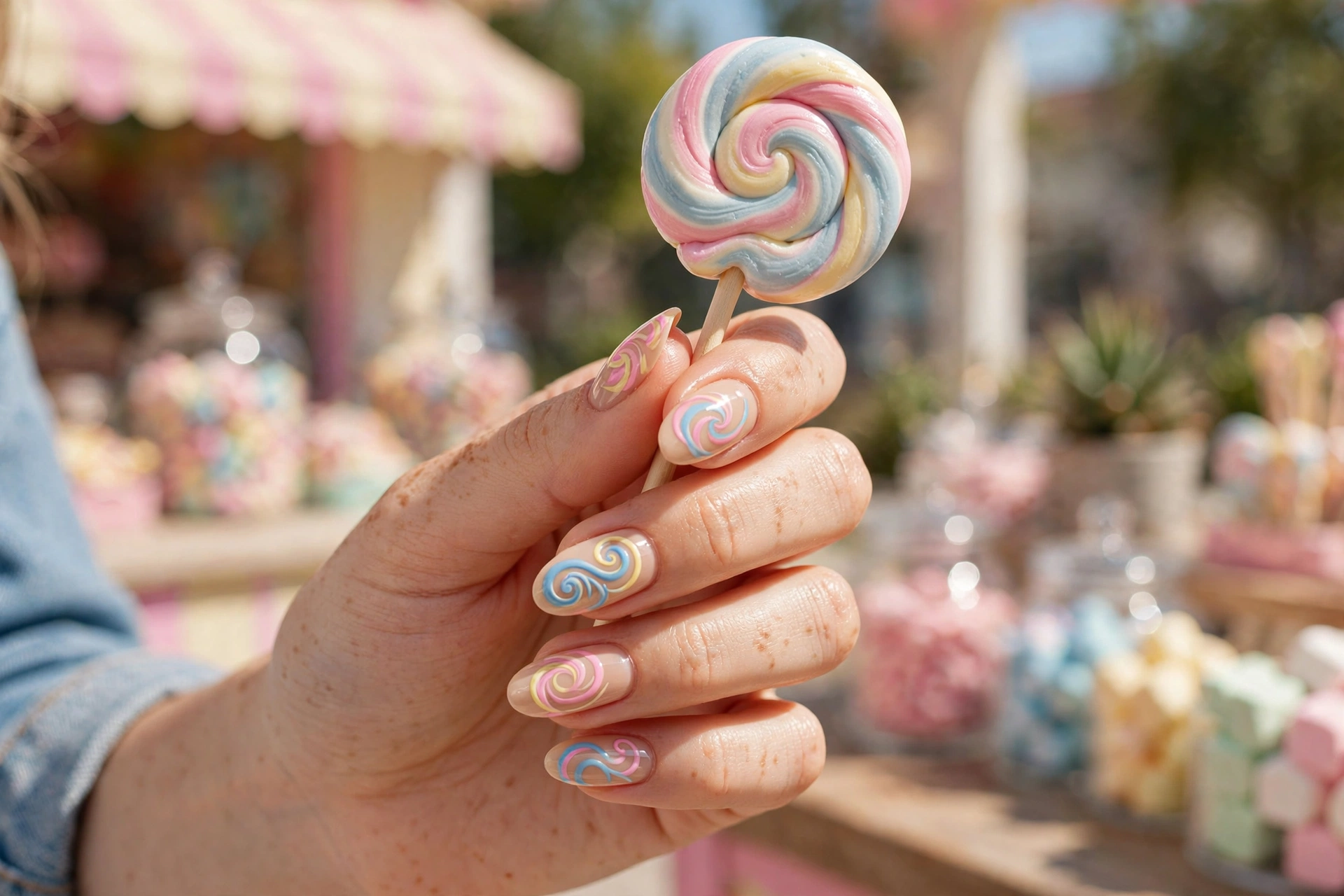
Pastel swirls are freehand wavy lines in two or three pastel shades over a nude or milky base. They look artistic and modern, and because the lines are meant to be organic, imperfect strokes still look good.
This is one of the most forgiving nail art designs for beginners: use a thin liner brush and drag soft S-curves across each nail. It suits medium-length nails where the swirls have room to move. For a dreamier base, try it over a milky nail finish.
18. Pastel Polka Dots
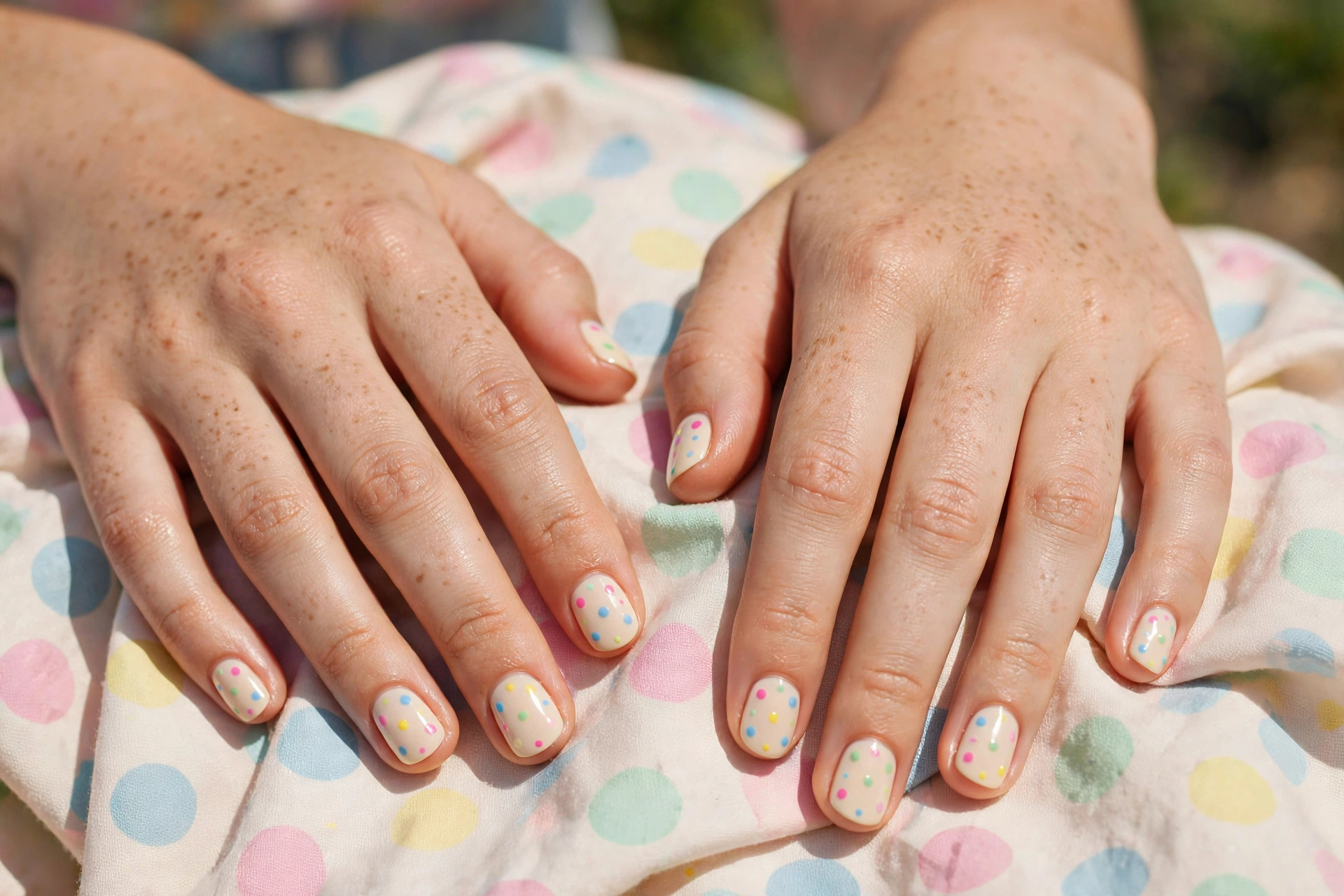
Pastel polka dots scatter small dots in pastel shades over a pale base. It is playful and retro, and it is genuinely one of the easiest nail art designs you can do at home.
A dotting tool, or even a bobby pin head, gives perfect dots. Vary the dot sizes slightly for a hand-painted feel, and keep to two or three pastel shades plus white for a clean palette. This design is charming on short round nails and a fun pick for spring parties.
19. Cloud Pastel Aura
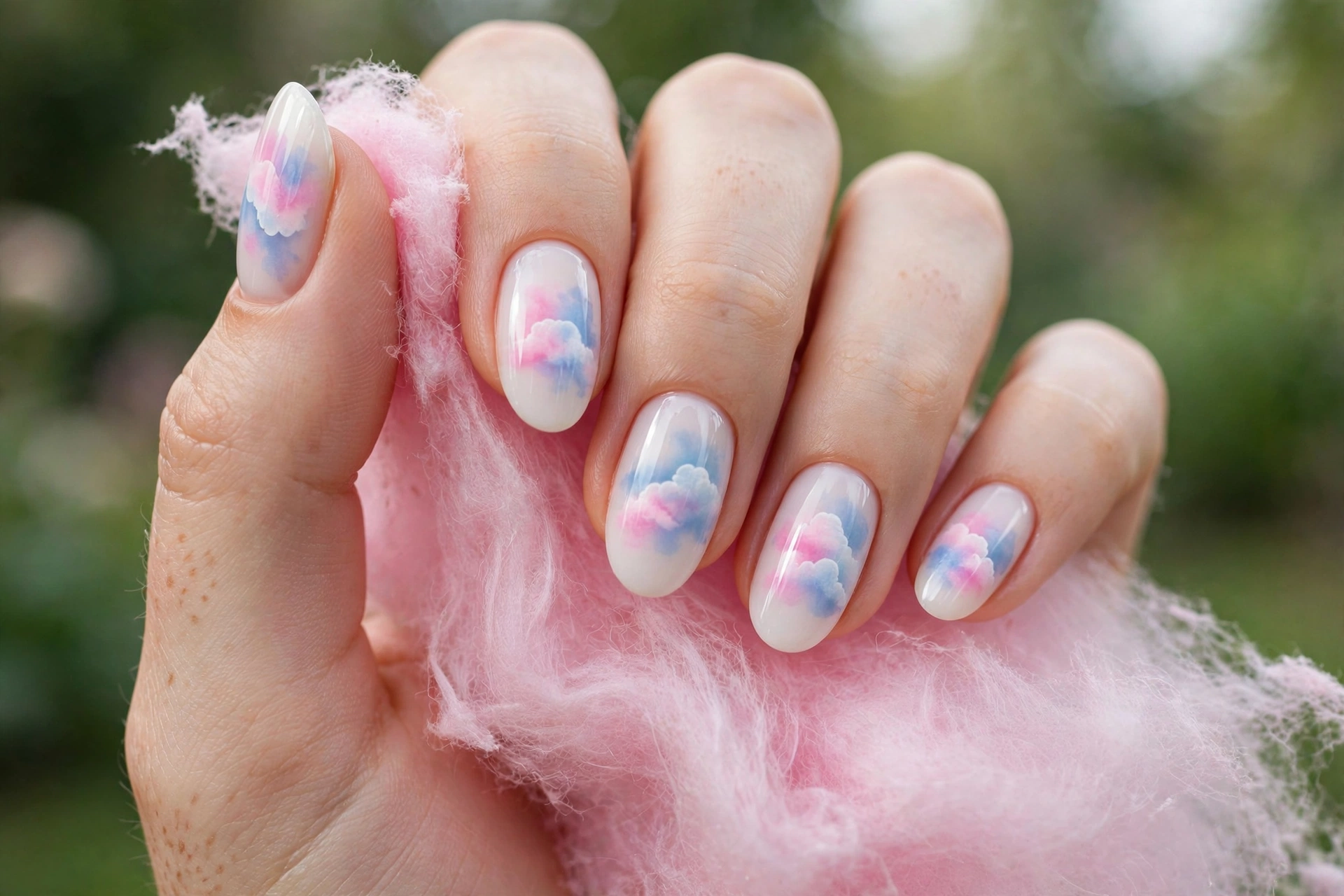
Cloud pastel aura is an airbrushed wash of pastel color, pink, blue, or lilac, blooming from the center of a milky nail like a soft cloud. It is the dreamiest design in this guide and a salon favorite.
The effect needs an airbrush or a sponge with very sheer polish, so this is best left to a professional unless you are practiced. It suits medium to long almond nails, where the aura has space to glow. Ask for a glossy top coat to make the colors look lit from within.
20. Pastel Gingham
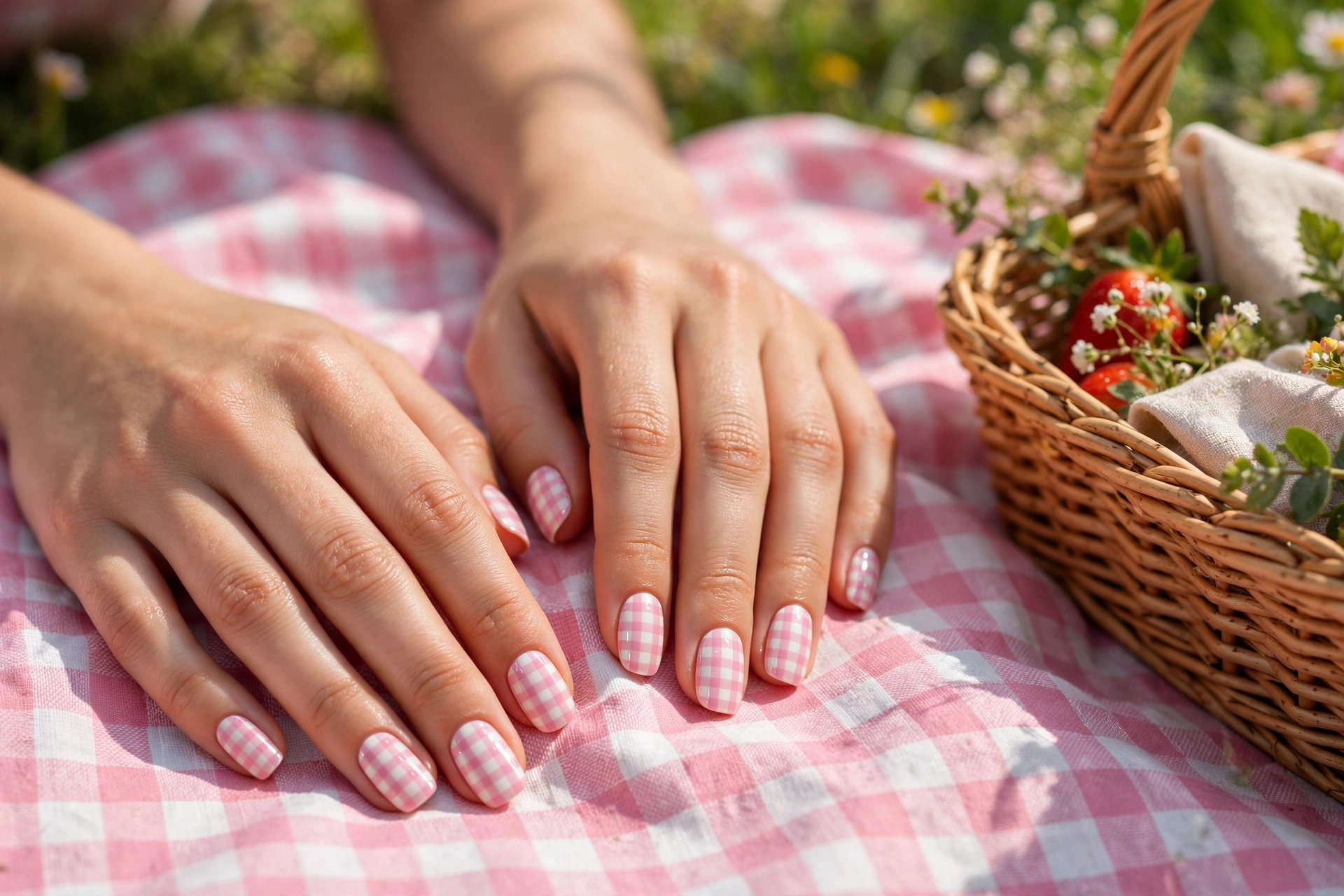
Pastel gingham paints a picnic-check pattern in pastel and white over the nail. It is preppy, cheerful, and unmistakably spring, and it looks far more complex than it is.
The trick is layering: paint the pastel base, add white vertical stripes, then white horizontal stripes, and the overlaps create the check automatically. A striping brush keeps lines straight. This design is best on medium square or squoval nails, where the grid reads clearly.
How to make pastel polish look salon-fresh
Pastel polishes are more transparent than dark shades, so technique matters more. These five habits separate a streaky DIY from a smooth salon finish.
Start with a ridge-filling or white base coat. Pastels show every ridge and stain, so a smoothing base coat gives them an even surface. A white base also makes the pastel look brighter and truer to the bottle color.
Use three thin coats, not two thick ones. Most pastel polishes need an extra coat for full coverage. Thin coats dry faster and chip less than thick ones, so be patient between layers.
Cap the free edge. Run the brush along the tip of each nail with every coat, including top coat. This seals the edge and is the single biggest factor in how long pastel nails last.
Refresh the top coat mid-week. A fresh layer of glossy top coat every three or four days keeps pastels looking new and adds days of wear. This matters more for pastels than darks because dullness shows faster on light colors.
Match the shade to your undertone. Warm pastels (peach, butter yellow, coral pink) flatter warm skin; cool pastels (lilac, mint, baby blue) flatter cool skin. Neutral undertones can wear both. When in doubt, baby pink suits nearly everyone.
What to ask for at the salon
Pastel is one of the hardest colors to apply well, so the wording of your booking matters. Ask for the design by group name from this guide, then add these specifics.
Name the finish, not just the color. “Lilac” gets you whatever is on the salon’s wall. “A lilac crème with a ridge-filling base and a glossy top coat” gets you the manicure in these photos. For glazed pastel, ask for pearl chrome powder over your color and confirm the salon stocks it before you book.
Ask about the base coat. A white or ridge-filling base is the difference between a pastel that looks true to the bottle and one that looks washed out. If a salon skips base coat on light colors, that is a red flag.
Expect honest timing. A solid pastel set takes about 45 minutes; sponge gradients and aura work run 60 to 75; hand-painted art like the daisies and gingham here can take 90. If you are quoted 25 minutes for pastel nail art, the art is not happening.
Bring the photo, check the light. Pastels shift between salon lighting and daylight. Check your set by the window before the top coat goes on; that is the last moment a streak can be fixed cheaply.
Fix it: the three pastel problems
Pastels fail in predictable ways, and each one has a fix. If your manicure shows any of these, you do not need a new color, you need one adjustment.
| Problem | Why it happens | The fix |
|---|---|---|
| Streaky, patchy color | Light pigment dragged over itself while half-dry | Three thin coats, fully dry between layers, over a white or ridge-filling base; float the brush instead of pressing |
| Looks chalky or grey on deep skin | Too-white pigment in the polish fighting warm undertones | Choose pastels with a drop of warmth (peach-leaning pink, golden lilac), keep the finish glossy, and avoid pale matte shades |
| Stained or yellowed tips | Dye transfer from dark denim, turmeric, and hair dye soaking into light polish | Gloves for cooking and cleaning, a fresh glossy top coat every few days to reseal, and a gentle buff plus lemon-free whitening soak for existing stains |
Pastel nails FAQ
Do pastel nails suit dark skin tones?
Yes. Pastel nails look striking on dark skin tones because the light color contrasts beautifully against the skin. Lilac, mint, and baby blue pop especially well, while peach and butter yellow harmonize with warm undertones. A glossy finish keeps the color looking rich rather than chalky.
How many coats do pastel polishes need?
Most pastel polishes need three thin coats for full, even coverage, because the pigments are lighter and more transparent than dark shades. A white or ridge-filling base coat underneath can reduce this to two coats and makes the color look truer.
What nail shape works best for pastel nails?
Almond and oval shapes suit pastels best because their soft curves echo the soft colors. Short round nails look fresh and modern in pastel, while coffin and stiletto shapes give pastels an edgier contrast. Very long square nails can make some pastels look harsh, so soften the edges.
Can I do pastel nail art at home without professional tools?
Yes, for many designs. Dots need only a bobby pin or toothpick, swirls work with a thin brush, and skittles need no tools at all. French tips are easier with adhesive guides. Airbrushed looks like the cloud aura and fine micro florals are the ones worth booking a salon visit for.
How long do pastel gel nails last?
Pastel gel nails typically last two to three weeks with proper application, the same as any gel color. Pastels show regrowth less obviously than dark shades, which is a bonus, but they can stain from things like turmeric or dark denim, so wear gloves for messy tasks.
Which pastel shades are most popular right now?
Butter yellow, lilac, and pistachio-adjacent mints are the pastel shades trending hardest, alongside the evergreen baby pink and baby blue. For a softer take on the same palette, milky finishes layered under pastel art are also gaining ground; see our milky nail designs for that look.
Do pastel nails only work in spring?
No. Pastels peak in spring, but they work year-round with the right styling. In summer, pair them with bright outfits; in fall, choose dustier pastels like mauve and sage; in winter, icy pastels like baby blue and lilac look fresh against dark clothing. Our winter nail designs show how soft shades carry into the cold months.
Do pastel nails look good on short nails?
Yes, short nails are one of the best canvases for pastels. The soft color keeps short nails looking neat rather than stubby, and designs built on placement rather than length, like the micro French, reverse French, and polka dots in this guide, were made for them. Choose crème or milky finishes, keep the shape round or squoval, and avoid very long designs translated down, which can look crowded.
What is the difference between pastel nails and milky nails?
Pastel describes the color: any soft, whitened shade like baby pink, lilac, or mint. Milky describes the finish: a sheer, translucent wash that lets your natural nail show through. A manicure can be both at once, a milky pastel, which is the softest version. Classic pastel crème is fully opaque; milky pastel is the same palette at half strength.
Are pastel nails better matte or glossy?
Glossy suits most pastels because shine makes light colors look rich and hides the streaks pastel pigment is prone to. Matte works best on dustier, deeper pastels like mauve and sage, where it reads velvety rather than chalky. If you love matte, wear it on shorter nails and refresh the top coat often, because matte shows oils and scuffs faster than gloss.
Keep exploring soft shades
If pastels are your palette, these guides go deeper into the shade families: purple nail designs, blue nail designs, green nail designs, and white nail designs for the palest end of the spectrum.

2 Comments