18 Orange Nail Designs: Terracotta, Coral & Tangerine
Orange might be the most underrated color in the nail world. It is cheerful without being loud in its softest forms, and it turns heads without trying in its boldest ones. From the barely-there peach of spring to the burnt terracotta of autumn, orange covers more ground than almost any other shade family. Below are 18 designs, grouped by when you will actually want to wear them, each with notes on shape, difficulty, and who it suits best.
Spring: Soft Corals and Peachy Pastels
Spring is when orange is at its gentlest. Peachy washes, apricot florals, and coral tips feel fresh after winter’s dark shades, and these lighter versions work on every skin tone because the sheer formulas soften the pigment.
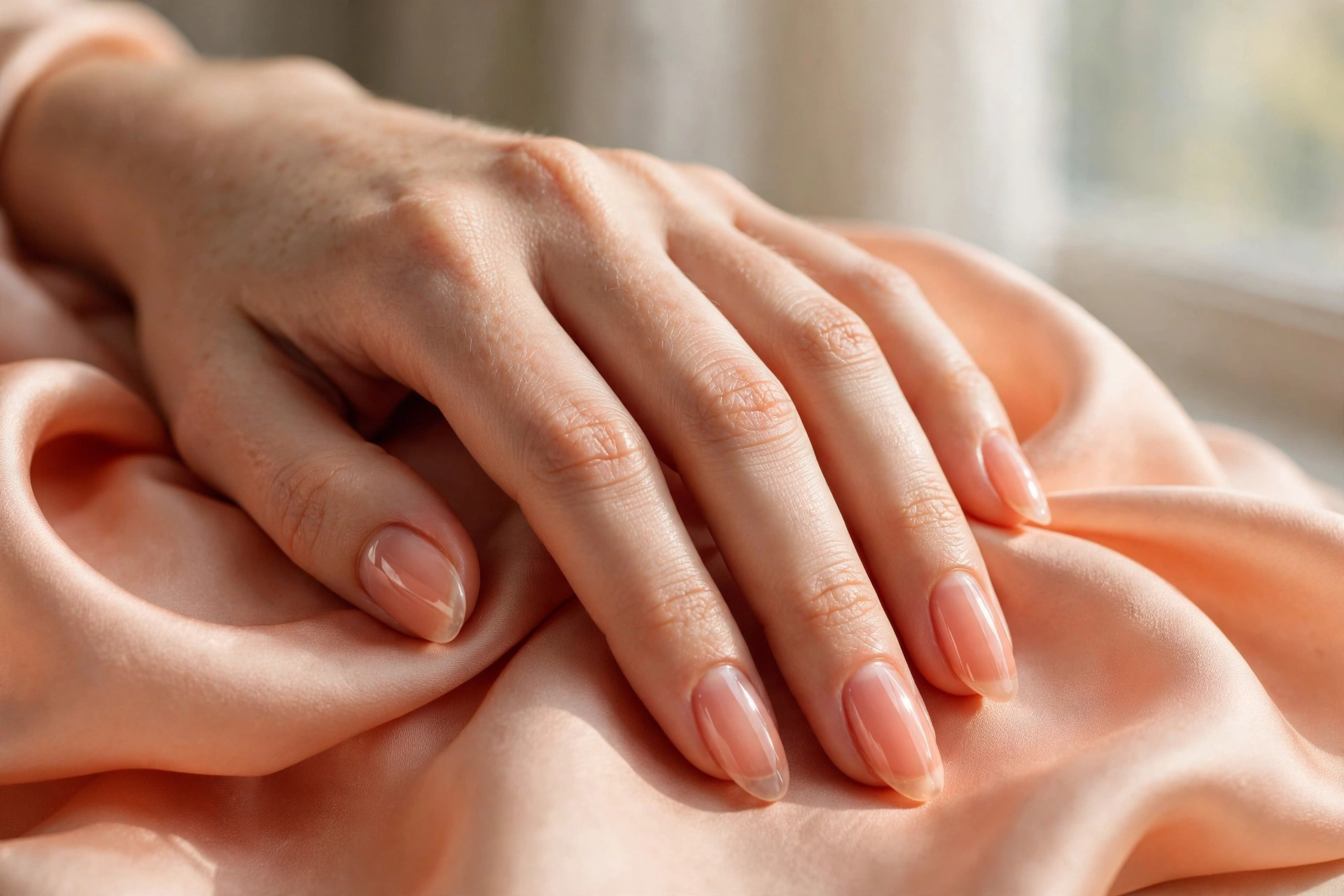
1. Sheer Peach Wash
A translucent wash of peach over your natural nail. It evens out your nail beds the way a tinted moisturizer evens out skin, and it is the easiest entry point into orange if you have never tried it.
Why it works: sheer formulas are forgiving. Streaks and uneven application barely show, and the look suits short, natural nails better than long ones, since the effect is about glow, not drama.
Difficulty: beginner. One to two coats of a sheer peach polish or jelly, plus top coat. Works in regular polish or gel.
Skin tone note: universally flattering. Fair skin stays bright, and deeper skin tones get a warm glow without the harsh contrast of a neon.
2. Coral French Tips
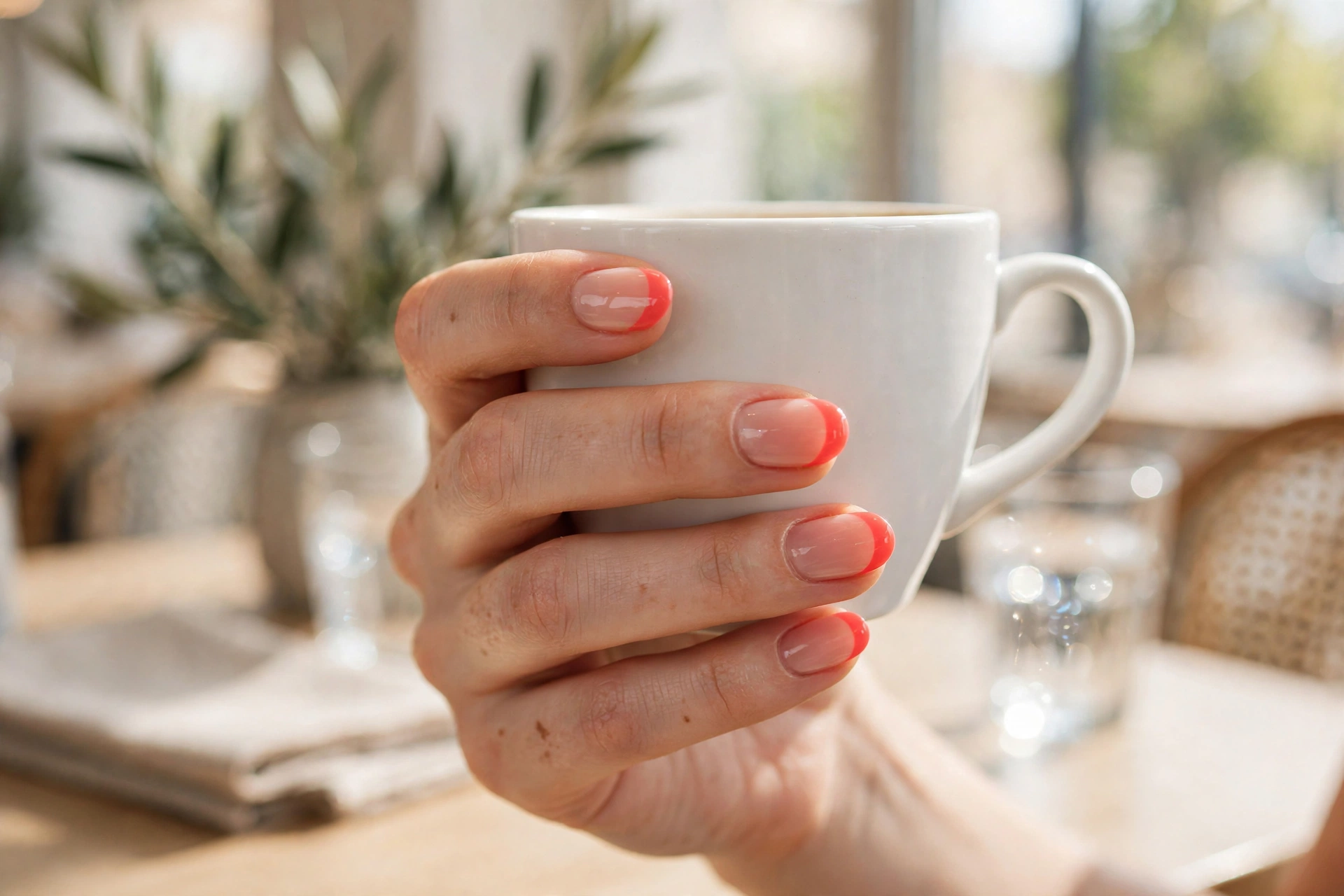
The classic French, reworked in vibrant coral. The nude base keeps it office-safe while the coral edge adds personality that white tips never could.
Why it works: you get the structure of a French with a shot of color. Coral tips photograph well, which is why this is a wedding-guest and spring-event favorite.
Difficulty: easy at a salon, moderate at home. Freehand tips need a steady hand; French guides or silicone stamps make it beginner-friendly.
Shape note: best on almond or oval. The curved tip mirrors the coral smile line naturally.
3. Apricot Micro Daisies
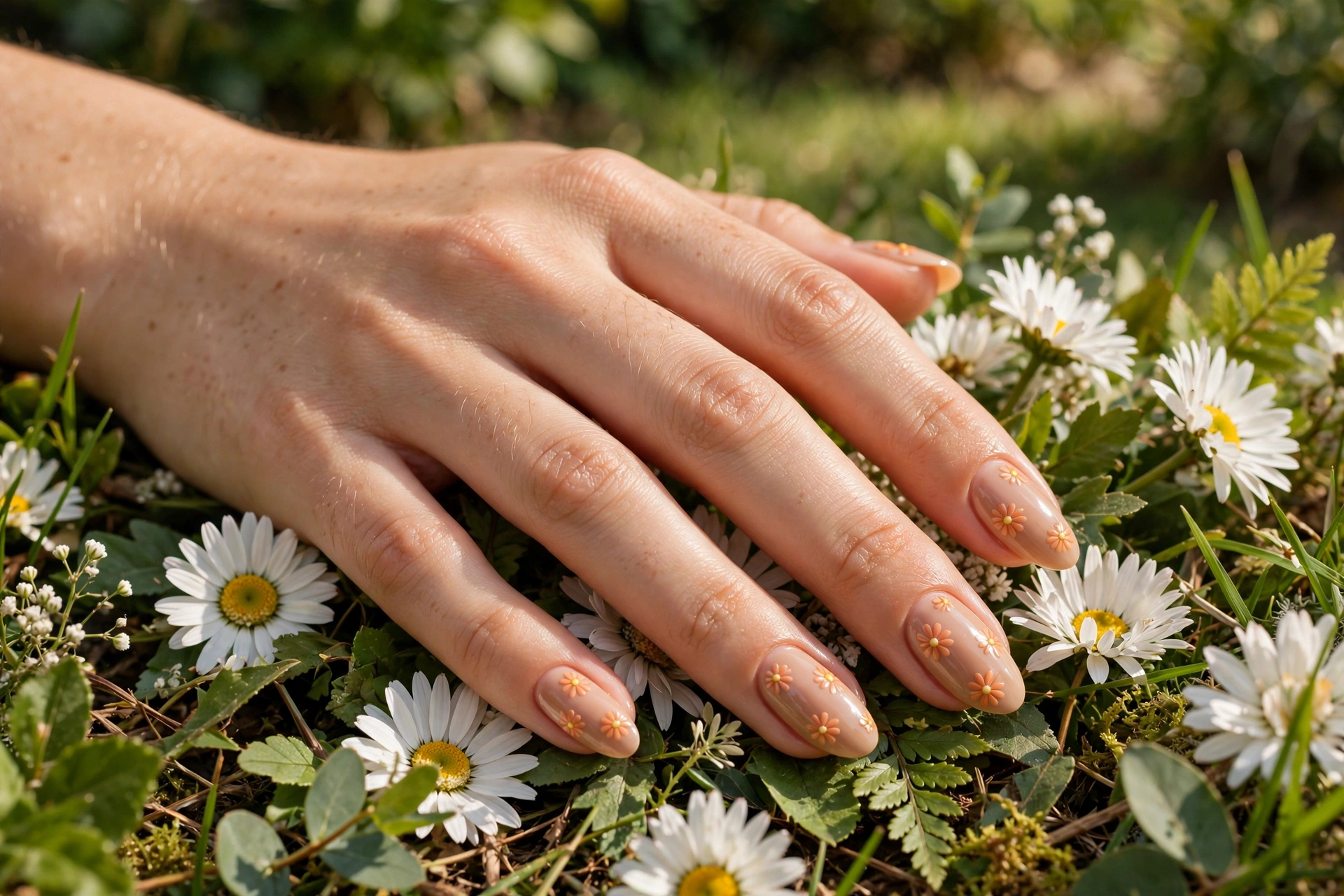
Tiny apricot daisies scattered across a warm nude base. Cute, but the small scale and single accent color keep it grown-up rather than cartoonish.
Why it works: micro florals read as texture from a distance and as detail up close. Apricot is softer than yellow, so it does not fight your skin tone.
Difficulty: moderate. A dotting tool makes the five petals; the center dot is a single press. Easier than full-size floral painting by a mile.
Wearability: the nude base means chips and regrowth are barely visible. A good two-week manicure with minimal maintenance.
4. Melon Coral Creams
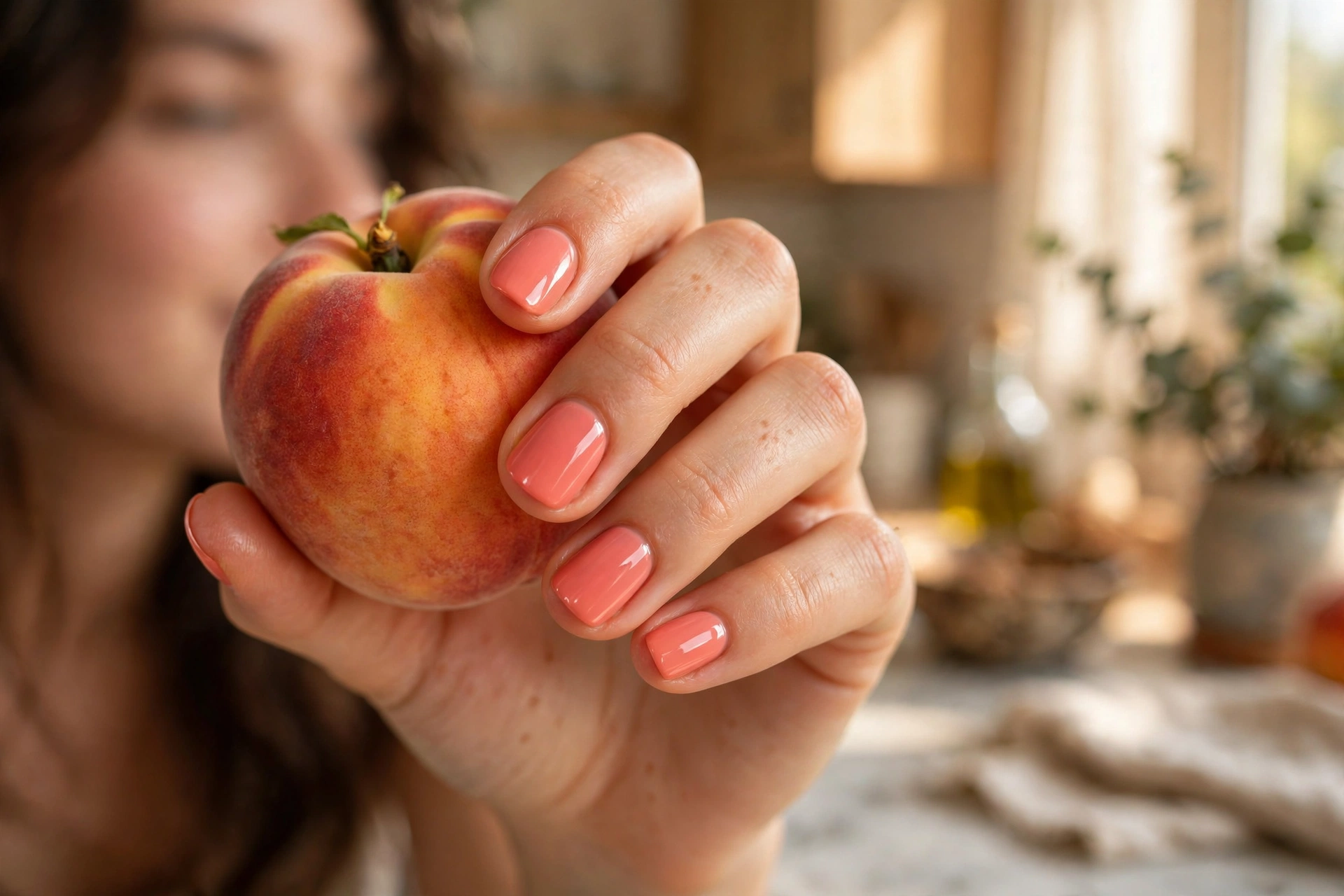
A full-coverage coral with a melon undertone, softened from true orange by a whisper of pink. Glossy, juicy, and unmistakably spring.
Why it works: melon coral sits between pink and orange, so it flatters both warm and cool undertones. Two coats give full opacity with a glassy finish.
Difficulty: beginner. A straightforward creme application, and the mid-tone pigment hides minor imperfections well.
Shape note: short squoval or oval keeps it fresh and modern. Long lengths push it toward tropical, which is a summer look.
Summer: Bold Tangerines and Neon Oranges
Summer is orange’s main stage. Heat, sunlight, and tan lines all amplify warm pigment, which is why the boldest oranges, neons, tangerines, and citrus art, belong to this season.
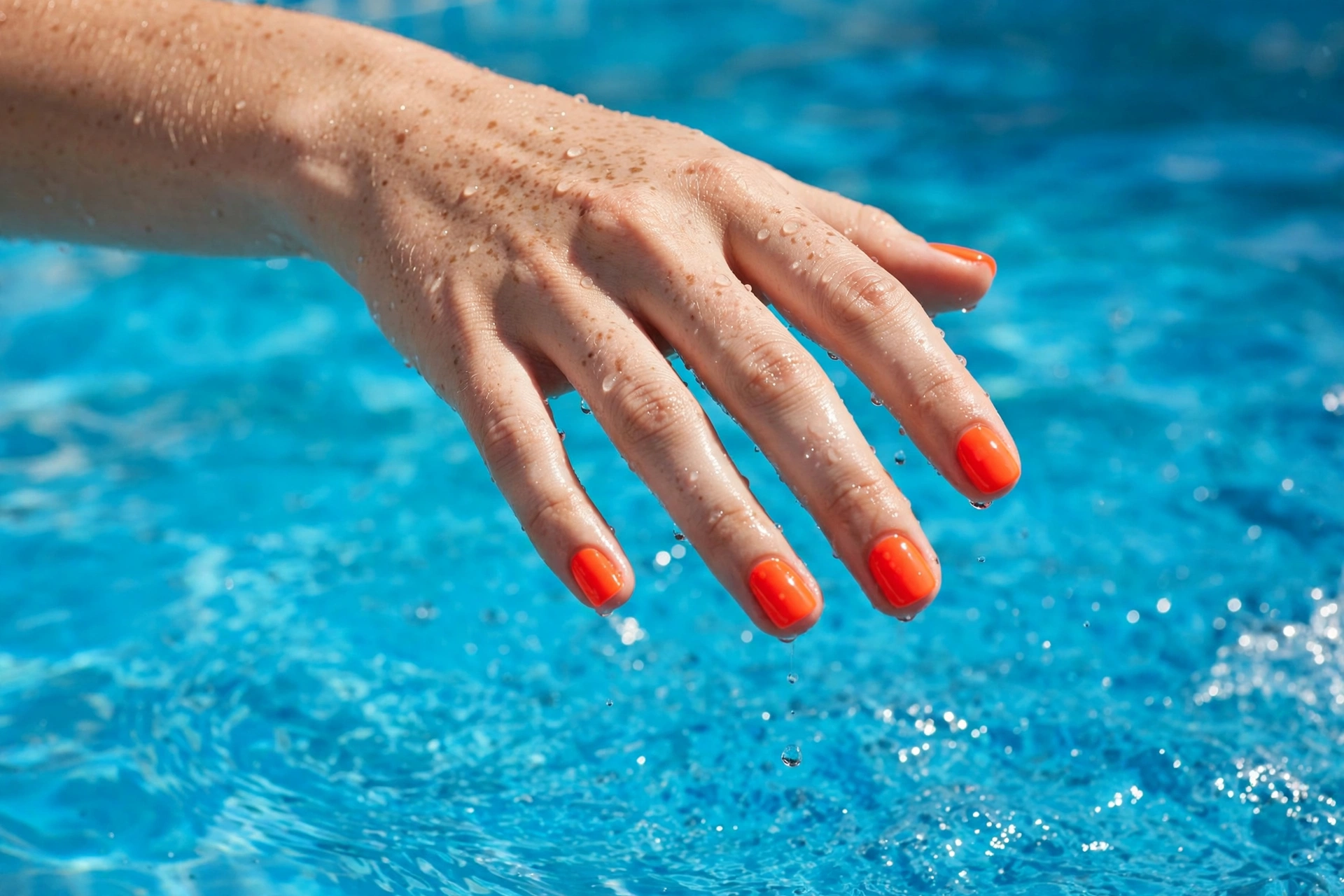
5. Neon Tangerine Creams
Pure electric tangerine, high gloss, zero subtlety. The manicure equivalent of a sunset you cannot look away from.
Why it works: neon orange is one of the few colors that looks intentional on every nail length. It is a summer vacation and festival staple for a reason.
Difficulty: beginner to apply, but neons demand prep. They show every ridge, so buff smooth and use a white base coat under sheer neon formulas for maximum punch.
Wearability note: neons fade faster in sun and pool water. Gel or a UV-protective top coat extends the life noticeably.
6. Blood Orange Chrome
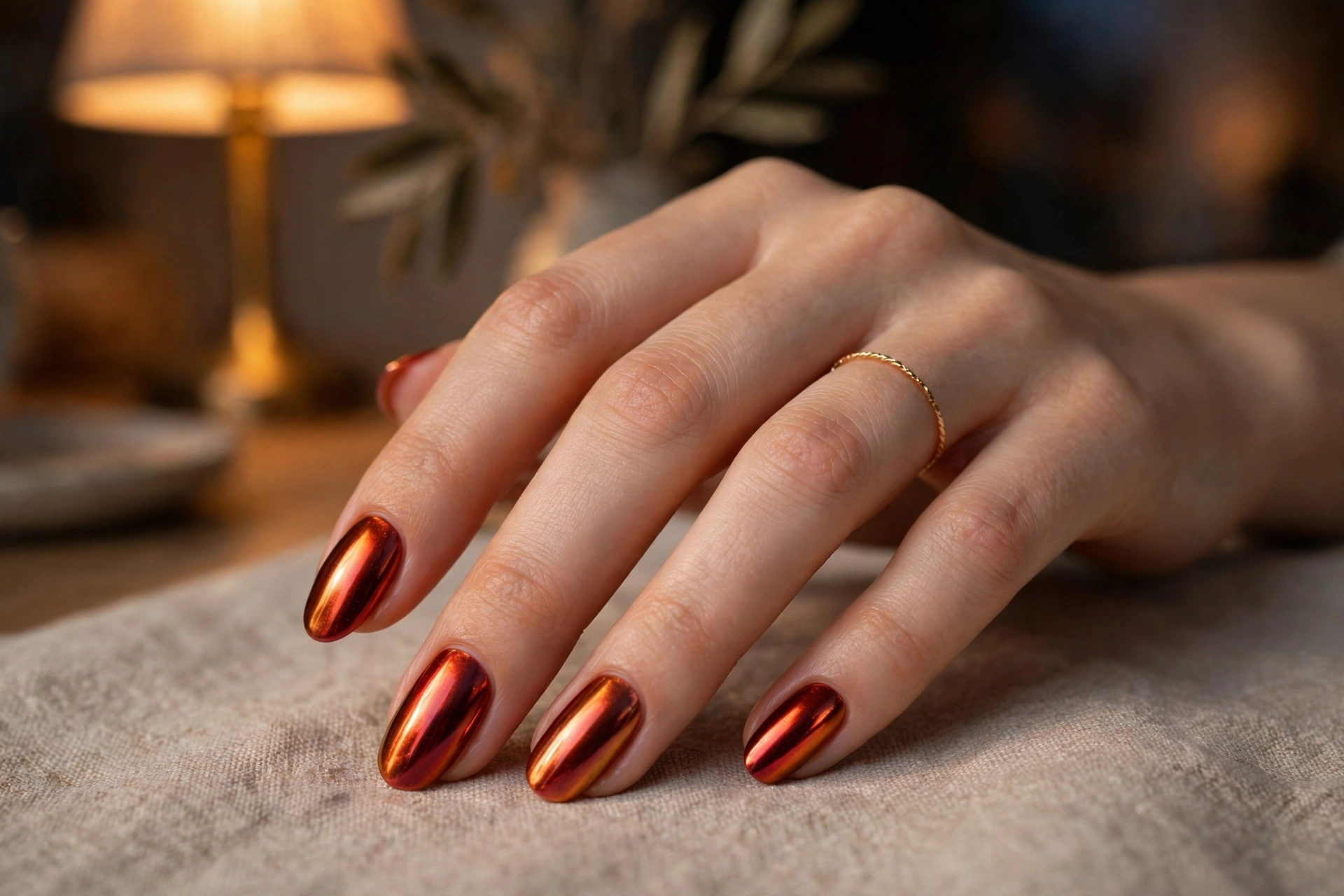
A deep red-orange chrome that shifts between blood orange and copper depending on the light. Moody, expensive-looking, and nothing like the flat neons around it.
Why it works: chrome powder over a dark orange base gives dimension that plain creme cannot. It reads luxe in evening light, which makes it a summer-night standout.
Difficulty: salon-level. Chrome needs a gel base, no-wipe top coat, and powder burnishing. DIY chrome kits exist but the finish rarely matches a tech’s.
Shape note: medium almond shows off the reflective surface best. Short nails still work, but the color-shift effect needs some surface area.
7. Citrus Slice Accents
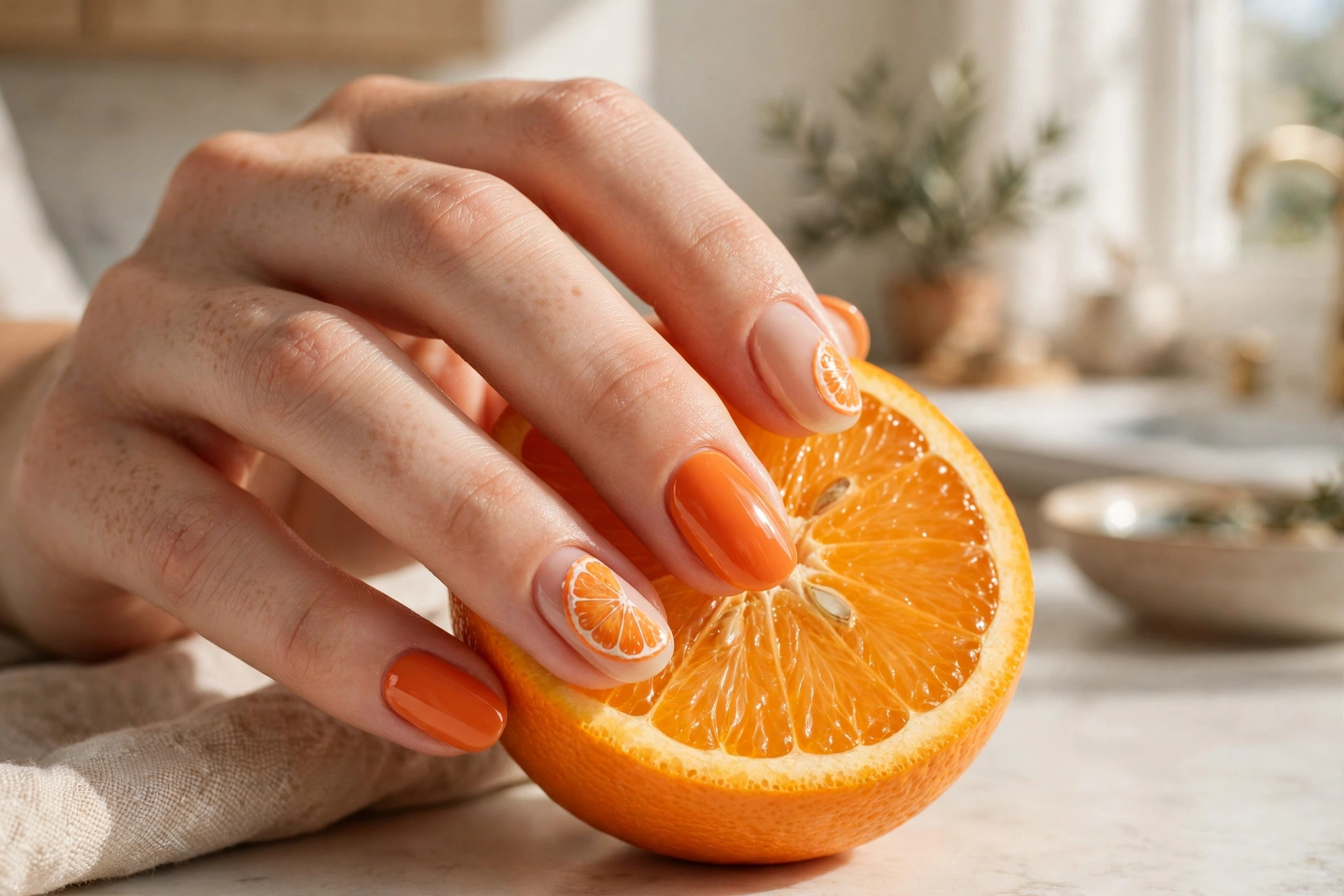
Hand-painted orange citrus slices on one or two accent nails, with the rest in tangerine creme. Playful, summery, and instantly recognizable.
Why it works: fruit art is the rare nail art that looks better slightly imperfect. The segmented slice design is forgiving, and the accent-nail approach keeps it from feeling costume-y.
Difficulty: moderate. Paint the slice with a thin brush: white rind outline, orange segments, pale center. Practice on a nail wheel first.
Wearability: best for vacations and weekends. The art chips faster than solid color, so seal with two top-coat layers.
8. Tangerine and Nude Swirls
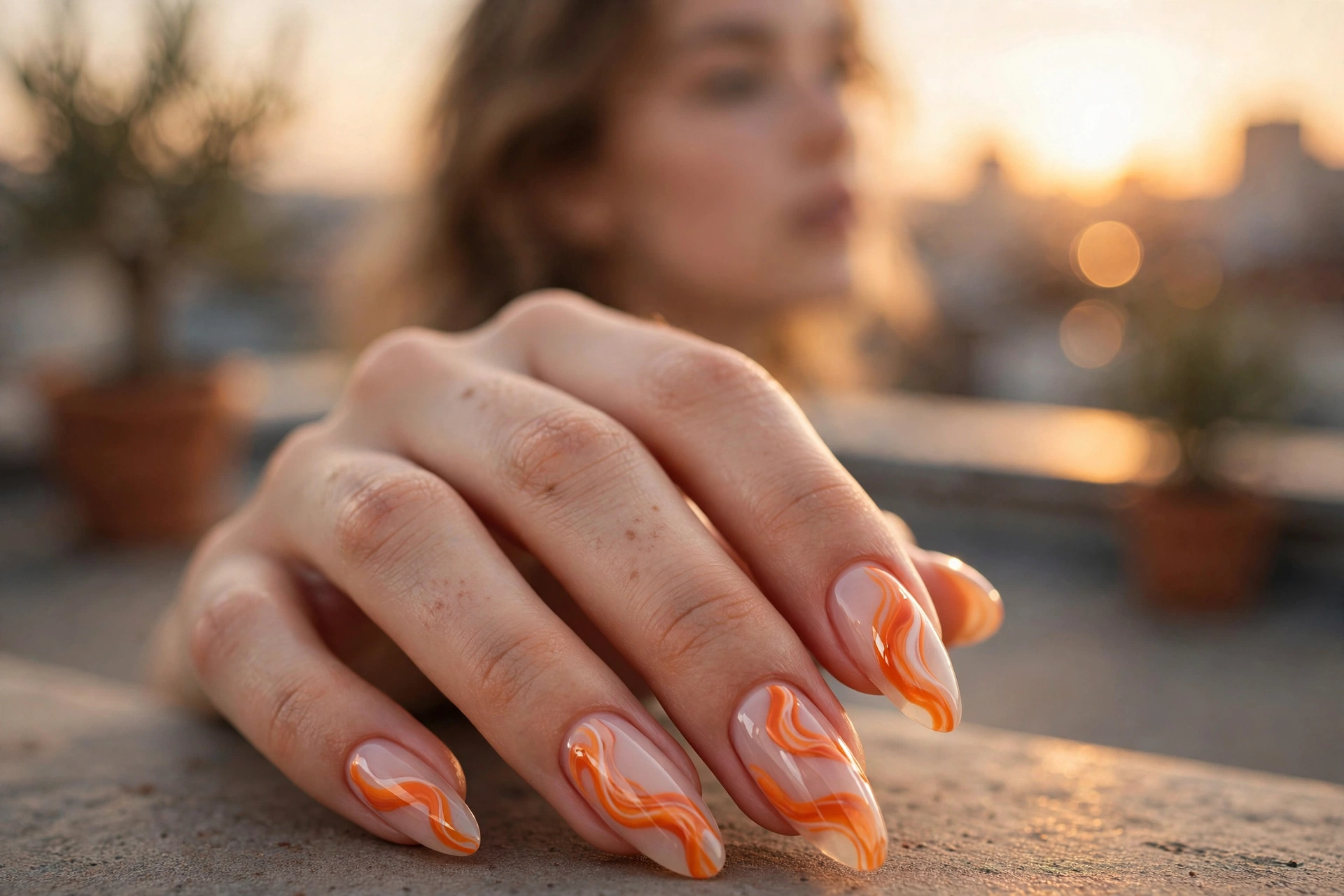
Fluid tangerine swirls over a milky nude base. Abstract, artsy, and different on every nail, which hides any wobbles in the linework.
Why it works: swirls are the most forgiving nail art there is. There is no wrong shape, and the nude base gives the design room to breathe.
Difficulty: easy to moderate. A thin liner brush and a light hand. The lines do not need to match across nails, which is the whole point.
Shape note: long almond or coffin gives the swirls space to travel. On short nails, keep the swirls to one or two per nail.
Autumn: Burnt Oranges and Terracotta
When the leaves turn, orange goes earthy. Burnt orange and terracotta are autumn’s answer to the red manicure: rich, warm, and endlessly wearable with the season’s browns, creams, and golds. (If you want the full harvest-season look, our Thanksgiving nail designs take this palette even further.)
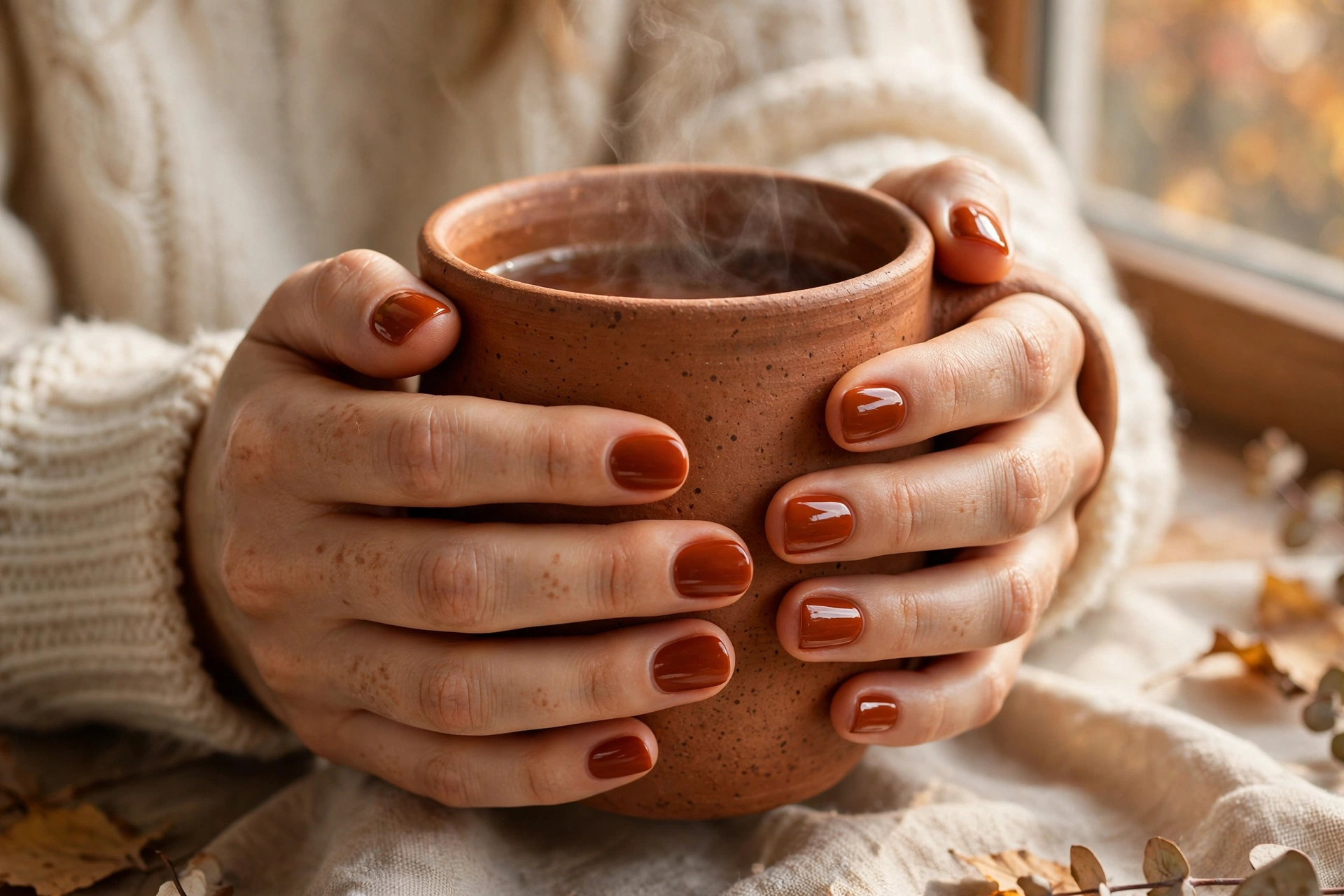
9. Burnt Orange Solid Creams
The definitive autumn orange: deep, spiced, and just brown enough to feel sophisticated. Two coats of glossy burnt orange is the whole look, and it is enough.
Why it works: burnt orange flatters warm and olive undertones beautifully, and it pairs with everything in an autumn wardrobe. It is the orange most skeptics end up loving.
Difficulty: beginner. Dark warm cremes are self-leveling and forgiving.
Shape note: short oval or squoval is the classic pairing. Long almond turns it dramatic, which works for evening but can feel heavy for daytime.
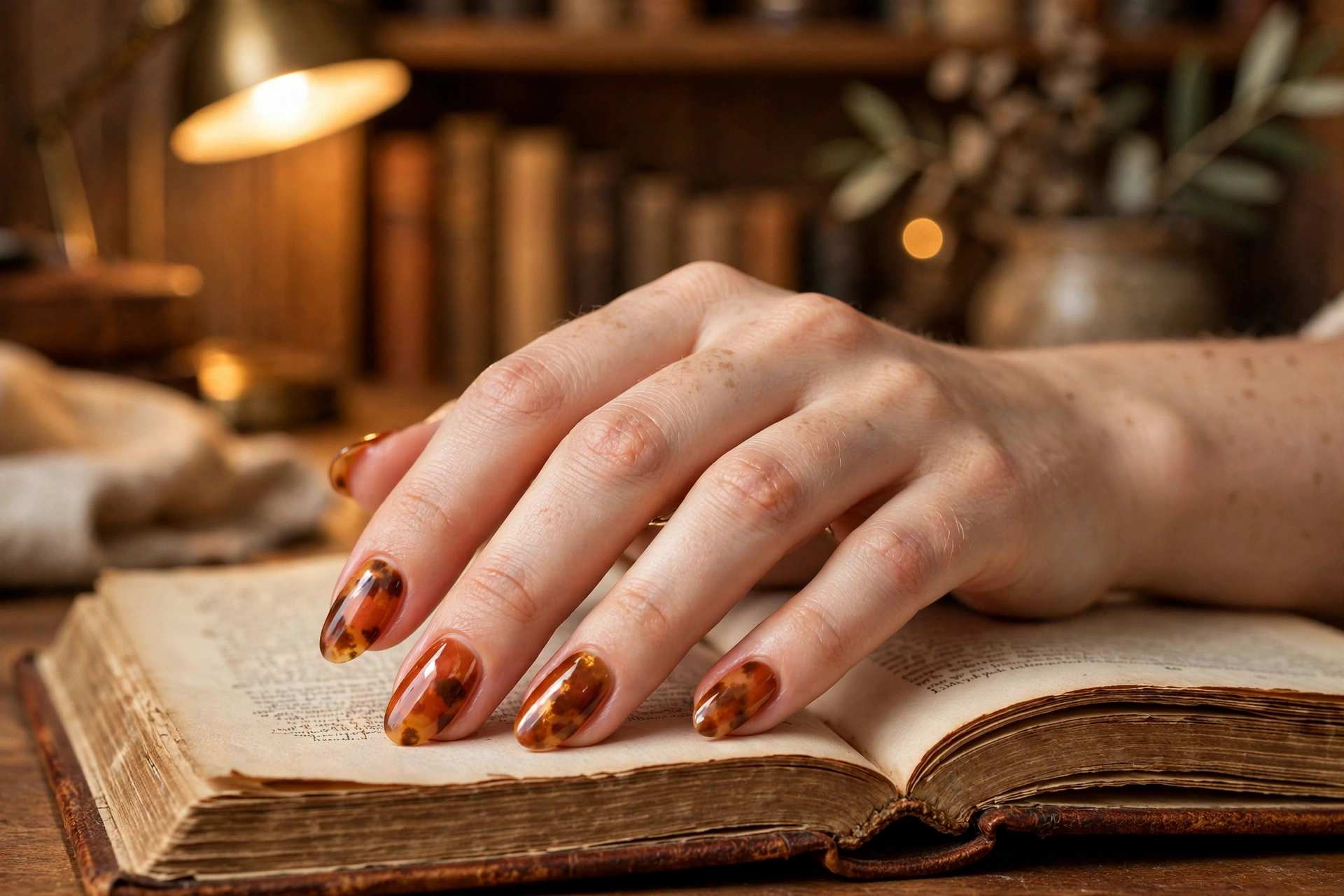
10. Terracotta Tortoiseshell
Classic tortoiseshell pattern recolored in terracotta, amber, and warm brown. The mottled pattern is naturally dimensional, so it looks expensive from across the room.
Why it works: tortoiseshell is one of the most requested salon patterns because it suits every outfit and hides wear. The terracotta version keeps the warmth while skipping the traditional dark brown heaviness.
Difficulty: moderate. The blooming technique (dots of color dropped into wet polish) is easy to learn but takes practice to control.
Wearability: the busy pattern disguises chips and tip wear better than any solid. A genuinely low-maintenance statement manicure.
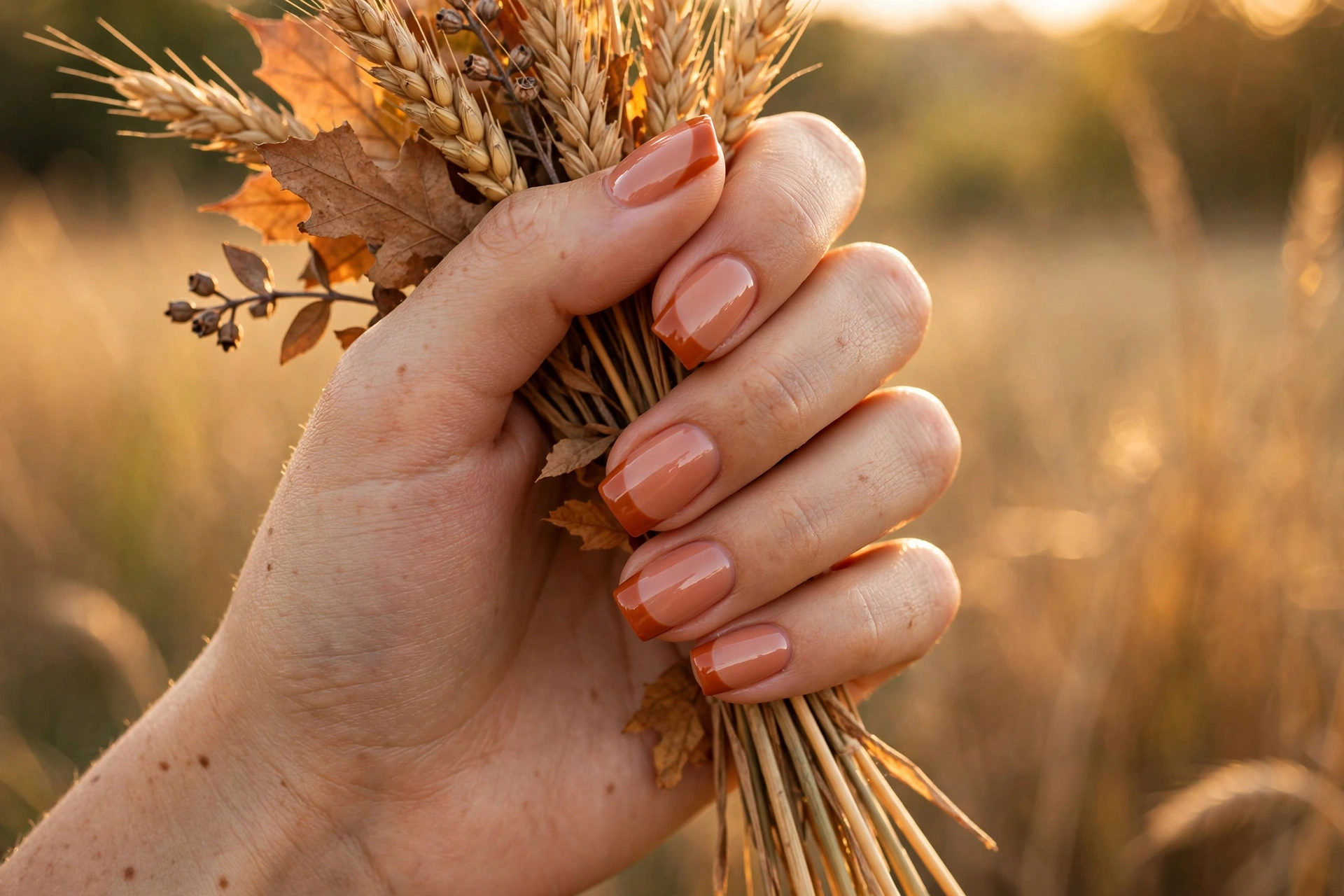
11. Spiced Pumpkin French
A French manicure with pumpkin-spice terracotta tips over a warm nude base. Autumn’s version of the coral French from spring, deeper and cozier.
Why it works: it carries the French structure through the seasons without repeating yourself. The warm nude base bridges the gap between summer’s brights and winter’s darks.
Difficulty: moderate, same as any French. The deeper tip color is actually easier than white because it does not show every wobble.
Skin tone note: the warm nude base is doing the heavy lifting here. Match it to your skin’s undertone (peachy nude for warm skin, neutral beige for cool) and the terracotta tips will harmonize.
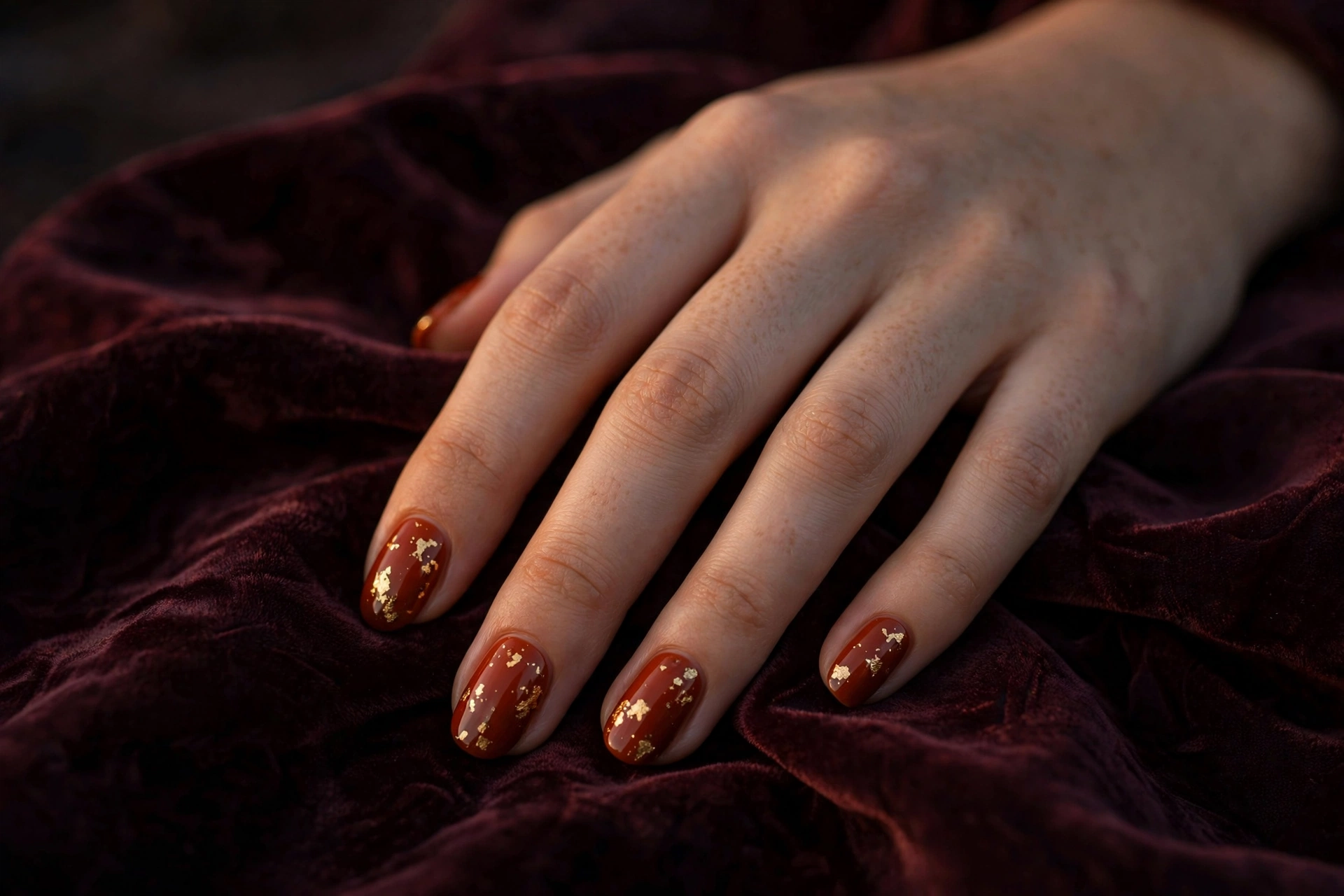
12. Rust and Gold Foil
Deep rust-orange nails with scattered gold foil flakes. The foil catches light like embers, and the combination feels made for candlelit autumn evenings.
Why it works: gold and orange are natural partners, and foil adds texture without the commitment of full glitter. Each nail looks slightly different, which is part of the appeal.
Difficulty: easy to moderate. Foil is pressed onto tacky polish with tweezers and sealed under top coat. Placement is random by design.
Wearability: foil edges can lift if not fully sealed. Cap the free edge with top coat and re-seal after a few days for a two-week wear.
Golden Hour: Sunset Blends and Warm Fades
Some oranges refuse to pick a season. These gradient and aura designs blend coral, tangerine, and peach the way a sunset does, and they work year-round because the warmth comes from the blend, not a single bold pigment.
13. Sunset Ombre
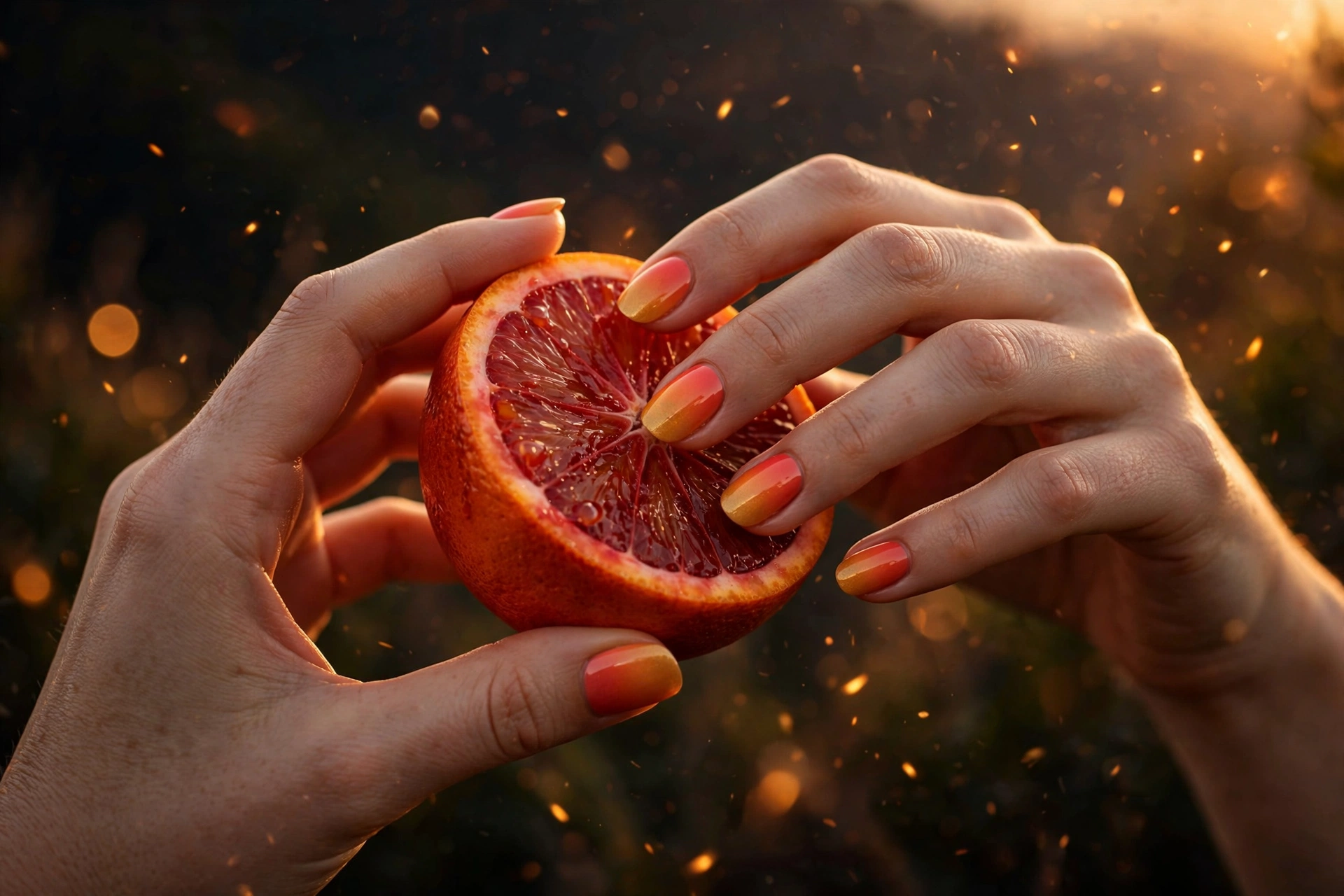
Coral melting into tangerine melting into peach, nail by nail or blended across each nail. The gradient does the talking; no art needed.
Why it works: ombre in warm tones is more forgiving than ombre in cool tones, because the colors share undertones and blend without muddying. It photographs beautifully in natural light.
Difficulty: moderate. Sponge ombre is the DIY method; airbrush or a skilled tech gives the smoothest salon result.
Shape note: medium to long almond or oval. Gradients need length to show the full color journey.
Do It Yourself: The Sunset Ombre, Step by Step
The sunset ombre above is the design readers ask us about most, and it is more forgiving than it looks because every color in it shares a warm undertone. You need three polishes (coral, tangerine, peach), a makeup sponge, base coat, and top coat.
- Prep and base. Shape and buff, push back cuticles, and apply base coat. Warm pigments show every ridge, so do not skip the buffing step. Let the base coat dry fully.
- Paint the lightest color first. Apply the peach over the whole nail and let it dry. This gives the gradient a bright foundation and stops the darker shades looking muddy.
- Load the sponge. Paint three horizontal stripes directly onto the sponge: peach at the bottom, tangerine in the middle, coral at the tip edge. Overlap each stripe slightly so there are no hard gaps.
- Stamp and blend. Dab the sponge straight down onto the nail with a gentle rocking motion, two or three passes per nail. Reload the sponge every two nails. If a line still shows, dab once more with a nearly dry sponge: that final pass is what melts the bands together.
- Clean up and seal. Remove the excess around the cuticles with a flat brush dipped in remover, then apply top coat while the gradient is still very slightly tacky. Top coat is not optional here; it is the step that blurs the three stripes into one sunset.
Common mistake: pressing too hard. A heavy stamp squeezes the polish sideways and leaves sponge texture behind. Light pressure, more passes, is always the better trade.
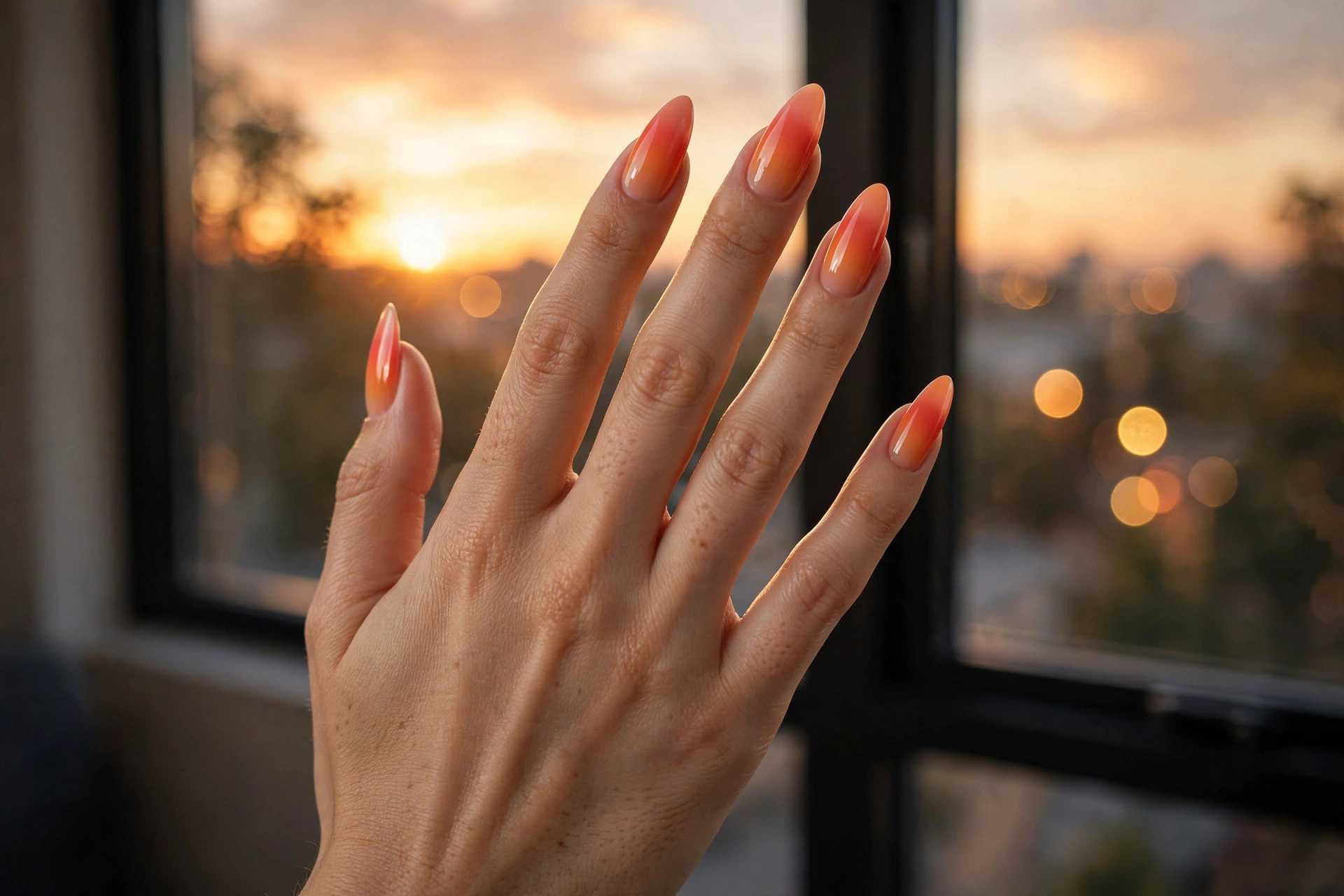
14. Golden Aura
A warm golden glow blooming from the center of each nail, fading out to terracotta edges. The aura trend, done in autumn’s palette.
Why it works: aura nails look complex but are just layered pigment. The gold-to-terracotta version flatters warm undertones and feels expensive without any embellishment.
Difficulty: moderate. Pigment powder or eyeshadow is patted onto a tacky base with a sponge applicator, building from the center outward.
Wearability: aura designs sit under top coat, so they wear like any gel manicure. In regular polish, the powder can dull; gel is the better medium.
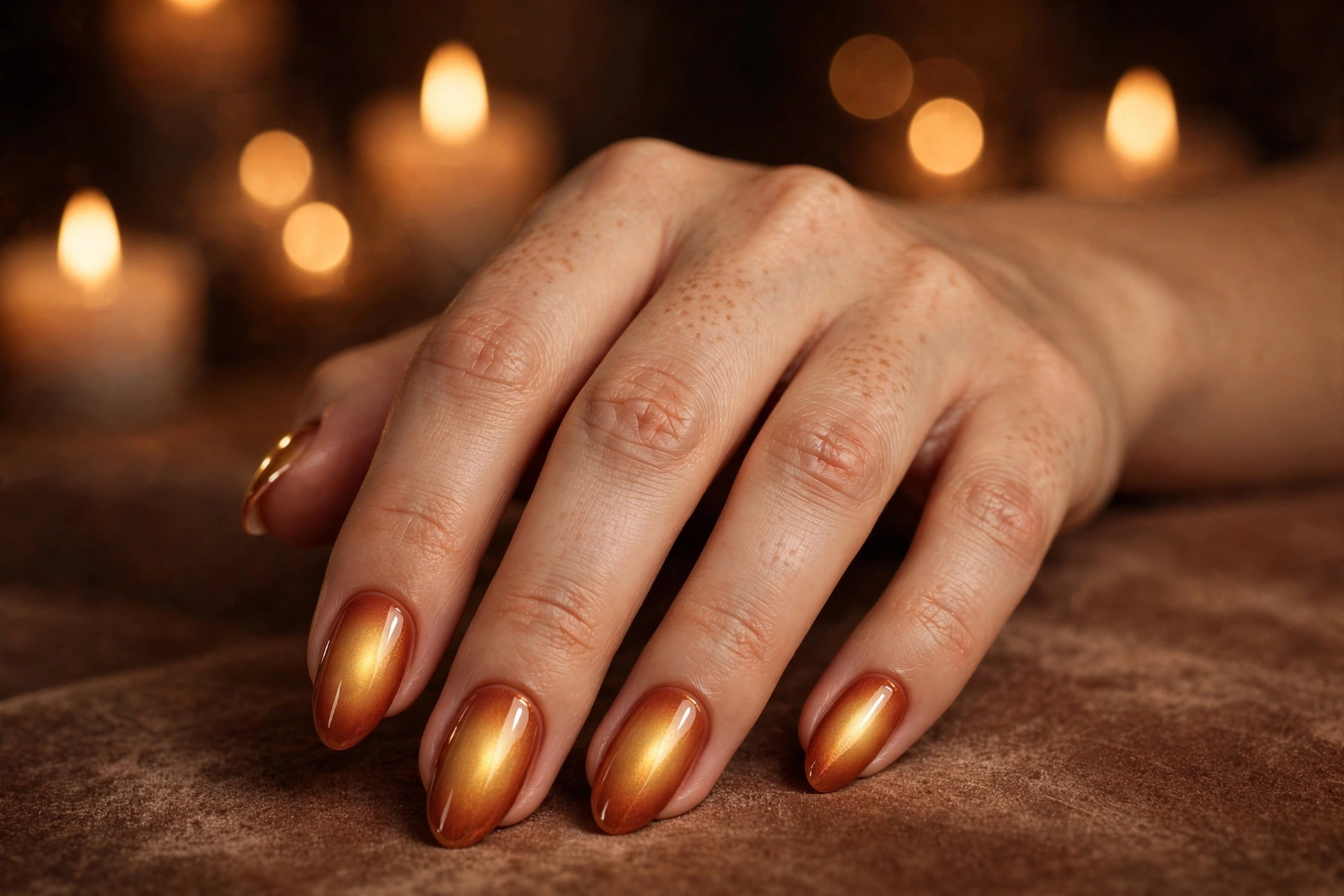
15. Sunrise Fade French
Warm orange tips that fade softly into the nude base instead of stopping at a hard smile line. A French with no edges, like the sun coming up.
Why it works: the soft fade is more modern than a classic French and more wearable than full neon. It suits people who find hard French lines too stark.
Difficulty: moderate to advanced at home. The fade needs sponge work or careful brush blending. Ask your tech for a “baby boomer in orange” and they will know exactly what you mean.
Shape note: short to medium almond. The fade needs a defined tip to read as French rather than just gradient.
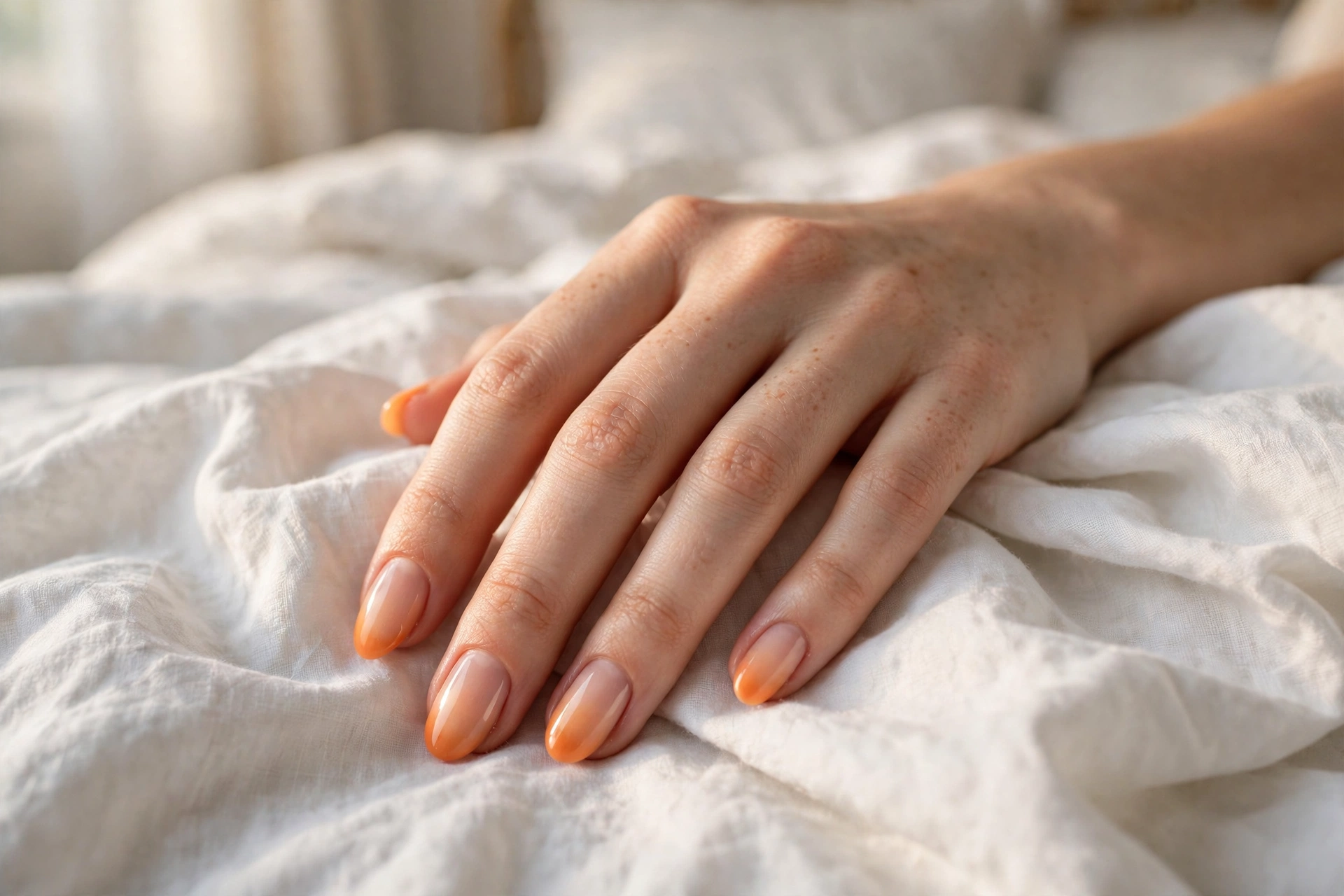
Orange Nail Art and Accents
For when solid orange is not enough. These designs use orange as the star of actual nail art, from painterly florals to graphic patterns.
16. Marigold Painterly Florals
Loose, painterly marigolds in layered oranges and golds on a warm nude base. More art print than nail art, and every nail can be different.
Why it works: marigolds are naturally orange, so the color story feels authentic rather than forced. The painterly style hides brush imperfections as “texture.”
Difficulty: advanced DIY, easy for a nail artist. Layered petals need a light touch and color mixing on the nail.
Wearability: the nude base keeps regrowth invisible. Best as an occasional statement rather than an everyday manicure.
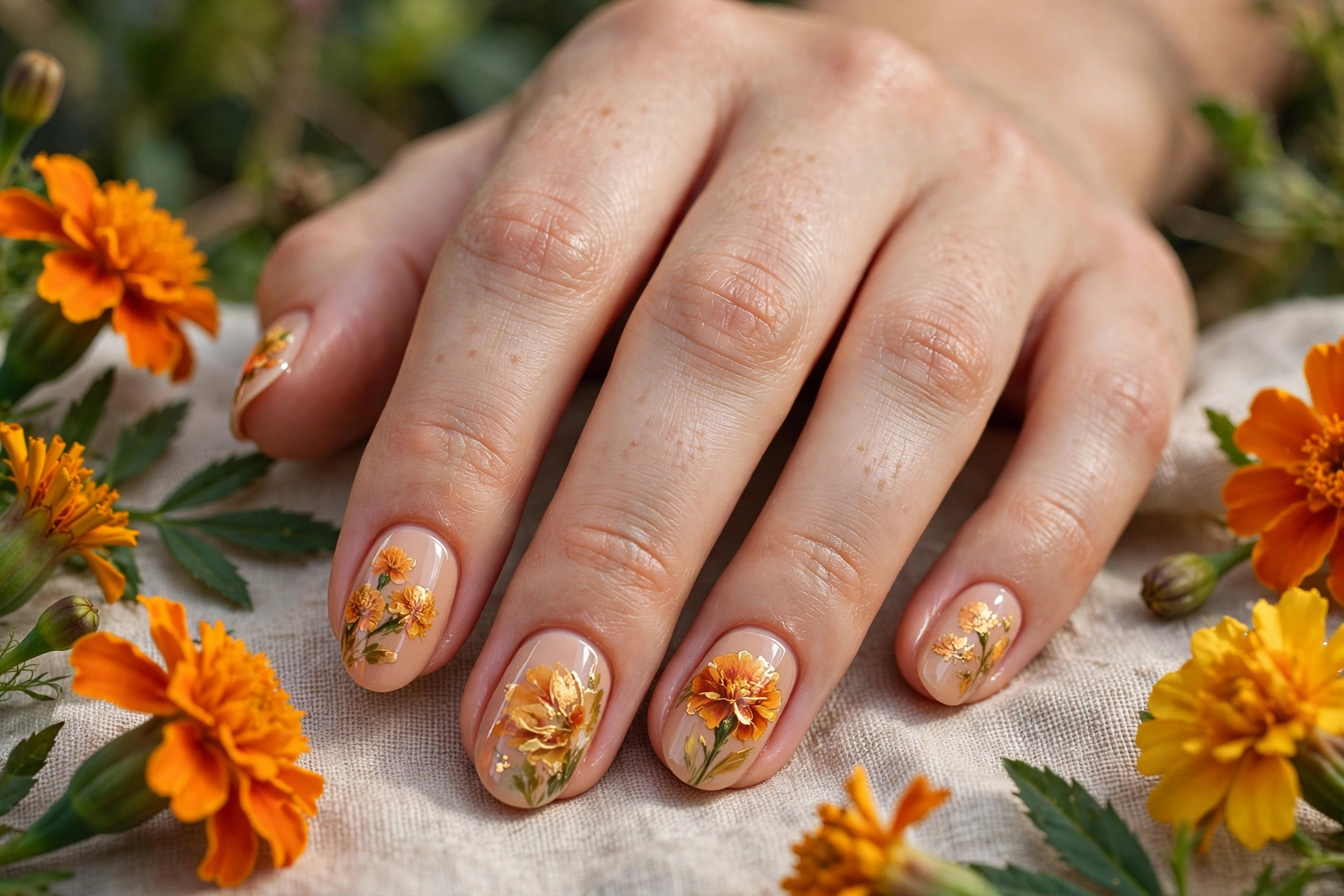
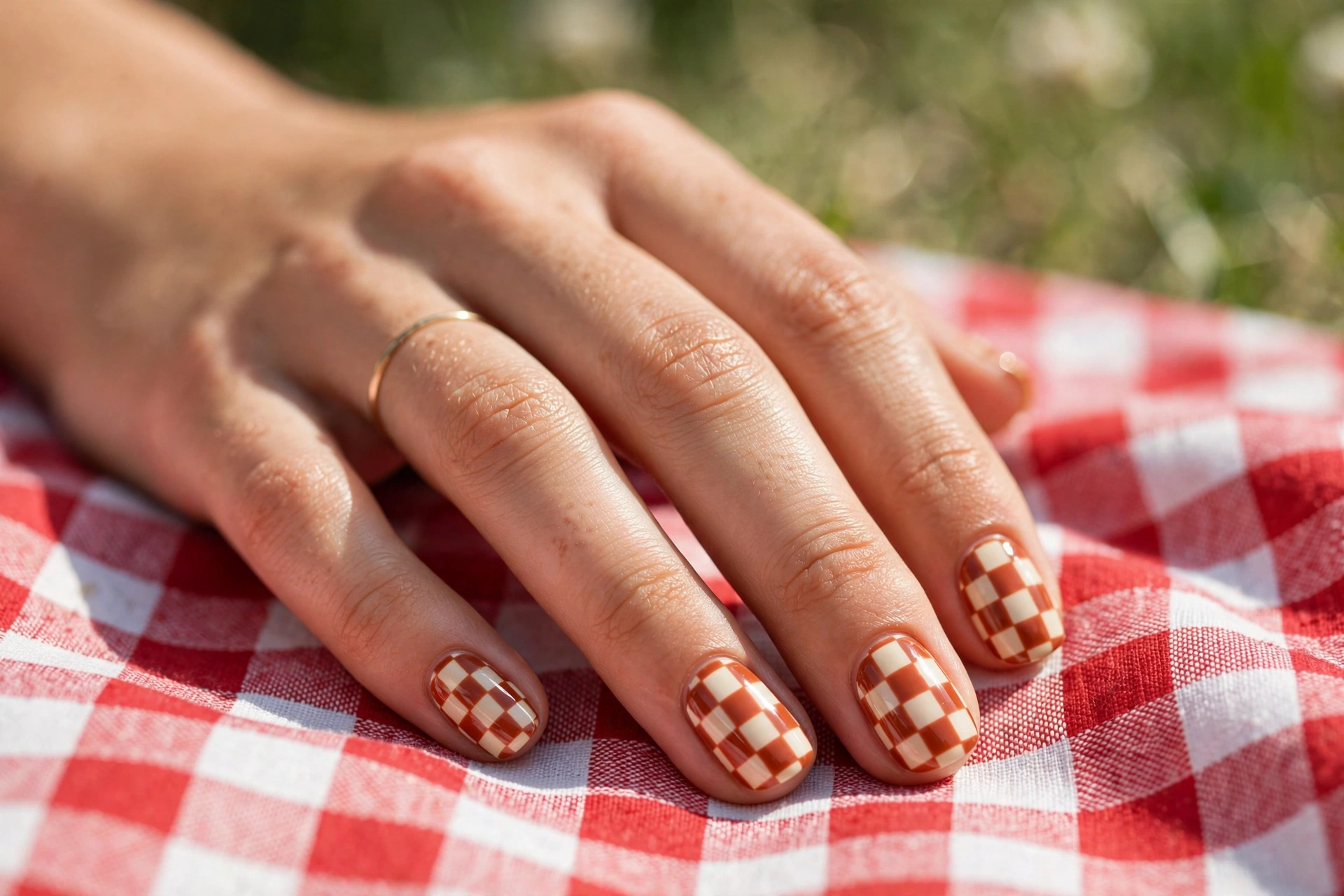
17. Terracotta Checkerboard
Retro checkerboard in terracotta and cream. Graphic, fun, and surprisingly wearable because the warm tones keep it soft.
Why it works: checkerboard is a precision pattern, but the warm color pairing makes it feel playful instead of harsh. Short square nails are the classic canvas.
Difficulty: moderate to advanced. Straight lines and even squares need striping tape or a very steady hand. Our checkerboard nail designs guide covers the methods in detail.
Shape note: short square or squoval. The straight edges of the shape echo the pattern.
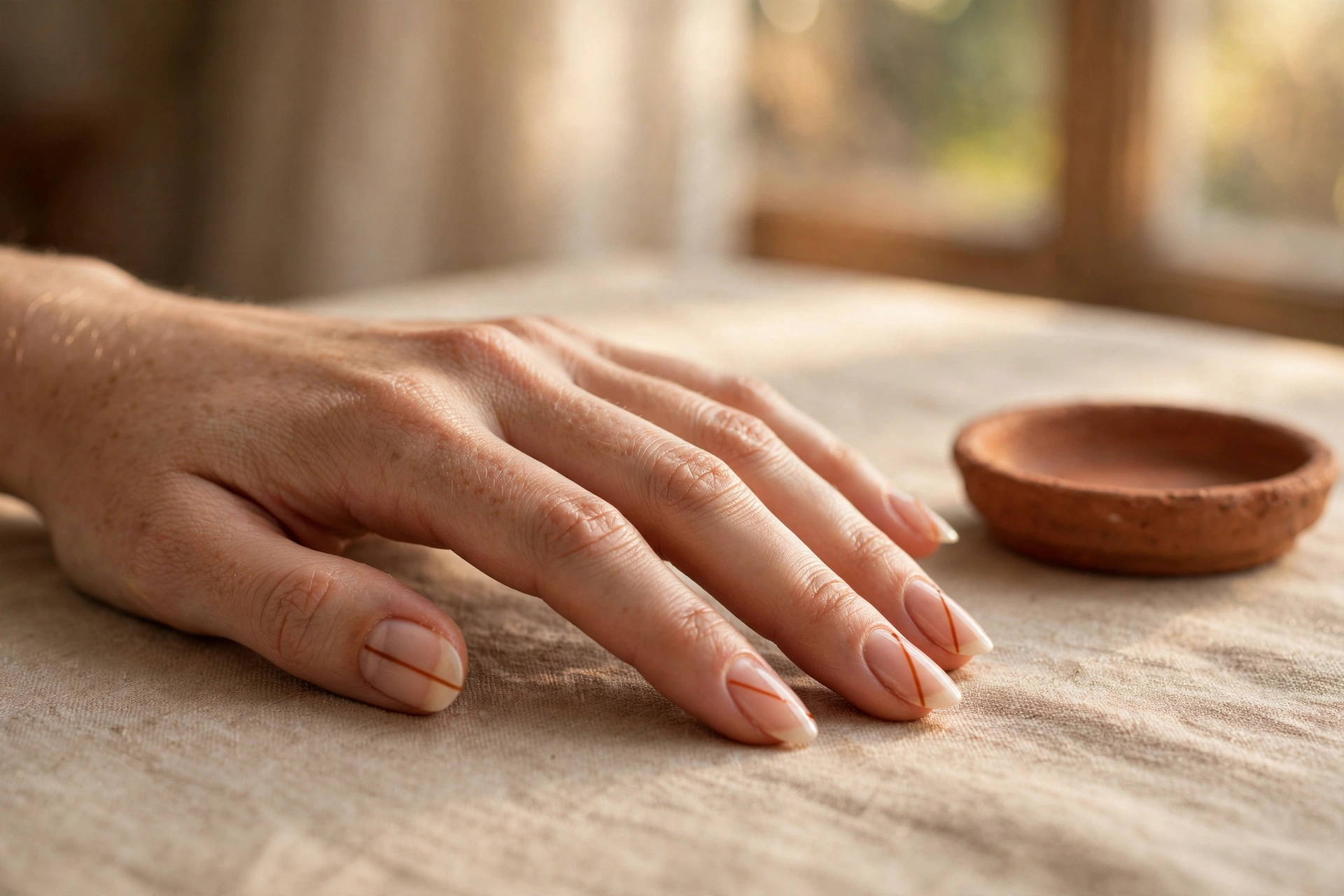
18. Burnt Orange Negative-Space Lines
Minimal burnt-orange linework floating on bare nude nails. One confident line per nail, nothing else. The quietest design on this list and one of the strongest.
Why it works: negative space keeps the look light and modern, and a single color keeps it cohesive. It is the design for people who want orange without committing to orange.
Difficulty: moderate. One line sounds easy, but a single wobbly line has nowhere to hide. Use a long liner brush and pull in one stroke.
Wearability: the bare base shows regrowth the least of any design here. Chips at the tip are the main risk; a strong top coat handles it.
Which Orange Suits You? A Quick Comparison
Orange is not one color. Use this table to find your shade family before you commit.
| Shade family | Best season | Most flattering on | Try it as |
|---|---|---|---|
| Terracotta / burnt orange | Autumn | Warm, olive, and deep skin tones | Solid creams, tortoiseshell |
| Coral | Spring and summer | Neutral to cool undertones; pink-corals suit cool skin | French tips, glossy creams |
| Tangerine / neon orange | Summer | Warm skin glows; striking contrast on deep skin | High-gloss solids, swirls |
| Peach / apricot | Spring | Fair and light skin; sheer formulas suit everyone | Sheer washes, micro florals |
| Blood orange | Late summer to autumn | Medium and olive skin tones | Chrome, glossy solids |
Short Nails? Start With These Five
Orange has a reputation as a long-nail color, but some of the strongest designs on this list were made for short nails, because saturated color reads as intentional rather than unfinished at short lengths. If your nails sit at or just past the fingertip, start here.
Sheer Peach Wash (design 1) is the safest first orange: the translucent formula keeps short nails looking clean and groomed, and regrowth is invisible. Melon Coral Creams (design 4) was written for short squoval: the mid-tone pigment gives full coverage without the tropical feel that creeps in at longer lengths. Burnt Orange Solid Creams (design 9) is the autumn equivalent, deep enough to look deliberate on a short oval. For art on short nails, scale matters more than complexity: the Terracotta Checkerboard (design 17) works because the shape’s straight edges echo the pattern, and Burnt Orange Negative-Space Lines (design 18) needs nothing but one confident line per nail. One rule covers all of them: on short nails, keep French tips thin. A wide tip on a short nail shortens it further; a slim one, like the pumpkin French in design 11 scaled down, lengthens it.
How to Wear Orange Nails Well
A few practical notes before you book the appointment. Match the undertone, not just the color. Orange with yellow undertones flatters warm skin; orange with pink undertones (coral, melon) flatters cool skin. When in doubt, sheer formulas are the safe choice because the pigment is diluted. Prep matters more with orange than with most colors. Warm pigments show ridges and unevenness, so buff smooth and always use base coat; orange is also one of the shades most likely to stain the natural nail, so never skip it. For shape guidance across all these designs, our nail shapes guide breaks down which lengths suit which hands. And if you love warm earthy tones generally, brown nail designs in caramel and espresso sit beautifully next to terracotta.
Choose the finish deliberately. Everything on this list is photographed glossy, but a matte top coat rewrites the deeper oranges completely: burnt orange and rust turn velvety and read almost like suede, which makes them feel more autumnal and more office-appropriate at the same time. Matte is less kind to neons, which lose their electric edge and can look chalky, and it shows tip wear a day or two sooner than gloss. The practical rule: matte for terracotta, rust, and burnt orange; gloss for neon, coral, and anything with chrome or foil in it.
At the Salon: What to Ask For
Orange names get lost in translation at the nail desk, so ask in three parts: shade family, shape, and finish. “Terracotta, short oval, glossy cream finish” gets you design 9 exactly; “coral French on almond, glossy” gets you design 2. For the Blood Orange Chrome (design 6), book a gel appointment and ask for chrome powder burnished over a dark orange gel base: chrome cannot be done in regular polish, and a tech who offers it in regular polish is selling you glitter, not chrome. For the Sunset Ombre (design 13), ask whether the salon airbrushes or sponges; airbrush gives the smoothest blend and is worth choosing the appointment for. Two useful checks before any orange set: ask to see the shade on a nail tip against your own skin, because orange shifts more between bottle and hand than almost any other color, and confirm the salon uses a stain-blocking base coat. If they do not, bring your own. The two minutes that takes is cheaper than a week of stained nail beds.
Frequently Asked Questions
Do orange nails suit all skin tones?
Yes, because orange is a family, not a single shade. Warm undertones glow in terracotta and tangerine; cool undertones look best in pink-leaning corals and melons; deep skin tones carry neon orange strikingly. If you are unsure, start with a sheer peach, which flatters everyone.
What is the difference between terracotta, coral, and tangerine?
Terracotta is a muted, earthy orange with brown undertones, like fired clay. Coral is orange mixed with pink, brighter and cooler. Tangerine is a vivid, juicy orange, close to the fruit. They sit at different points on the warm spectrum and suit different seasons and undertones.
Do orange nails stain the natural nail?
They can. Orange and red pigments are among the most staining, especially in regular polish. A proper base coat is non-negotiable, and removing polish promptly rather than letting it chip and sit helps. Gel orange rarely stains because the color is sealed under top coat.
How do I make neon orange polish last longer?
Start with a white base coat to make the neon pop and grip better, apply thin coats, and cap the free edge with every layer including top coat. Neons fade in sunlight and pool water, so reapply a UV-protective top coat every two to three days. Gel neon lasts two to three weeks with minimal fading.
Are orange nails appropriate for the office?
The softer oranges absolutely are. Sheer peach, terracotta, and coral French tips read as polished and professional. Save neon tangerine and bold nail art for weekends unless your workplace is creative. Burnt orange in a short, neat shape is the safest bold option for conservative offices.
What colors go with orange nails?
Orange pairs naturally with neutrals: cream, beige, camel, brown, and black all work. Gold jewelry enhances warm oranges beautifully, while white clothing makes coral and tangerine pop. Avoid pairing neon orange with competing neons unless that clash is the point.
Can I wear orange nails in autumn and winter?
Autumn is arguably orange’s best season. Burnt orange and terracotta are made for it, pairing with knitwear, leather, and boots. In winter, deeper rust and blood-orange tones work; the bright neons are better saved for summer sun.
Can I wear orange nails to a wedding?
Yes, in the softer half of the family. Coral French tips and sheer peach are polished enough for any dress code, and terracotta is a natural match for autumn weddings and bridesmaid palettes built around rust, sage, or champagne. As a guest, the only real rule is contrast: avoid neon tangerine, which photographs louder than everything around it. If you are in the wedding party, match the undertone of your orange to the bouquet or dress fabric rather than matching the exact shade.
How do I remove orange stains from my nails?
Start with the gentlest fix: a soft buffer used lightly over the stained surface removes most surface pigment in seconds. For deeper staining, soak your nails for five minutes in warm water with a squeeze of lemon juice, or make a paste of baking soda and water, apply it for two to three minutes, and rinse. Both lift pigment gradually, so repeat over a few days rather than scrubbing harder. If the nail also feels dry or ridged afterward, that is the buffing, not the stain: cuticle oil nightly for a week restores it. Prevention is still easier; the base-coat rule above exists because orange pigment binds to bare keratin faster than almost any other color.
Which color is complementary to orange?
Blue. On the color wheel, blue sits directly opposite orange, which is why navy, denim, and teal make orange nails look more vivid without adding a second loud color. You rarely need the blue on the nails themselves: a navy outfit, a denim jacket, or one teal accent nail against a burnt orange set is enough. Turquoise is the summer version of the same trick, and it is why neon tangerine looks so at home against pool water in design 5.