Gel Nails: 18 Ideas for a Glossy, Long-Lasting Mani
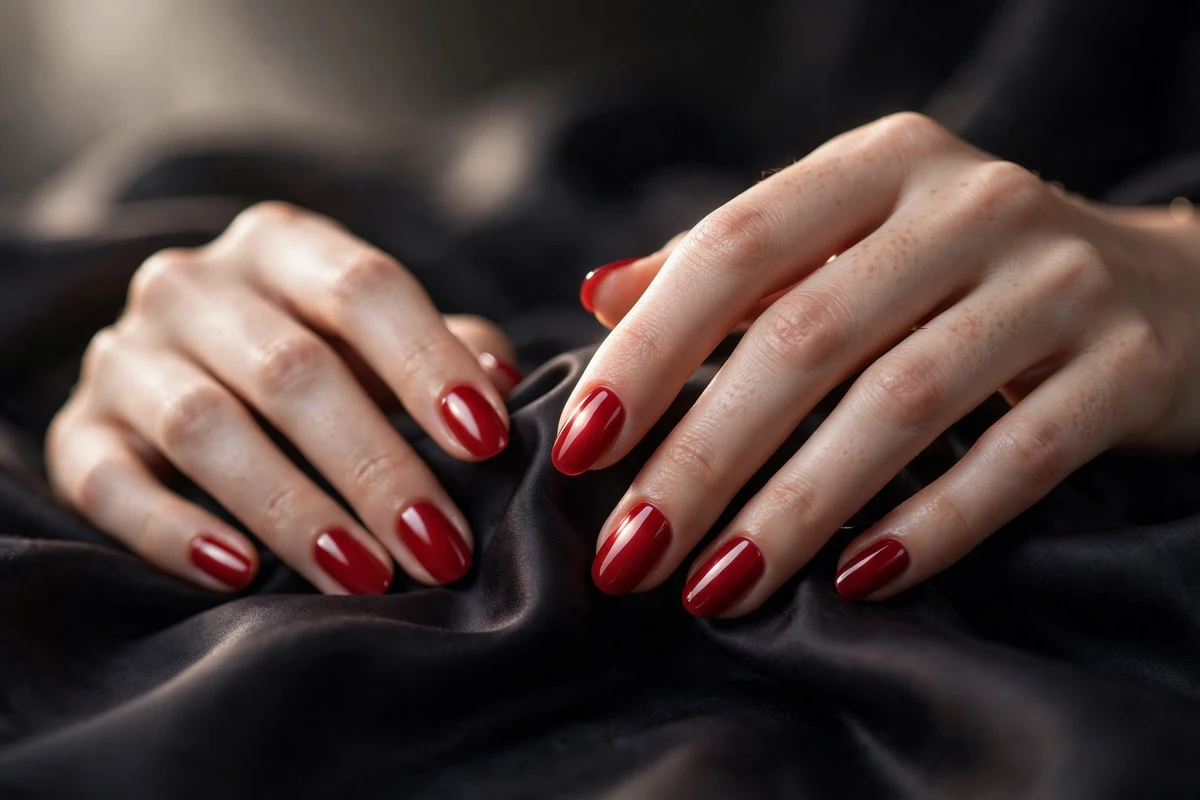
Gel nails are manicures made with a special gel formula that hardens under a UV or LED lamp, giving you glossy, chip-resistant color that lasts two to four weeks. This guide covers 18 gel nail designs worth trying, plus what gel actually is, how soft and hard gel differ, and how to keep your nails healthy under the system.
What Are Gel Nails, Exactly?
A gel nail is any manicure built from oligomer gel that cures (hardens) under UV or LED light. Unlike regular polish, which air-dries, each layer of gel sets in 30 to 60 seconds under an LED lamp, so the finished nail is dry the moment you leave the chair and stays glossy for weeks.
The word “gel” actually covers a family of systems, and knowing which one you are getting matters more than the color you pick. Here is how they compare:
| Gel type | What it is | Typical wear | Best for | Removal |
|---|---|---|---|---|
| Gel polish (soft gel) | Colored gel painted on like polish over the natural nail | 2 to 3 weeks | Glossy color and shine on natural nails | Soaks off in acetone |
| Builder gel / BIAB (soft) | Thick, self-leveling gel that strengthens the natural nail | 3 to 4 weeks | Growing out natural nails with added strength | Soaks off in acetone |
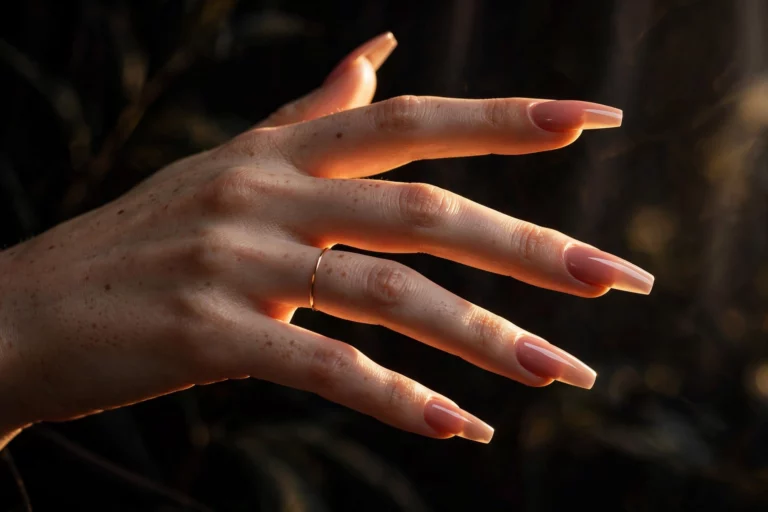
| Hard gel | Dense gel sculpted over the nail or a form | 3 to 4 weeks | Added length and sculpted shapes like stiletto or coffin | Filed off by a nail tech |
| Soft gel tips | Pre-shaped full-cover tips bonded with gel | 3 to 5 weeks | Quick, uniform extensions | Soaks off in acetone |
| Polygel | A gel-acrylic hybrid sculpted with a slip solution | 3 to 4 weeks | Lightweight but durable extensions | Filed down, then soaked |
Most of the designs below are gel polish or builder gel looks, since those are the systems most readers actually wear. Where a design needs structure, like long sculpted shapes, the item notes it.
Soft Gel vs Hard Gel: The Quick Difference
Soft gel is flexible and porous, so it moves with your natural nail and can be soaked off in acetone. Hard gel is rigid and non-porous, so it supports extensions and sculpted shapes but must be filed off by a professional.
Choose soft gel when your goal is color, shine, or gentle strengthening of your natural nails, especially if you like to change colors often. Choose hard gel when you want real added length, a dramatic shape, or a set that needs to survive heavy daily wear. One practical difference: never try to peel or pry off either system. Peeling lifts layers of your natural nail with it, which is where most “gel damage” actually comes from.
Glossy Gel Color: The Classics, Perfected
Gel polish exists for exactly this: rich, glassy color that looks wet for weeks. These five are the shades salons apply on repeat because the gel finish makes them better than any regular polish could.
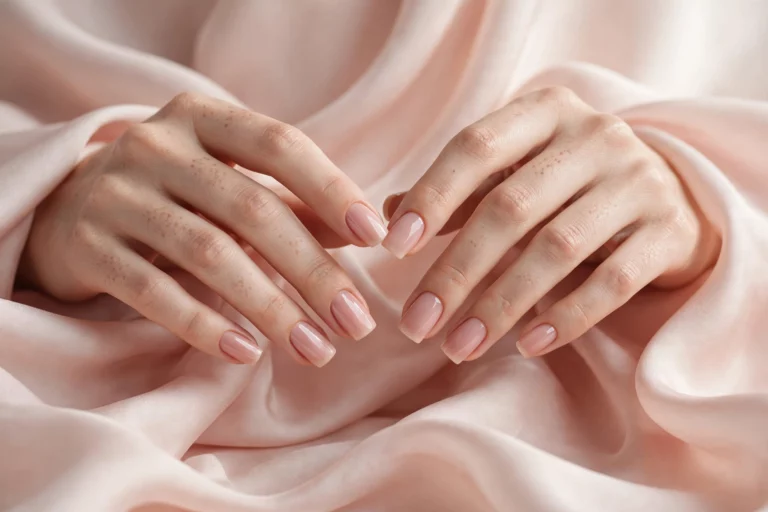
1. Sheer Nude Gloss
A translucent nude gel that lets the natural nail show through, finished with a high-shine top coat. It is the “your nails but better” look and the single most requested gel service for job interviews, weddings, and everyday wear.
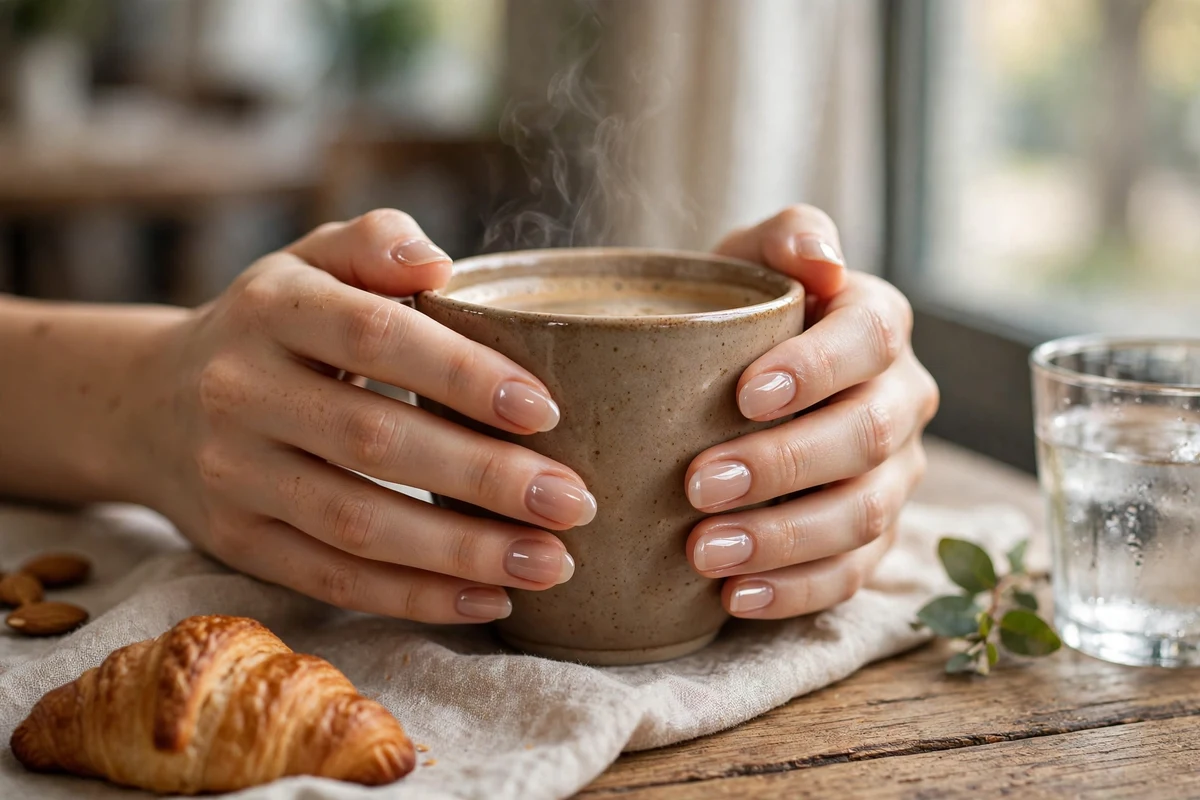
Ask your tech for one sheer coat rather than two, since gel self-levels and a second coat can turn sheer nudes opaque. Almond or oval shapes keep the look soft; short lengths make it office-proof. Wearability is excellent, and grow-out is nearly invisible, so this is also the easiest gel set to maintain.
2. Cherry Red Gloss
A true blue-red gel polish with a mirror shine. Cherry red is the shade that made gel famous, because the glossy finish keeps the color looking freshly applied long after regular polish would dull.
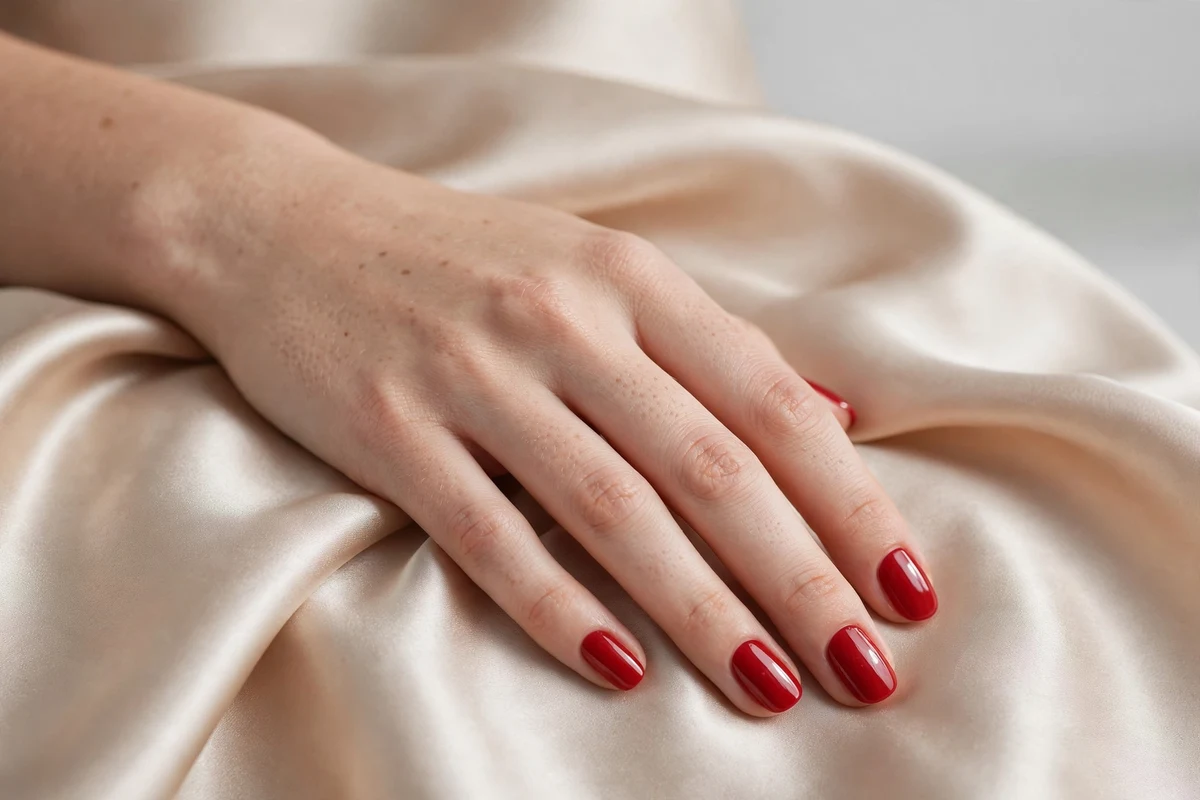
Red shows imperfections, so clean cuticle work matters more here than with any other color. Medium almond or coffin shapes give red its classic drama; keep the free edge neat since chips show first at the tip. If you are new to gel, start here: one color, zero art, maximum payoff.
3. Deep Burgundy Gloss
Wine-colored gel with a wet-look top coat. Burgundy sits between red and brown, which makes it flattering across skin tones and wearable from the office to evening.
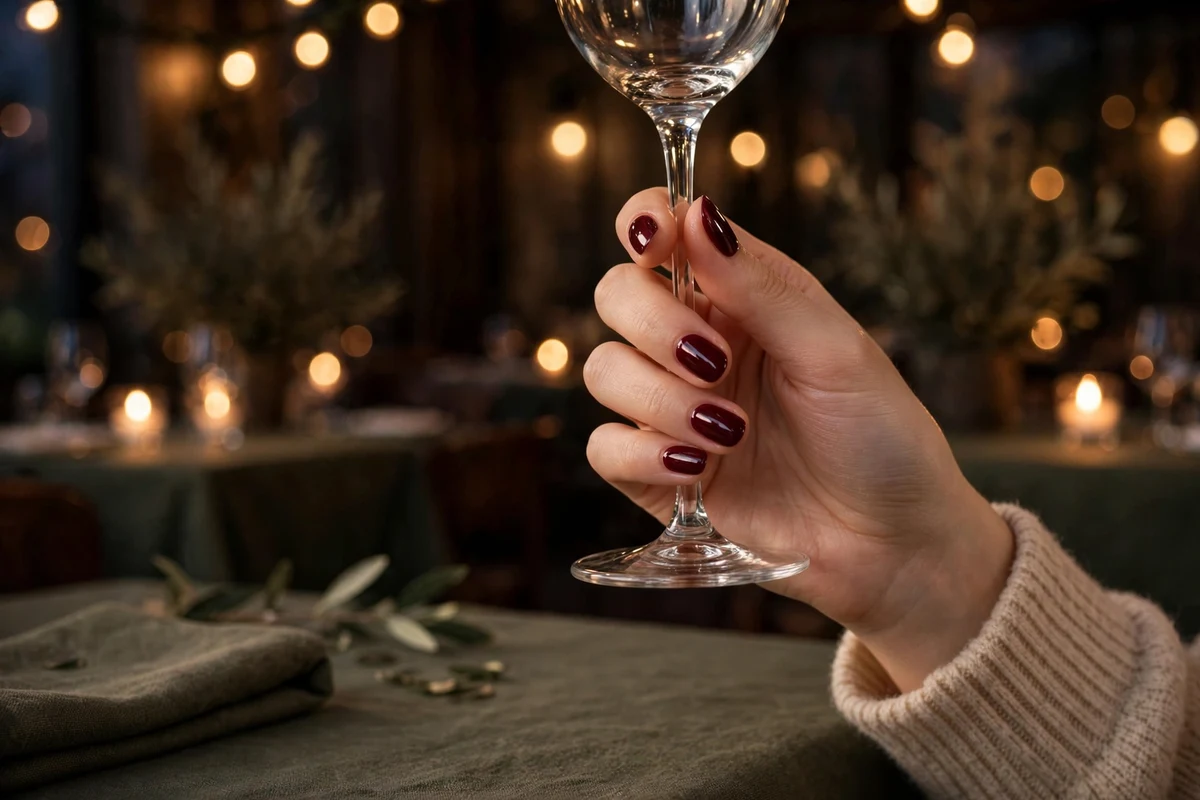
Gel gives burgundy a depth that regular polish loses within days, so this color genuinely benefits from the system. It suits medium to long nails best, where the dark color has room to glow. Pair it with gold jewelry and you have an instant evening set with no art required.
4. Espresso Gloss
Dark chocolate-brown gel polished to a liquid shine. Espresso is the modern neutral: softer than black, richer than nude, and endlessly wearable.

This is a forgiving first dark shade because the brown reads softer than black at every length. Short square or squoval nails keep it chic rather than goth; a glossy top coat is non-negotiable, since matte browns can look flat. For more dark-shade inspiration, see our brown nail designs.
5. Milky White Gloss
A soft white gel with a milky, semi-sheer finish and full gloss. It brightens the hands without the starkness of opaque white, and the gel finish keeps it from yellowing the way regular white polish can.
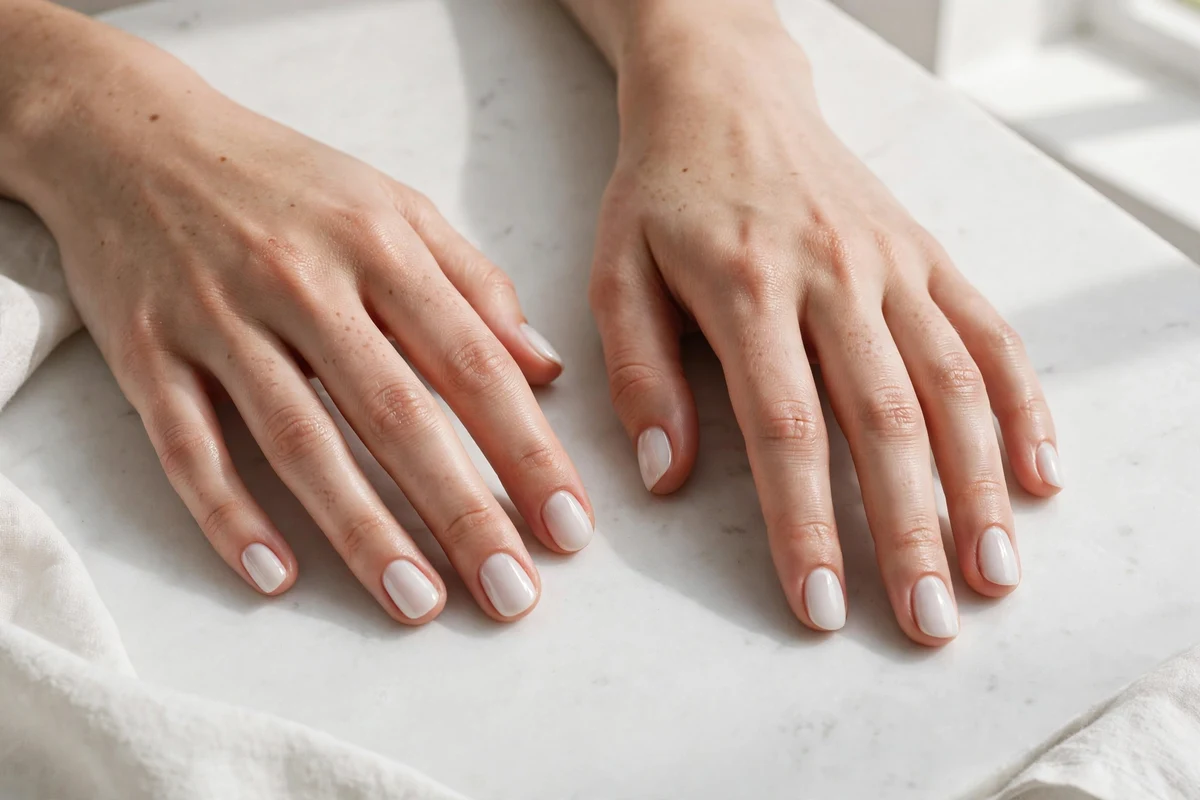
Milky white is the easiest light color to wear in gel because the translucency hides application streaks. Two thin coats give the classic milky effect; three turn it nearly opaque. Short to medium lengths look cleanest. Explore the full look in our milky nail ideas.
Gel French & Ombré
The French manicure and the gel system grew up together, and gel is still the best medium for both: the white tip stays bright, the smile line stays crisp, and nothing smudges while it cures.
6. Classic White French in Gel
A sheer pink or nude gel base with a crisp white tip, sealed in gloss. In gel, the French lasts three weeks without the tip wear that ruins a regular-polish French in days.
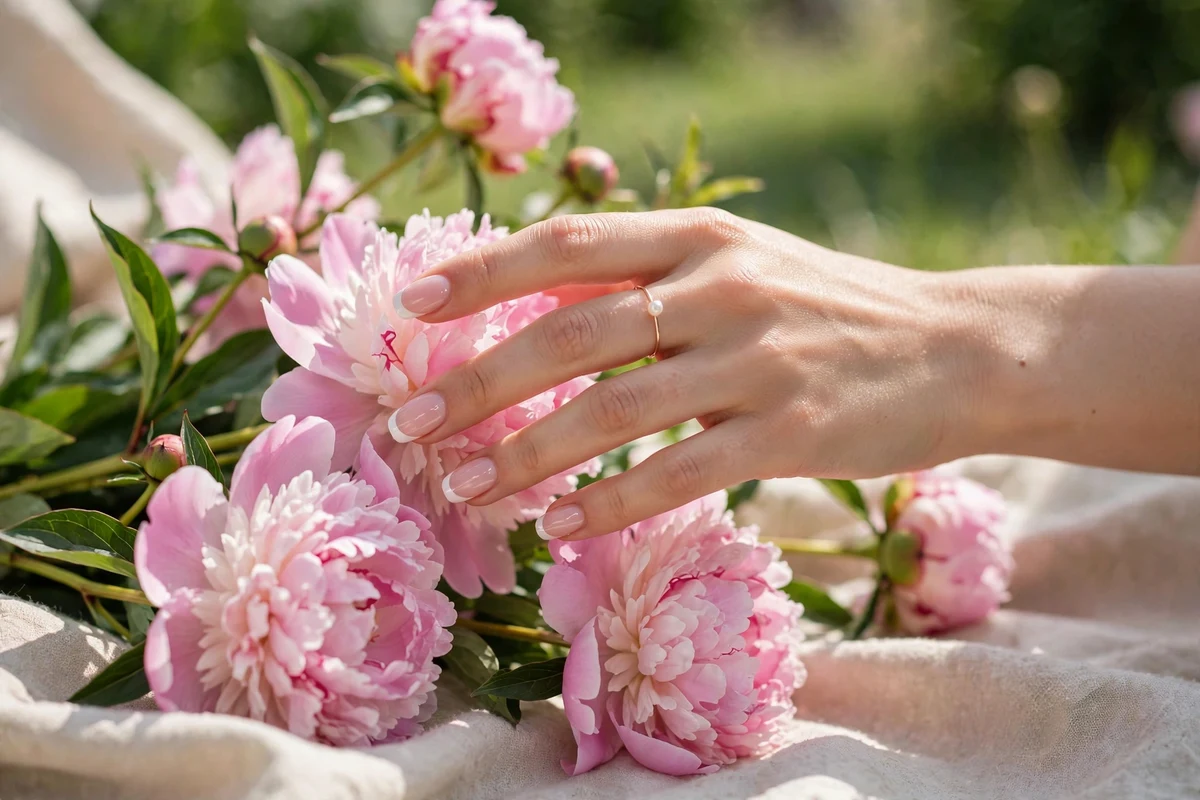
The smile line is everything here. Ask for a slightly deeper smile line than you think you want, since gel’s thickness softens the curve visually. Almond and coffin shapes show off the tip best. This remains the most booked bridal nail in the gel world for a reason.
7. Micro French
A whisper-thin white line at the very edge of the nail over a sheer nude gel base. The micro French is the minimalist answer to the classic, and gel’s precision makes the fine line possible.
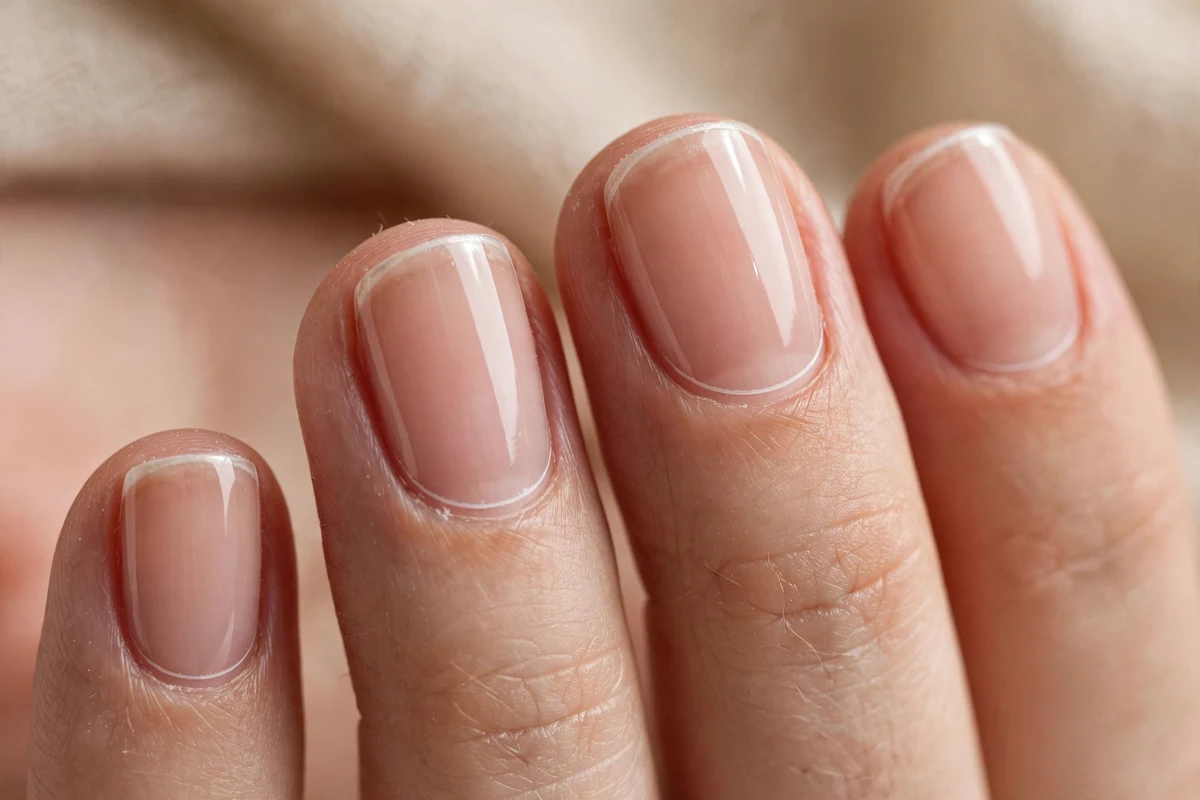
This suits short nails beautifully, where a full French can overwhelm the nail bed. Keep the base sheer and the line truly thin: a thick “micro” tip just looks like a regular French done badly. Difficulty is moderate, so show your tech a reference photo.
8. Babyboomer (French Ombré)
A seamless fade from sheer pink at the cuticle to soft white at the tip, blended in gel. The babyboomer is the French for people who find smile lines too stark.
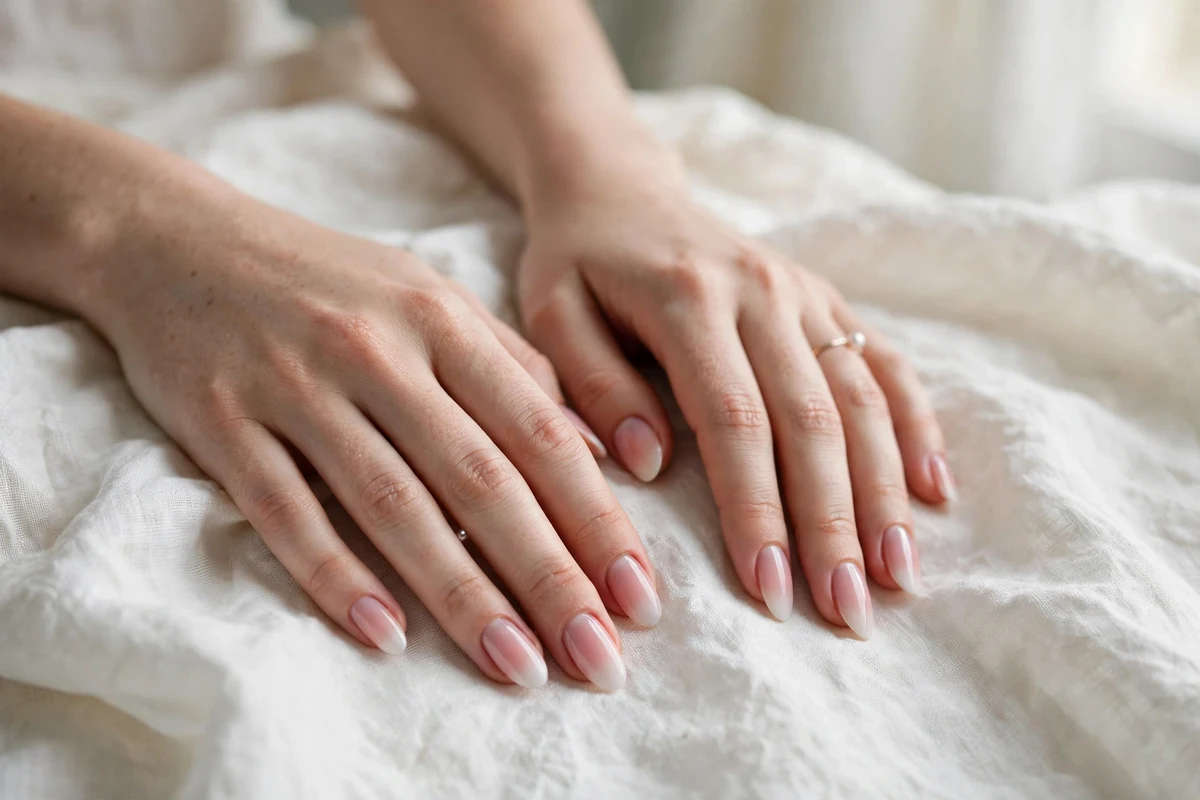
Techs usually create the fade by sponging or airbrushing gel before curing, so this is a salon look rather than a DIY first project. It flatters every nail shape and every skin tone, and grow-out is invisible, which makes it one of the lowest-maintenance statement sets. For more gradient ideas, browse our ombre nail designs.
9. Colored French Tips
The French structure with the white swapped for color: black tips, chrome tips, or a different pastel on each nail. Gel makes this playful version wearable because the color stays saturated for weeks.
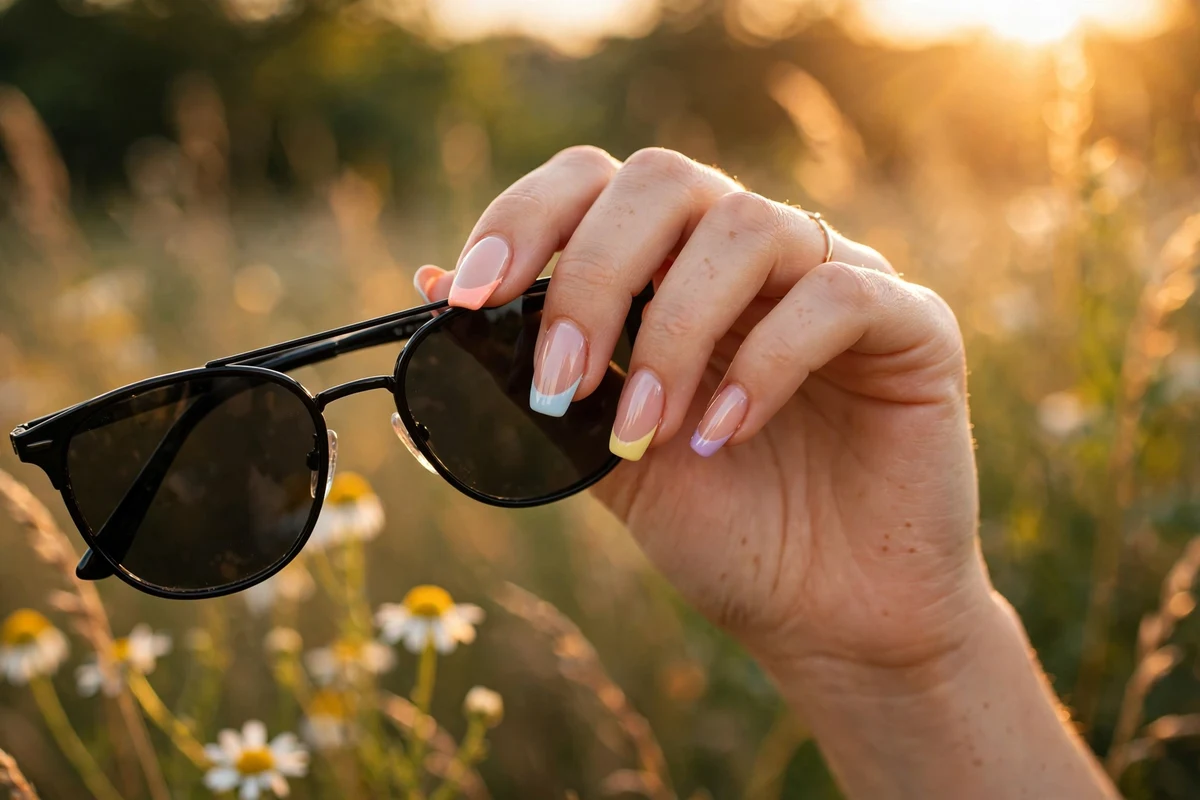
Keep the base sheer nude so the colored tips stay the star. Skittle tips, a different shade per nail, are the easiest way to wear multiple colors without committing to a full set of any of them. Short almond or square nails keep the look modern.
10. Nude-to-Pink Ombré
A soft vertical gradient melting from nude at the cuticle to pink at the free edge, done in gel. It reads as a blush-toned neutral from a distance and a deliberate design up close.
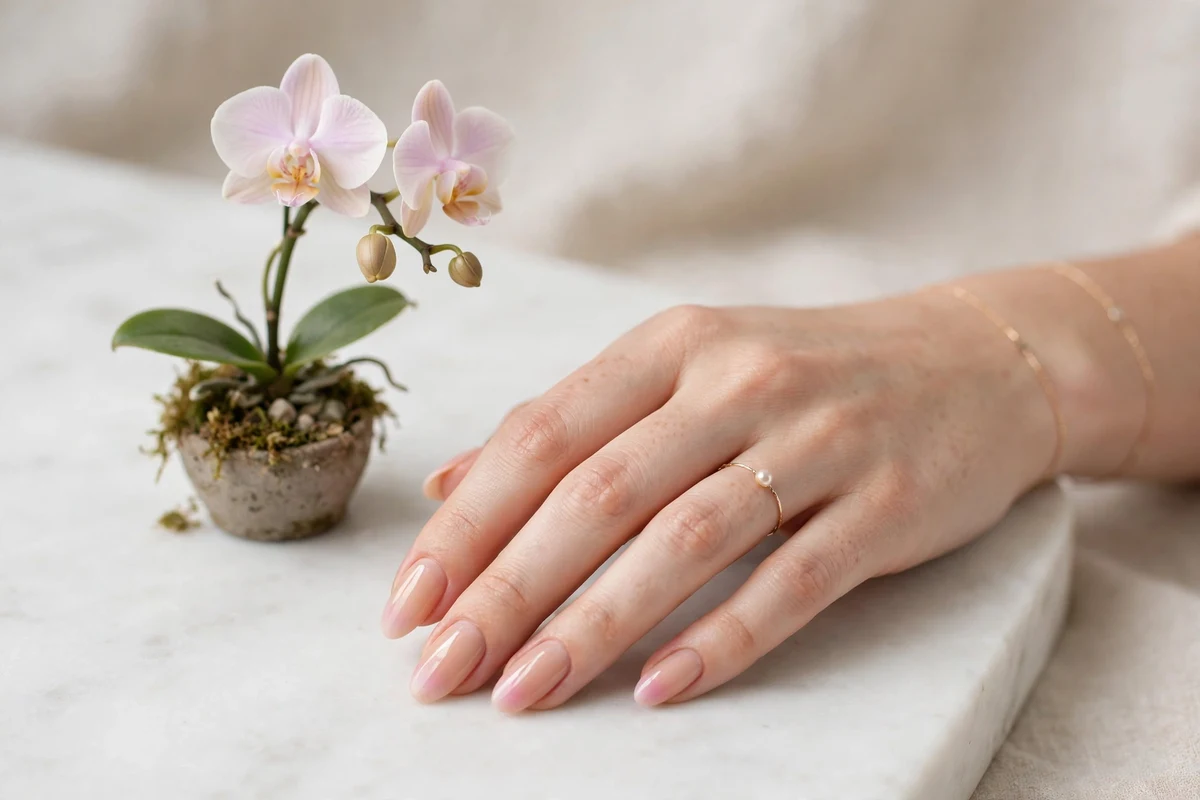
The ombre hides tip wear better than any solid color, which makes it practical as well as pretty. It works at any length, though medium almond shows the gradient best. Two similar-toned gels blend more smoothly than high-contrast pairs, so keep the shades close.
Gel Nail Art That Uses the System
Some nail art only exists because of gel. These five techniques lean on what gel does best: staying workable until cured, blending wet-on-wet, and holding chrome, glitter, and 3D texture without chipping.
11. Blooming Gel Florals
Soft watercolor-style flowers created by dropping gel color onto a wet blooming-gel base, which spreads the pigment into petal shapes on its own. The gel does the artistry for you.
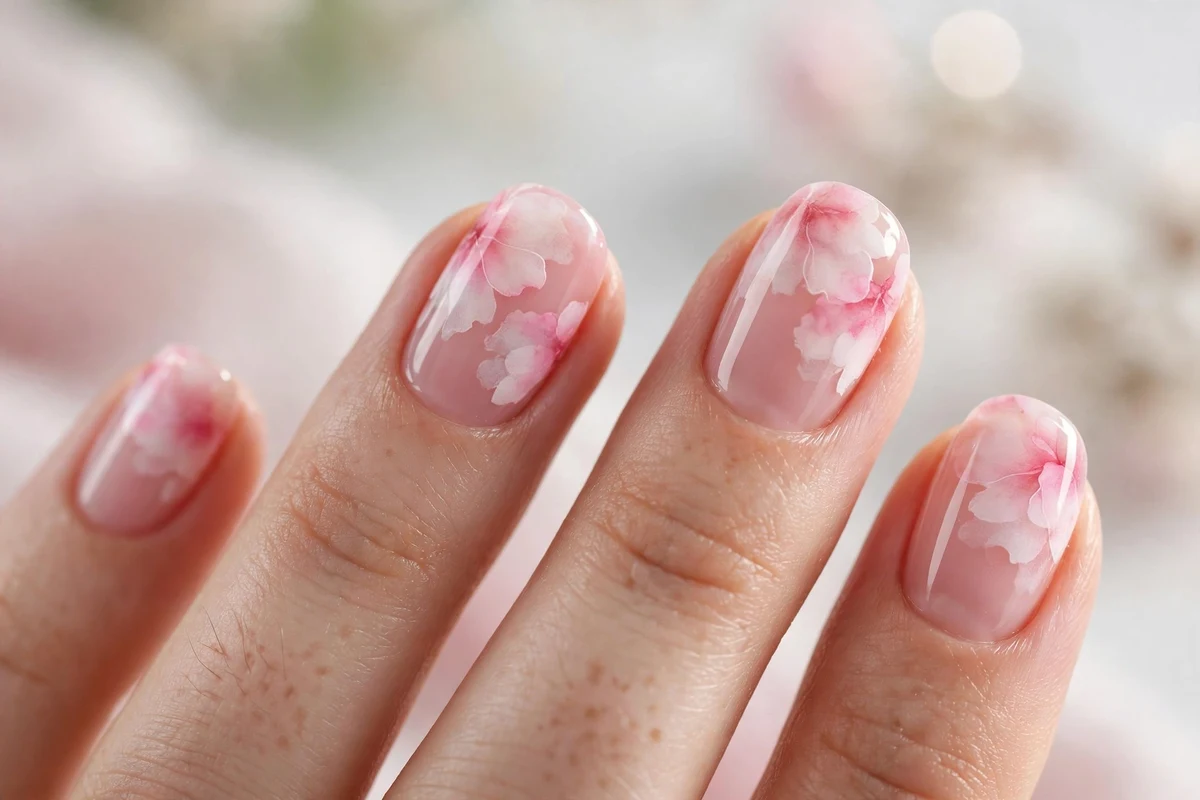
This is the most beginner-friendly gel art: place dots of color on the uncured blooming layer and watch them feather into flowers before you cure. Keep the base sheer pink or nude and add one floral accent nail per hand, or go full set for a garden effect. A glossy top coat melts everything together.
12. Chrome Over Gel Color
Mirror or glazed chrome powder rubbed over a cured gel color, then sealed with gel top coat. The result is a liquid-metal shine that regular polish simply cannot hold.
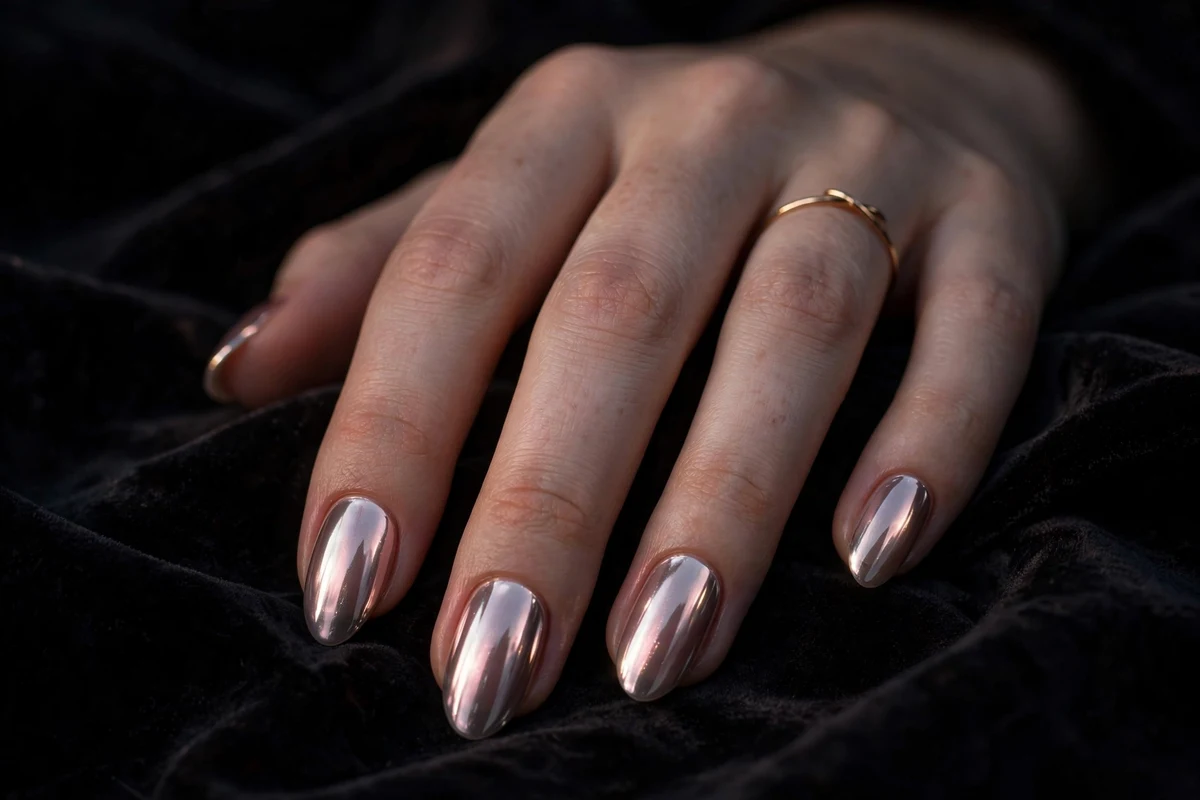
Chrome needs a perfectly smooth gel base, so this is a salon-strength look: any ridge in the color shows through the mirror. Nude and pink bases give the glazed, lit-from-within effect; dark bases give a true mirror. Our glazed donut nail ideas cover the viral version in full.
13. Gel Glitter Gradient
Glitter gel faded from a dense sparkle at the tip to a sheer base, cured layer by layer. Gel suspends glitter evenly and seals it glass-smooth, so the gradient looks professional instead of gritty.
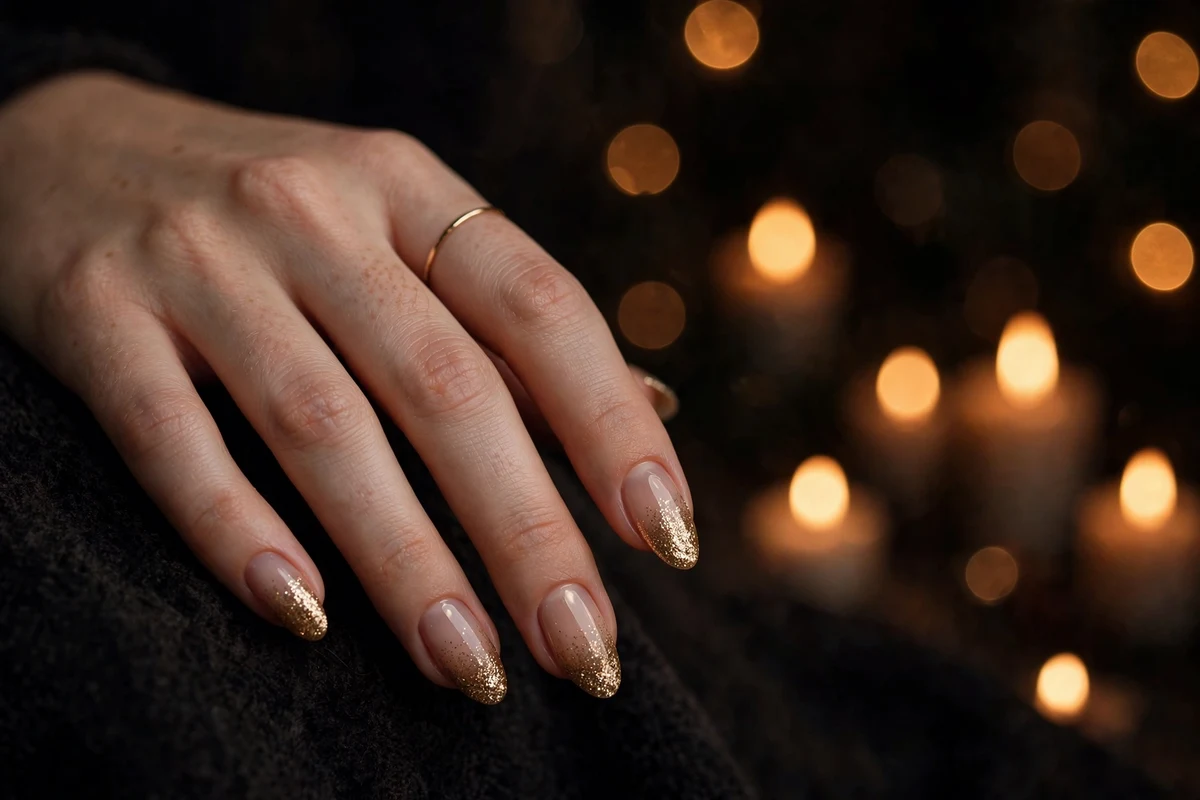
Apply the glitter gel heaviest at the free edge and feather it down with a clean brush before curing. One glitter coat is elegant; two is party-ready. This is a great grow-out design because the sheer base hides regrowth. See more sparkle in our glitter nail designs.
14. Aura Gel Nails
A soft, airbrushed halo of color blooming from the center of the nail, sealed in gel. The aura effect is done by sponging gel pigment over the base before curing, which gives the color its cloudy, glowing edge.
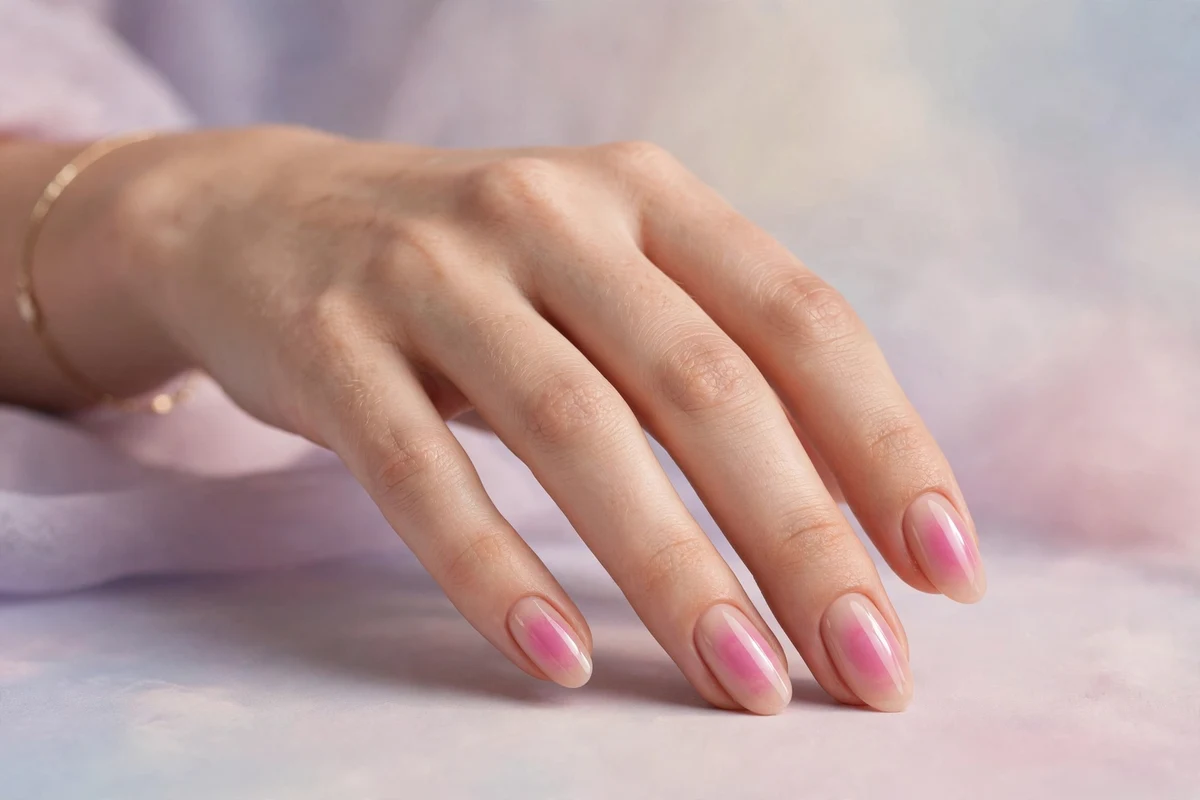
Keep the center color one or two shades deeper than the base for the true aura glow; high-contrast combos look graphic instead of dreamy. Pink, purple, and blue auras are the most wearable. This suits medium almond nails, where the halo has space to bloom.
15. Watercolor Marble in Gel
Stone-like veining painted into wet gel and cured in place. Because gel stays workable until it hits the lamp, techs can drag, swirl, and feather the veins to a realism that air-dried marble rarely reaches.
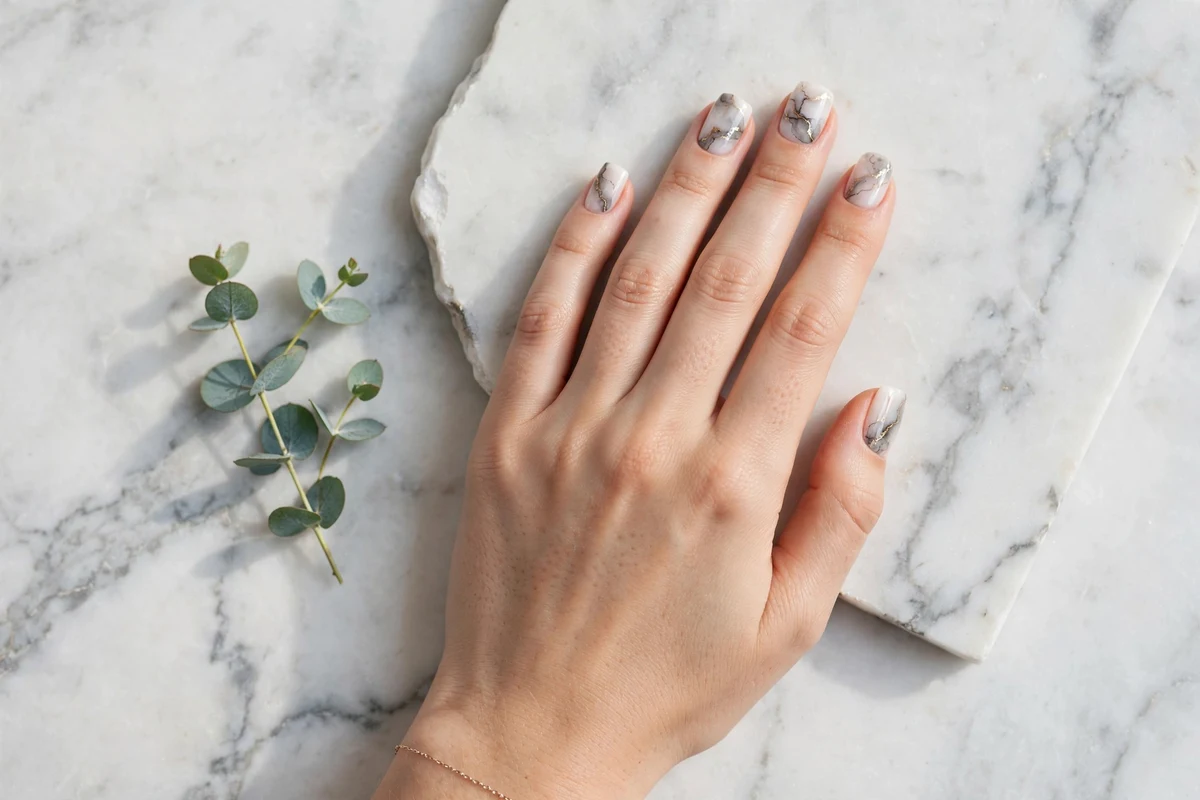
White and grey veining over a milky base is the classic; adding a fine gold vein turns it into a statement. Do two or three marble accent nails with solid milky nails between them so the set stays elegant. Our marble nail designs go deeper on stone looks.
Trending Now in Gel: Cat-Eye, Velvet & Tortoiseshell
Three finishes are dominating gel requests right now, and all three exist because of how gel behaves before it cures. Cat-eye (velvet) nails use a magnetic gel polish: while the layer is still wet, your tech holds a small magnet over the nail and pulls fine metallic particles into a soft band of light that shifts as your hand moves. Deep green, burgundy, and navy show the effect most dramatically; on a sheer pink base it reads as a gentle glow. Ask for it by name — “cat-eye gel” — and expect it to cost little or no more than regular gel color, since it is a polish, not an add-on structure.
Tortoiseshell is the autumn classic gel was made for: amber, honey, and dark brown gels are layered and lightly swirled while wet, then cured, so the pattern sits at different depths like real shell. It suits almond and oval nails and pairs with the espresso and burgundy solids above. Velvet nails are cat-eye’s softer cousin — the magnet is used to spread the shimmer evenly across the whole nail instead of a single stripe, giving a crushed-velvet glow with no glitter texture. If you want one trend to try first, make it cat-eye on a dark base: it is the most photographed gel finish of the year for a reason.
Natural-Look Gel: Builder & BIAB
Not every gel set is about color. Builder gel and BIAB (builder in a bottle) add a thin, strengthening layer over your natural nails, and the current trend is to wear that structure nearly bare.
16. Sheer Builder Overlay (BIAB)
A self-leveling builder gel in a sheer pink or nude, worn as the finished look. BIAB builds a perfect apex, the curved architecture that keeps nails from snapping, while looking like nothing at all.
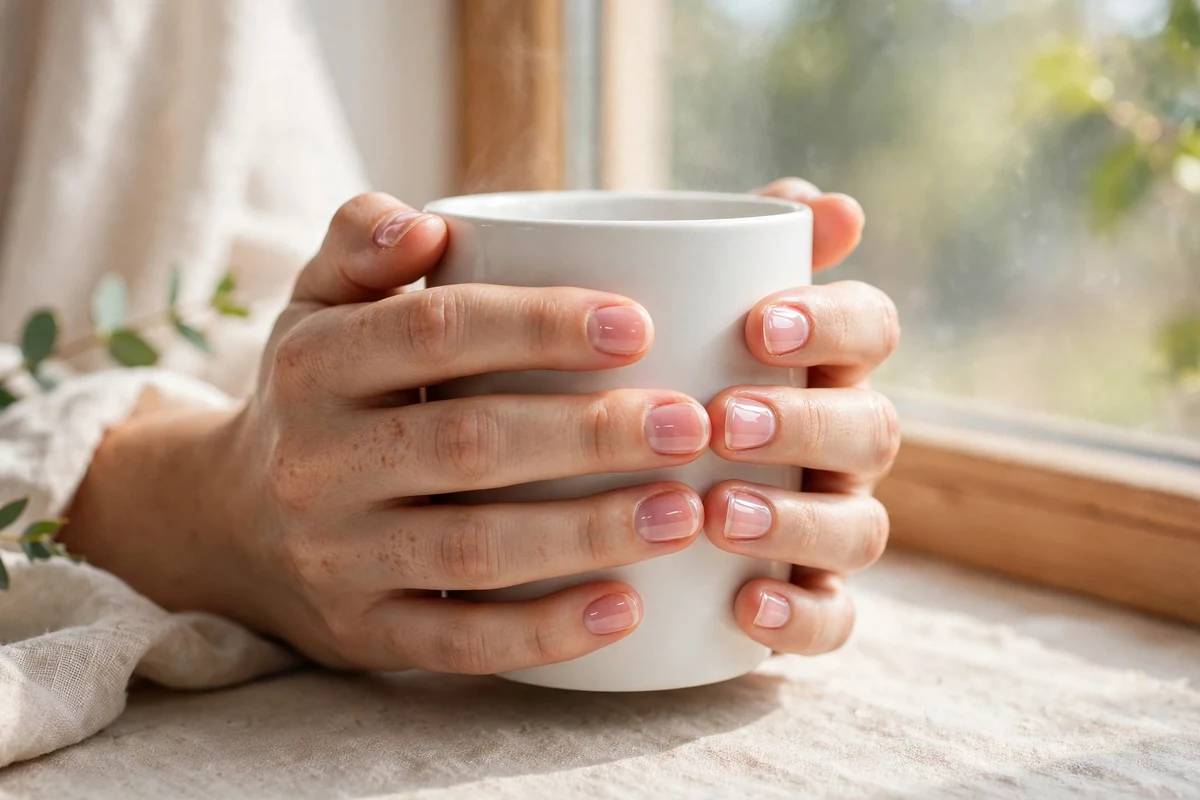
This is the set for growing out your natural nails: the builder layer protects the free edge while the nail grows underneath. Keep nails short to medium while growing; the sheer finish hides the awkward in-between lengths. Cuticle oil daily is what makes this set last its full three to four weeks.
17. Lip Gloss Nails
An ultra-sheer, ultra-glossy pink gel that looks exactly like lip gloss on the nail. The effect comes from a translucent jelly-like gel layered thin and finished with the glossiest top coat available.
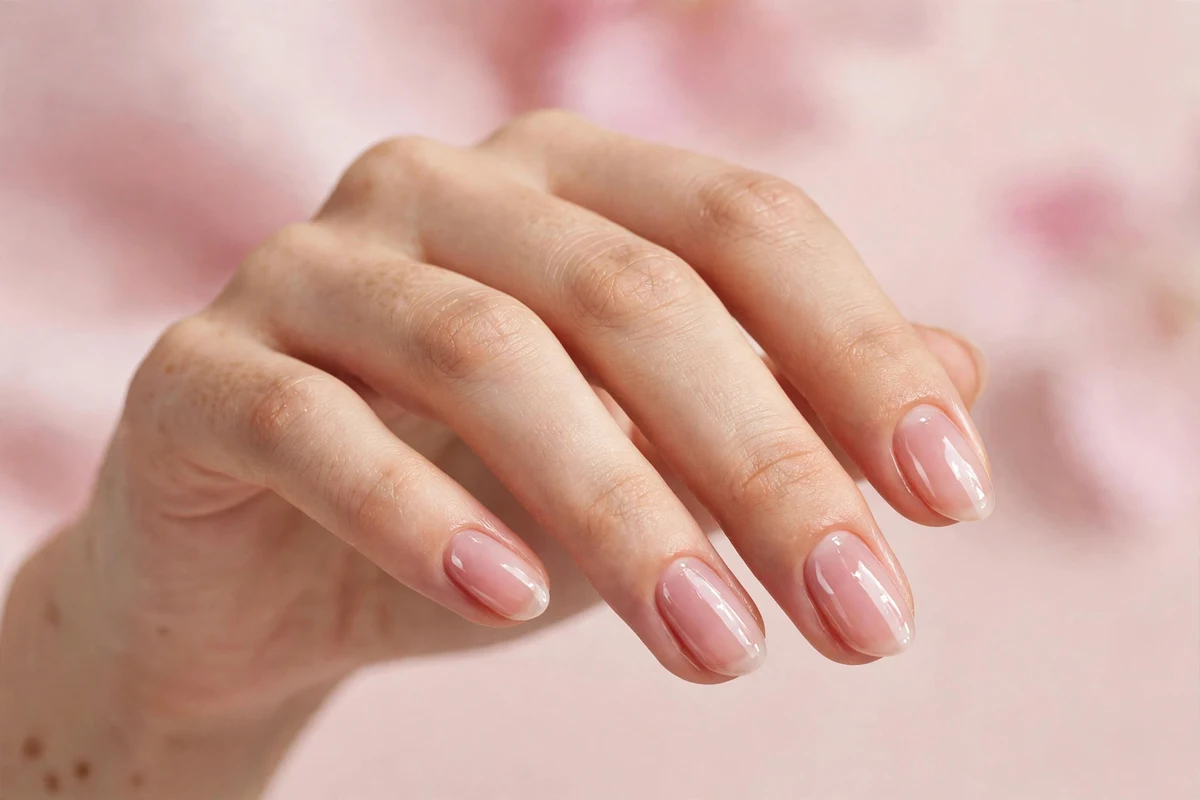
One to two thin coats is the whole recipe; more coats kill the translucency that makes the look work. This suits short almond or oval nails and every skin tone, since the sheerness adapts to the nail beneath. It is also the easiest gel look to refresh, because regrowth barely shows.
18. Soap Nails
The cleanest gel look of all: a nearly clear, glassy finish over perfectly prepped natural nails. Soap nails are about immaculate cuticles and shine rather than color.
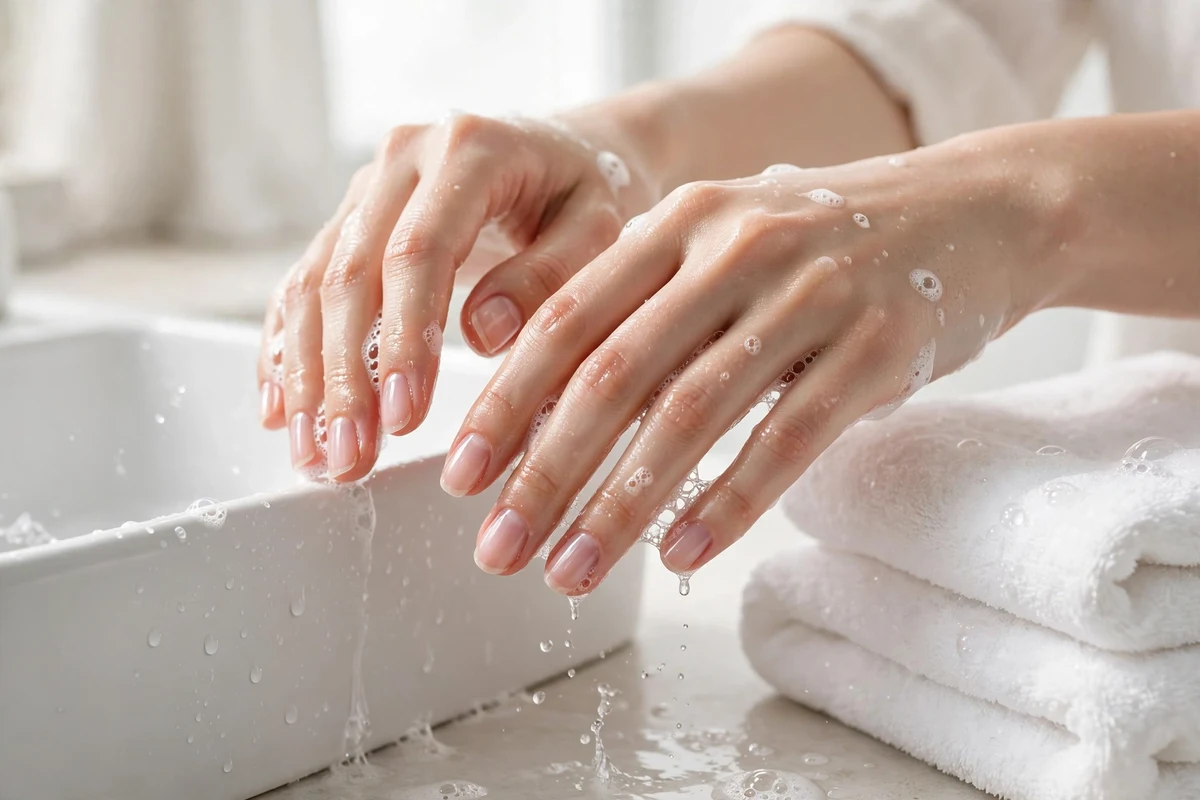
The secret is in the prep, not the product: neat cuticles, a smooth nail surface, and a clear builder or glossy top coat. This is the lowest-commitment gel service and a good first step if you have never worn enhancements. For the sheer-color family, see our jelly nails guide.
The Best of These Designs for Short Nails
Gel is arguably better on short nails than any other system, because the cured finish protects the free edge while your nails grow underneath. From the eighteen above, the short-nail standouts are the sheer nude gloss (1), milky white gloss (5), micro French (7), lip gloss nails (17), and soap nails (18): all sheer or clear, so regrowth stays invisible and the nail never looks stubby. Colored French tips (9) also work beautifully short, since the color sits only at the edge. Two rules make short gel sets look intentional rather than unfinished: keep the shape oval or squoval, which softens a short free edge, and favor gloss over matte, because shine is what signals “manicure” at this length.
Gel Nails vs Acrylic Nails: Which Should You Choose?
Gel nails give a thinner, glossier, more natural-feeling manicure; acrylic nails give maximum strength and dramatic length. Most readers choosing between the two should pick gel for natural-looking wear and acrylic for long sculpted sets.
| Gel nails | Acrylic nails | |
|---|---|---|
| Application | Layers cured under a UV/LED lamp | Liquid monomer and powder, air-dries |
| Look and feel | Thin, flexible, high-gloss, natural | Thicker, rigid, can look bulkier |
| Strength | Durable but less rigid | Very strong, best for extreme length |
| Smell during service | Virtually odorless | Strong chemical odor |
| Removal | Soak off in acetone (soft gel); filed off (hard gel) | Longer acetone soak, often with filing |
| Typical wear | 2 to 4 weeks depending on system | 3 to 4 weeks with fills |
| Best for | Natural look, glossy color, short to medium length | Long extensions, dramatic shapes, maximum durability |
Neither system is damage-free by default; most damage comes from improper application or removal, not from the product itself. If you want length plus gel’s glossy finish, ask about hard gel or polygel sculpting, which bridge the two worlds.
What About Dip Powder?
Dip powder is the third system readers ask about. Your nails are brushed with a bonding liquid and dipped into colored powder, building a hard coating without any lamp. Dip feels stronger and thicker than gel polish and lasts three to four weeks, but it cannot do gel’s fine art — no blooming, aura, or wet-blended marble — and thick applications can look bulky on short nails. Removal is a long acetone soak, similar to acrylic. Choose dip if you want durable solid color and a lamp-free service; choose gel if you want gloss, flexibility, nail art, or a natural-looking sheer finish. One salon note: because dip pots are shared, most reputable salons pour the powder over the nail instead of dipping your finger into the jar — it is fine to ask for that.
How Much Do Gel Nails Cost?
Gel prices depend on the system, because each one takes a different amount of product, time, and skill. These are typical US salon ranges for a full set in 2026; big-city salons sit at the top of each range, and nail art is almost always priced on top.
| Service | Typical salon price | Fill / maintenance |
|---|---|---|
| Gel polish manicure | $35 to $65 | Full removal and fresh set each visit |
| Builder gel / BIAB overlay | $50 to $80 | Fills every 3 to 4 weeks, $30 to $50 |
| Hard gel extensions | $60 to $100 | Fills every 3 to 4 weeks, $35 to $55 |
| Soft gel tips (Gel-X style) | $65 to $100 | Usually a fresh set rather than a fill |
| Polygel extensions | $55 to $90 | Fills every 3 weeks, $30 to $50 |
| Soak-off removal | $10 to $20 | Often free when a new set is applied |
Three things move the price most: length (long sculpted sets take more product and time), art (chrome, hand-painted designs, and 3D detail are usually charged per set or per nail), and removal of an old set that was applied elsewhere. When you book, say the system and the design in one sentence — “a builder gel overlay with a micro French” gets you an accurate quote, while “gel nails” alone can mean any row in this table. A home gel kit, for comparison, costs roughly $40 to $90 once and covers many sets, which is why the DIY route in our FAQ below appeals to regular wearers.
How to Make Gel Nails Last
Daily cuticle oil and gentle handling are what separate a two-week gel set from a four-week one. The gel itself is durable; lifting starts at the edges when the seal is stressed.
Apply cuticle oil every day to keep the gel flexible and the surrounding skin healthy. Wear gloves for dishes and cleaning, since prolonged hot water and harsh chemicals soften the gel and lift the edges. Never use your nails as tools to open cans or scrape labels; that leverage pops gel off at the free edge. And when a corner does lift, do not peel it: file the loose edge smooth and book a repair instead of pulling, because peeling takes layers of your natural nail with it.
Pick Your Gel Design by Occasion
If you have a date on the calendar, start here and then jump to the design itself.
| Occasion | Best picks from this guide | Why |
|---|---|---|
| Wedding (bride or guest) | Classic white French (6), babyboomer (8), sheer builder overlay (16) | Photographs softly, never dates in pictures, grows out invisibly through the honeymoon |
| Job interview or new job | Sheer nude gloss (1), soap nails (18), micro French (7) | Reads as groomed, not decorated; survives a full work week without attention |
| Vacation | Colored French tips (9), gel glitter gradient (13), chrome (12) | High payoff in photos; glitter and chrome hide minor tip wear from luggage and swimming |
| Party or evening event | Cherry red gloss (2), deep burgundy gloss (3), aura (14) | Dark gloss and glow effects are made for low light and flash photography |
| Growing out weak nails | Sheer builder overlay / BIAB (16), lip gloss nails (17) | Structure plus a forgiving sheer finish while length recovers |
How to Remove Gel Nails Without Damage
Soak-off gel (gel polish, builder gel, soft gel tips) comes off safely at home with pure acetone and patience. Hard gel and polygel should be removed by a nail tech with an e-file.
For soak-off gel: gently file the shiny top coat to break the seal, soak cotton pads in pure acetone, place one on each nail, and wrap with foil for 10 to 15 minutes. The gel should crumble and push off easily with a wooden cuticle stick. If any area resists, re-wrap for five more minutes rather than scraping. Never force it. After removal, wash your hands, apply cuticle oil generously, and give nails a few days of hydration before the next set.
A Quick Safety Note: Skin Contact, Allergies & TPO
Gel is safe for most people when it is applied and cured properly, and the one rule that matters most is simple: uncured gel should never sit on your skin. Gel formulas are built from acrylates, and repeated skin contact with the uncured product — flooded cuticles, gel cured while touching the skin — is the main cause of the itching, redness, and lifting nails that signal a gel allergy. A careful tech (or a careful home user) keeps every layer on the nail plate only and cures it fully. You may also see headlines about TPO, a curing ingredient the EU removed from cosmetics in September 2025 as a precaution; it remains permitted in the US, and salons can tell you if their gels are TPO-free if you prefer to ask. If your fingers ever itch, swell, or peel after a set, remove the product and let a dermatologist — not another manicure — be the next step.
Frequently Asked Questions
How long do gel nails last?
Gel polish typically lasts two to three weeks, while builder gel and hard gel last three to four weeks with proper care. Daily cuticle oil, gloves for wet chores, and avoiding picking at the edges all extend wear. When the gel starts lifting at the cuticle or free edge, it is time for a fill or a fresh set.
Do gel nails damage your natural nails?
Gel itself does not inherently ruin nails; most damage comes from over-filing during prep, peeling the gel off, or aggressive removal. A skilled tech who preps gently and removes properly leaves the natural nail intact. Give your nails hydration breaks with cuticle oil between sets if they feel dry or thin.
What is the difference between soft gel and hard gel?
Soft gel is flexible and porous, so it can be soaked off in acetone, and it suits natural nails and color services. Hard gel is rigid and non-porous, so it supports extensions and sculpted shapes but must be filed off by a professional. Builder gel (BIAB) sits in the soft gel family.
Can I remove gel nails at home?
Yes, for soak-off systems like gel polish, builder gel, and soft gel tips: file the top coat, wrap each nail in acetone-soaked cotton and foil for 10 to 15 minutes, then gently push the softened gel off. Do not remove hard gel or polygel at home; those need professional filing to avoid damaging the nail plate.
Is the UV lamp used for gel nails safe?
UV and LED curing lamps emit low levels of UV light for short periods, usually 30 to 60 seconds per layer. Many nail techs recommend applying sunscreen to your hands before the service or wearing UV-protective fingerless gloves that leave only the nails exposed. If you get gel manicures frequently, these simple precautions are worth the habit.
What is builder gel (BIAB)?
Builder gel, often sold as “builder in a bottle” (BIAB), is a thick, self-leveling soft gel applied over the natural nail to add strength and a perfect curved apex. It helps grow out natural nails without extensions and typically lasts three to four weeks. Most builder gels soak off in acetone.
Can you do gel nails at home?
Yes, with a home gel kit that includes a UV or LED lamp, gel base and top coats, and pure acetone for removal. The learning curve is in the prep: neat cuticles, a lightly buffed nail plate, and thin, even coats kept off the skin. Keep gel off your cuticles and skin during application, cure each layer fully, and never peel the finished manicure off.
Which nail shape works best with gel nails?
Gel suits every shape, but the system you choose guides the choice: soft gel polish looks best on short to medium almond, oval, or square nails, while hard gel and polygel support long coffin and stiletto shapes. See our nail shapes guide and our almond and coffin design galleries to pick your silhouette.
How much do gel nails cost at a salon?
A gel polish manicure typically costs $35 to $65. Builder gel and BIAB overlays run $50 to $80, hard gel or soft gel tip extensions $60 to $100, and fills $30 to $55. Nail art, chrome, and extra length add to the base price, so describe the system and design when you book to get an accurate quote.
What are cat-eye gel nails?
Cat-eye nails use a magnetic gel polish. Before curing, a magnet is held over the wet gel to pull metallic particles into a band of light that shifts as your hand moves. It costs about the same as regular gel color and shows best on deep shades like green, burgundy, and navy, or as a soft glow over sheer pink.
What is the difference between gel and dip powder nails?
Gel is painted on and cured under a lamp, giving a thinner, glossier, more flexible finish that supports detailed nail art. Dip powder is built by dipping the nail into colored powder with a bonding liquid — no lamp, a thicker and harder feel, and mostly solid color. Both last around three weeks; dip removes with a long acetone soak.
Do gel nails need fills, and when?
Builder gel, hard gel, and polygel sets are usually filled every three to four weeks, when the growth gap at the cuticle starts to catch and the apex has moved too far toward the tip. Gel polish is not filled — it is soaked off and applied fresh. Booking the fill before the set starts lifting prevents the leverage breaks that damage natural nails.
Is Shellac the same as gel nails?
Shellac is a brand of gel polish, not a separate system. Like other gel polishes it is painted on the natural nail and cured under a lamp, and it soaks off in acetone. When a salon menu lists “Shellac manicure,” it means a gel polish service using that brand’s products.


One Comment